


The Current Context: Rising Milk Prices
It's not just your imagination; the cost of milk and dairy products has been steadily climbing across India. Major dairy cooperatives like Amul and Mother Dairy have implemented price hikes multiple times in the past year, citing increased costs for cattle
feed, fodder, and transportation. These increases, sometimes as much as ₹2 to ₹4 per litre at a time, directly impact household budgets. With full cream milk crossing the ₹75 per litre mark in major cities, the expense of using dairy cream, malai, or even large quantities of milk to achieve that signature creaminess in dishes like korma or butter chicken is becoming a significant concern for many families. This economic pressure makes exploring dairy-free alternatives not just a choice for the lactose intolerant or vegan, but a smart, budget-friendly decision for everyone.
The All-Rounder: Cashew Paste
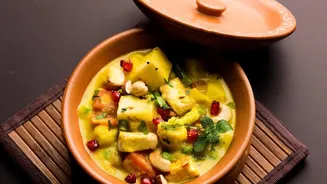
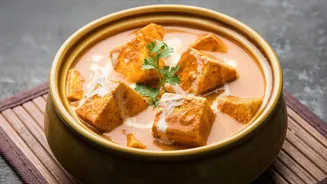
Cashew paste is the secret weapon behind many a rich, Mughlai-style curry. Its neutral flavour and high-fat content create a luxuriously thick and creamy texture without overpowering the spices. To prepare it, simply soak raw cashews (not roasted or salted) in warm water for at least 30 minutes, or up to a few hours. This softens them for a smoother blend. After soaking, drain the nuts and blend them with a small amount of fresh water until you achieve a silky, smooth paste, similar in consistency to thick yoghurt. This paste can be added to your curry base after the onions and tomatoes have been cooked down. It’s perfect for dishes like navratan korma, malai kofta, or any recipe where you desire richness without a distinct coconut flavour. A paste made from about 15-20 cashews is usually enough to lend creaminess to a curry serving four people.
Coastal Creaminess: Coconut Milk
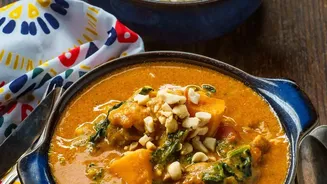
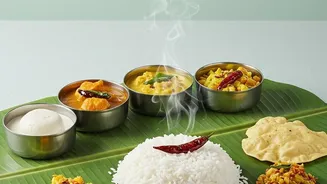
A staple in South Indian and coastal cuisines, coconut milk provides a distinct, subtly sweet creaminess that pairs beautifully with a variety of spices. From Kerala's fish curries to Goan specialities, it's a naturally dairy-free choice. When cooking with coconut milk, it's important to differentiate between thick and thin milk. Thin milk, which has a higher water content, can be added earlier in the cooking process to form the gravy's base. The thick milk, or coconut cream, should be stirred in towards the end of cooking on low heat to prevent it from splitting or curdling, which can happen at a rolling boil. Coconut milk works wonderfully in lentil dishes, vegetable stews, and chicken or seafood curries, lending its signature tropical aroma and silky finish.
The Subtle Thickener: Poppy Seeds (Khus Khus)
White poppy seeds, known as khus khus, are a traditional thickening agent, particularly in Bengali and other Eastern Indian cuisines. When ground into a paste, they provide a unique nutty flavour and a creamy consistency. The process involves soaking the seeds for at least an hour to soften them before grinding. Because of their small size, a good grinder is essential to get a smooth, non-gritty paste. Poppy seed paste is the star in dishes like 'aloo posto' (potatoes in poppy seed paste) and is often combined with other ingredients like melon seeds or cashews to create complex gravies for chicken and paneer dishes. It provides body and richness without the overt sweetness of some other nut pastes.
The Unsung Hero: Melon Seeds (Magaz)
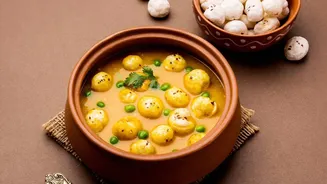
Often used in combination with cashews and poppy seeds, melon seeds (magaz) are another fantastic ingredient for creating thick, restaurant-style gravies. These are typically a mix of dried and hulled seeds from watermelon, muskmelon, and cucumber. Like other nuts and seeds, they should be soaked in warm water for about an hour before being ground into a fine paste. Magaz paste has a very neutral flavour profile, making it an excellent thickener that won't interfere with the primary spices of your dish. It helps to balance flavours and provides a smooth, rich foundation for kormas, pasandas, and other elaborate curries where a velvety texture is key.
Other Creative Options
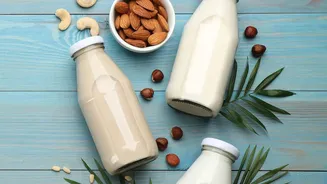
Beyond the primary pastes, several other ingredients can enhance creaminess. A paste of soaked and blanched almonds offers a similar richness to cashews. For a completely different approach, silken tofu can be blended into a smooth, protein-rich cream that mimics dairy with a neutral taste. In some preparations, a thick, well-cooked onion-tomato masala forms the creamy base itself, relying on the caramelisation and breakdown of the vegetables rather than added fats. Finally, a simple slurry of gram flour (besan) roasted in a little oil and then added to the curry can also act as a thickener, lending a nutty flavour and creamy feel, a technique often used in kadhi and other regional dishes.