
A New Era in Low Earth Orbit
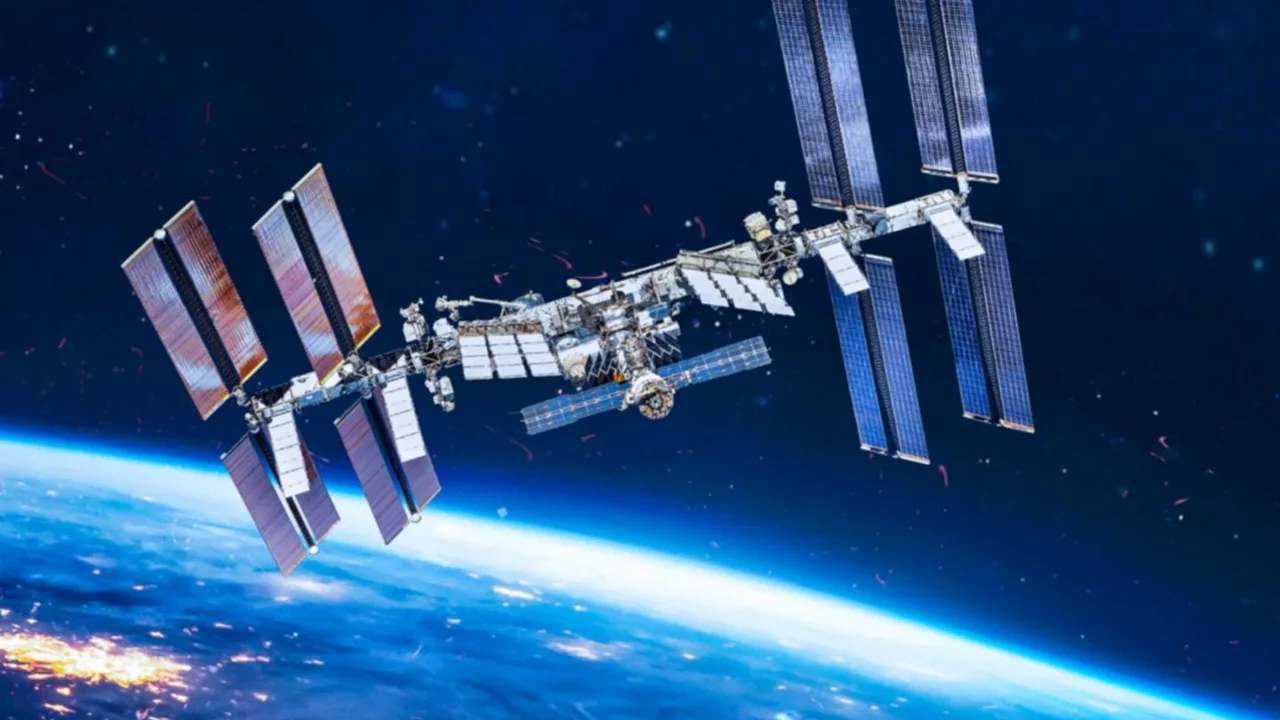
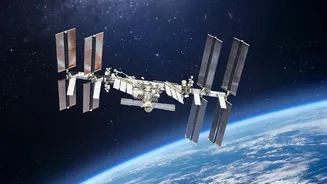
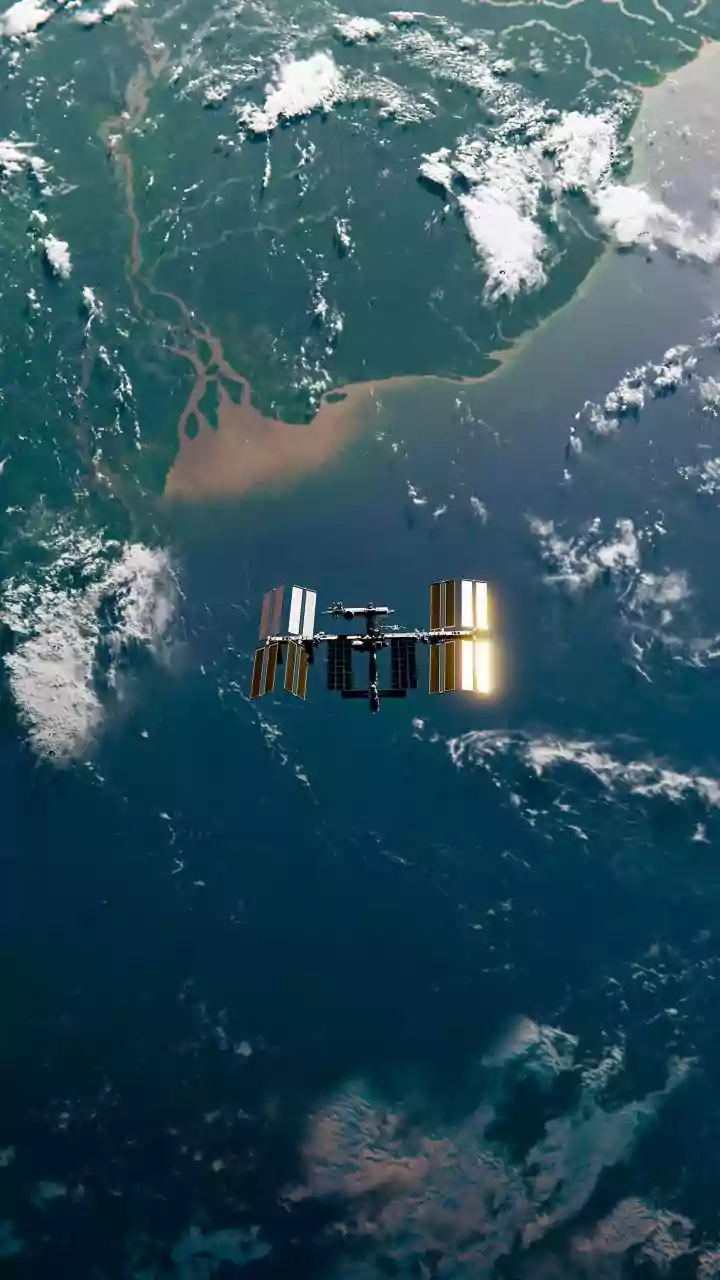
The planned deorbiting of the International Space Station around 2030 marks the end of an era, but it also signals the beginning of a major commercial opportunity. For years, NASA has been fostering the development of private space stations through its
Commercial Low Earth Orbit Destinations (CLD) program. The goal is to transition from a government-owned and operated model to a scenario where NASA becomes just one of many customers in a bustling orbital marketplace. This shift is expected to slash costs, spur innovation, and create a sustainable economy in low Earth orbit (LEO), where services like research, manufacturing, and even tourism can be purchased from commercial providers.
The Race to Build a Successor
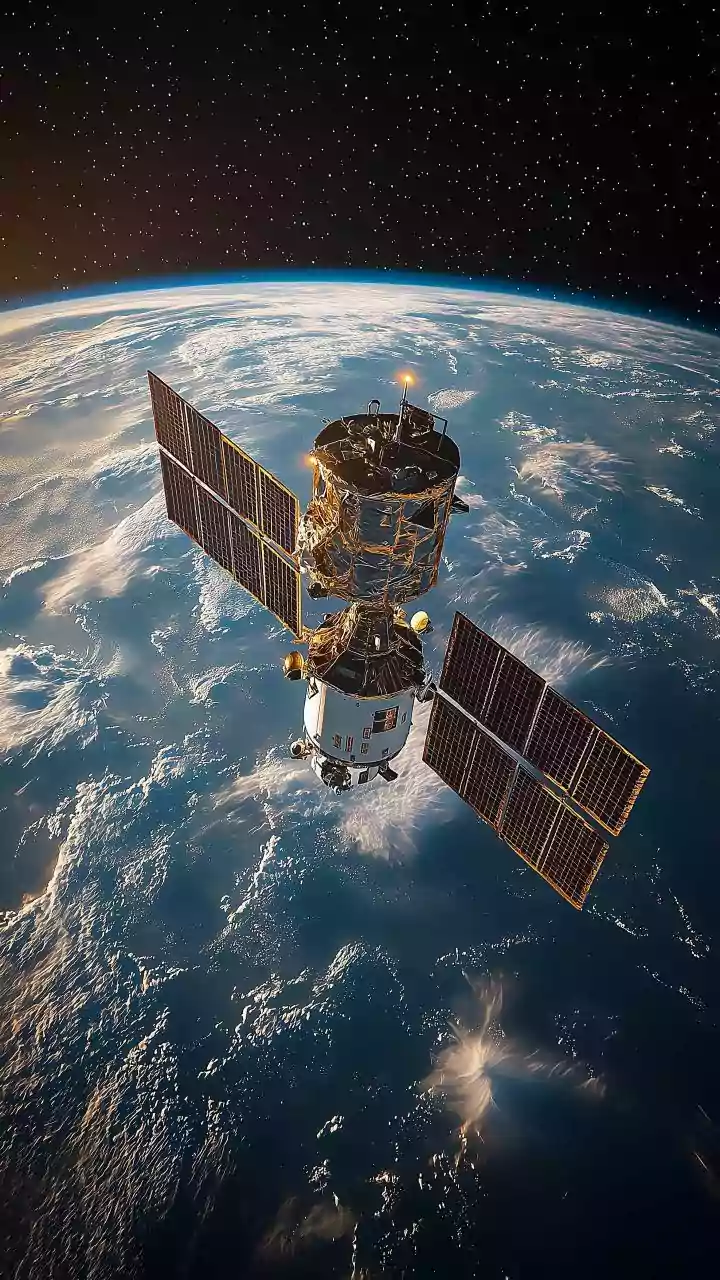
Several key players have emerged, each with a unique approach to building the next generation of orbital habitats. Axiom Space is taking a step-by-step approach, planning to first attach its commercial modules to the ISS starting as early as 2026. Once its multi-module station is complete, it will detach and fly freely. Axiom has already flown several private astronaut missions to the ISS, giving it valuable operational experience. Another major contender is Vast, which aims to launch Haven-1, a standalone single-module station, in early 2027. If successful, it could become the world's first commercial space station. Other significant projects include Starlab, from Voyager Space and Airbus, and Orbital Reef, a joint concept from Blue Origin and Sierra Space envisioned as a "mixed-use business park" in space.
More Than Just a Room with a View
These next-generation modules are far more than just orbiting hotels; they are sophisticated laboratories designed for cutting-edge research and development. The primary driver for many future clients will be access to microgravity, an environment that allows for breakthroughs in fields like medicine, materials science, and biotechnology that are impossible on Earth. Companies are designing these habitats to be versatile platforms for pharmaceutical development, advanced materials manufacturing, and technology demonstrations. For example, Axiom's station will include a dedicated research and manufacturing facility, while Starlab is being developed as a large habitat and lab module. The goal is to make in-space research and production accessible to a wider range of customers, including universities, private companies, and international space agencies.
Forging an Orbital Economy
The ultimate vision extends beyond replacing the ISS. It's about creating a self-sustaining economy hundreds of kilometers above Earth. Commercial operators believe that falling launch costs, driven by reusable rockets, will make space accessible to a broader market than ever before. This could unlock new business models for in-space manufacturing, where unique materials or pharmaceuticals can be produced in microgravity. It also opens the door to space tourism and even media production, with some station concepts including dedicated entertainment modules. This burgeoning LEO economy depends on a full ecosystem, including not just the habitats themselves but also reliable crew and cargo transportation, like Sierra Space's Dream Chaser spaceplane. The presence of multiple competing platforms is expected to drive down costs and expand the range of available services.
Challenges on the Final Frontier
The path to a commercialized LEO is not without obstacles. Securing the massive funding required for development, construction, and launch is a constant challenge, though companies like Axiom have recently announced significant financing rounds. The technical hurdles of building and operating a crewed orbital platform are immense, demanding the highest standards of safety and reliability. There has also been some uncertainty in NASA's strategy, with recent policy shifts causing concern among industry partners before the agency reaffirmed its commitment to supporting free-flying commercial stations. A critical challenge is avoiding a 'space station gap'—a period between the ISS's retirement and the commissioning of new commercial stations, which could cede leadership in LEO to other nations with operational outposts, such as China's Tiangong station.