





The Mountain Office is Now Open
For years, Kasol in Himachal Pradesh has been a haven for backpackers and trekkers, drawn to the stunning Parvati Valley. But a new type of traveller is now joining them: the digital nomad. The global shift to remote work has fuelled a desire for 'workations'—a
blend of work and vacation that breaks the monotony of the home office. Kasol, with its vibrant cafe culture and serene landscape, has emerged as a leading destination for this trend. What was once a connectivity dead zone is now a viable hub for professionals who need to stay online. Hostels and guesthouses have recognised this demand and invested in the one thing that was missing: reliable, high-speed internet.
From Patchy Data to Fibre Optic
The primary hurdle for any mountain workation has always been connectivity. Just a few years ago, working from Kasol meant struggling with weak mobile signals. Today, the situation has dramatically improved. Many establishments now provide dedicated fibre broadband from providers like JioFiber and Airtel Xstream, offering stable speeds that can handle video calls, large file transfers, and a full day of remote work. Some hostels and cafes report speeds between 25 and 100 Mbps. While mobile networks like Jio and Airtel also offer decent 4G and 5G coverage in the main town, the reliability of a fixed broadband line has been a game-changer. This investment in infrastructure shows a clear commitment to catering to the needs of the modern remote worker.
More Than Just a Wi-Fi Password
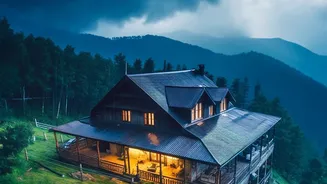
Leading the charge are a number of backpacker hostels that have evolved into work-friendly ecosystems. Chains like The Hosteller and Zostel, along with independent outfits like AmigosIndia and YellowJackets Hostel, now explicitly market themselves to digital nomads. Beyond just offering free Wi-Fi, these places provide a suite of essential amenities. Common areas have been repurposed into comfortable workspaces, some with dedicated desks and plenty of charging points. Crucially, many have installed power backup systems like inverters or generators to combat the frequent electricity cuts common in the mountains. This combination of fast internet, reliable power, and a built-in community of like-minded people makes these hostels ideal for productive and inspiring long-term stays.
The Ultimate Work-Life Balance
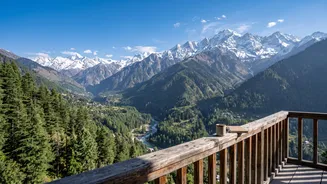
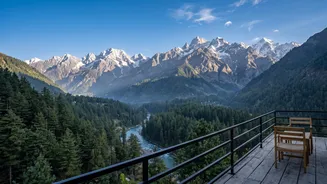
The appeal of Kasol extends far beyond the workstation. After logging off for the day, a world of adventure awaits. The town serves as a launchpad for numerous treks to nearby villages like Chalal, Tosh, and Grahan. You can spend your evenings exploring the hippie-chic cafes that line the Parvati River, sampling Israeli and local Himachali cuisine. The environment itself encourages a healthier work-life balance. Instead of a post-work commute, you can take a walk through pine forests or along the gushing river. This unique blend of productivity and rejuvenation is what sets a Kasol workation apart, offering a chance to escape the urban grind without falling behind professionally.
A Practical Checklist Before You Go
While Kasol's infrastructure has improved, planning is still key for a successful workation. Before booking a long-term stay, always contact the hostel or homestay directly to confirm the type of internet they have—ask specifically about fibre broadband versus a mobile hotspot. It's also wise to ask for a recent speed test result and inquire about their power backup situation. For mobile connectivity, carrying both Jio and Airtel SIM cards is recommended to ensure you're covered in most areas. Pack layers of clothing, as the weather can change quickly, and carry enough cash, as ATMs can be unreliable. By preparing for these mountain realities, you can ensure your workation is both productive and peaceful.