






A Landscape Reborn in Green
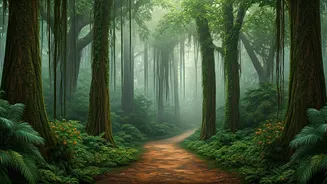
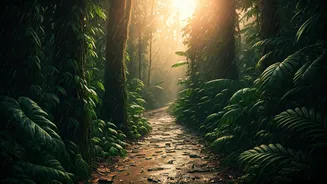
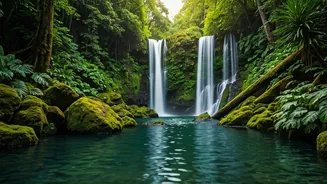
While summer safaris are defined by dust and dry earth, the monsoon season, from June to September, washes the landscape clean. The forests of Bandipur and Nagarahole, part of the Nilgiri Biosphere Reserve, shed their parched look for a vibrant, near-fluorescent
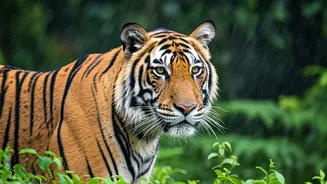
green. The air becomes crisp and cool, carrying the scent of wet soil and fresh leaves. Misty mornings and dramatic cloud-filled skies create a breathtaking backdrop for photography, turning every frame into a masterpiece. This transformation is not just visual; it’s a complete sensory revival, where the sounds of the jungle feel richer and the atmosphere is thick with life. The rains fill the parks' many lakes and streams, ensuring water sources are plentiful and eliminating the threat of drought that can affect the region in drier months.
Wildlife Amidst the Downpour
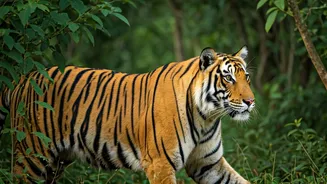
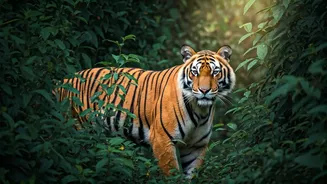
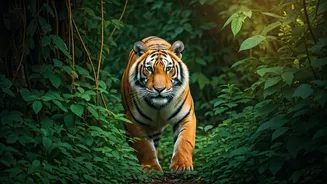
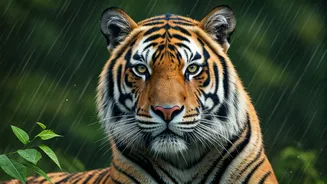
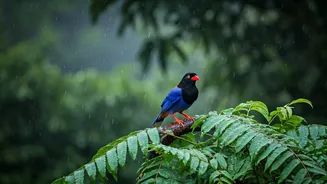
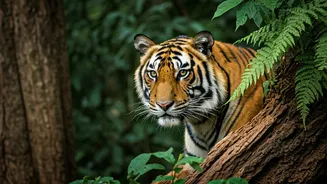
Many believe wildlife sightings become difficult when the foliage is dense. While tracking predators like tigers and leopards can be more challenging, the monsoon brings its own unique rewards. Herbivores such as spotted deer and sambar stand out vividly against the green canvas. Elephants, in particular, seem to revel in the rain, and sightings of large herds enjoying the cool weather are common. The season is also a paradise for birdwatchers, with over 200 species, including hornbills, kingfishers, and woodpeckers, becoming more active. Though big cat sightings might be less frequent than in summer when animals gather at scarce waterholes, the monsoon offers a more holistic view of the ecosystem, from amphibians and reptiles to the diverse birdlife thriving in the wet conditions.
Nagarahole's Kabini Backwaters
The Kabini reservoir in Nagarahole National Park is arguably the star of the monsoon show. As water levels rise, the backwaters swell, attracting massive herds of elephants to the banks. A boat safari on the Kabini River during this time is an unforgettable experience. Gliding on the water provides a unique vantage point to witness wildlife, from crocodiles sunning themselves on the banks to herds of deer grazing peacefully. Unlike many parks that close core areas, Nagarahole remains open, and the river journey offers a serene and immersive way to experience its flourishing ecosystem without the jostling of jeeps.
The Undulating Hills of Bandipur
Bandipur, with its rolling hills and deciduous forests, offers a different but equally stunning monsoon spectacle. The rains bring cascading waterfalls like the Moyar Gorge and Gundre to life. The safari routes, though potentially slippery, offer drives through a landscape that feels freshly painted. While jeep safaris are the primary mode of exploration, the experience is enhanced by the sheer beauty of the surroundings. It's a time of plenty for the park's inhabitants; fresh grasses and sprouting bamboo shoots provide abundant food for herbivores, which in turn supports the park's carnivore population. The entire forest feels vibrant and full of energy.
Planning Your Monsoon Safari
A monsoon trip requires a bit more planning. The parks remain open, and according to recent updates, safari zones are fully operational. However, it's crucial to book your safari permits online well in advance, as demand, especially for weekend slots in July, can be high. Be prepared for the weather: pack waterproof jackets, quick-drying clothes, and high-top waterproof boots. Leeches can be active on the forest floor, so carrying salt or a vinegar spray for nature walks is a wise precaution. Also, remember the night traffic ban on National Highway 766, which passes through Bandipur, from 9:00 PM to 6:00 AM, and plan your travel from cities like Bengaluru accordingly.