




The Essence of Sattvik Food
In Ayurvedic and Yogic traditions, foods are classified by their energetic quality, or 'guna'. Sattva represents purity, harmony, and clarity. A Sattvik diet, therefore, consists of fresh, natural, and lightly prepared foods that are believed to increase
energy, calmness, and mental focus. It stands in contrast to 'Rajasic' foods (like onions, garlic, and excessive spice) which are stimulating, and 'Tamasic' foods (like stale or heavily processed items) which are believed to cause dullness. During festivals and fasts (vrat), the goal is to purify the body and calm the mind for spiritual reflection, making the Sattvik approach a natural fit.
The Fasting Connection: A Gentle Cleanse
Fasting in the Indian tradition is not about starvation but about giving the digestive system a rest and detoxifying the body. This is especially important during seasonal changes, such as the period around Sharad Navratri, when immunity can be lower. Sattvik foods are inherently easy to digest and provide sustained energy without over-burdening the system. The diet helps keep the body light and the mind clear, aligning with the spiritual purpose of the fast. By avoiding heavy, stimulating, or processed ingredients, the body can focus its energy on rejuvenation and repair.
The Holy Trinity: Rock Salt, Ghee, and Spices
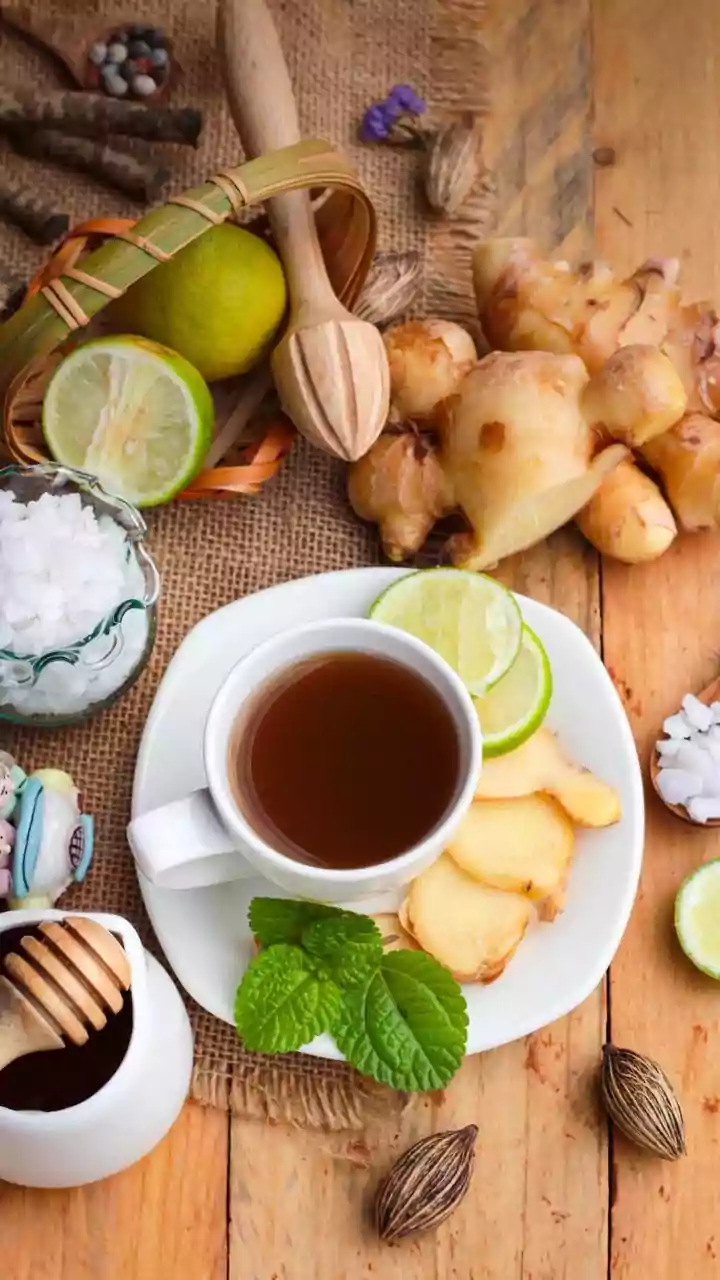
The choice of ingredients in Sattvik cooking is deliberate. Rock salt, or 'sendha namak', is used instead of regular table salt because it is the purest, most unprocessed form of salt available. It is free from chemical processing and additives, aligning with the diet's core principle of purity. It's also considered cooling and helps maintain electrolyte balance during a fast. Ghee, or clarified butter, is revered as a quintessential Sattvik food. It's believed to aid digestion, nourish the body's tissues, and enhance mental clarity without aggravating the system. It also has a high smoke point, making it a stable fat for cooking. Spices are used sparingly. Only those considered Sattvik are included, such as cumin (jeera), black pepper (kali mirch), green cardamom (elaichi), and cinnamon (dalchini). These spices add gentle flavour and often have digestive benefits, while heating spices like red chilli and garam masala are avoided.
Building a Sattvik Festive Plate
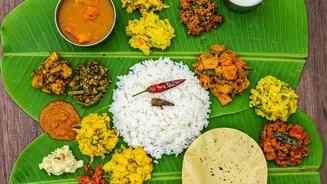
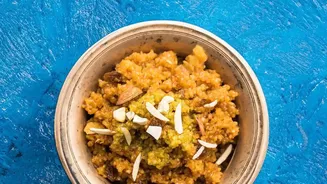
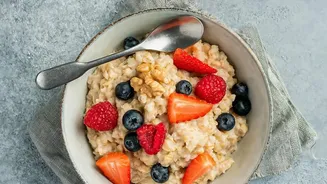
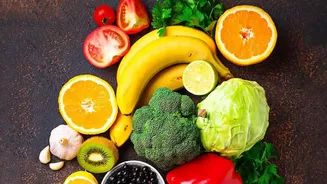
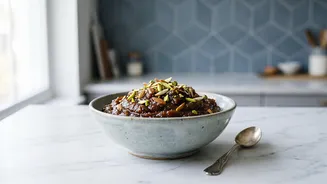
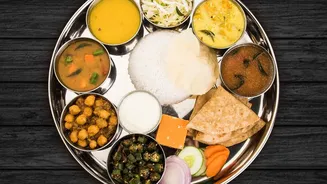
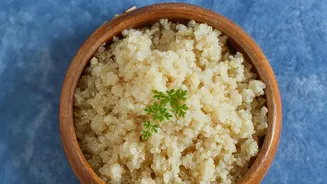
So what does a Sattvik meal actually look like? It's far from restrictive. Fasting-friendly flours like buckwheat (kuttu ka atta), water chestnut (singhare ka atta), and amaranth (rajgira) are used to make puris and parathas. A classic fasting staple is Sabudana Khichdi, made from tapioca pearls, potatoes, and peanuts, and seasoned simply with cumin, green chillies, and rock salt. Other popular dishes include Aloo Tamatar ki Sabzi (a simple potato and tomato curry), Samak Rice Pulao (made with barnyard millet), and creamy Makhana Kheer for dessert. Fruits, nuts, and dairy products like paneer and yoghurt are also central to the diet, providing natural sugars, protein, and energy.
More Than Just a Set of Rules
Ultimately, Sattvik cooking is a philosophy that extends beyond the kitchen. It’s a mindful approach to eating that encourages a connection with food and an appreciation for natural, seasonal ingredients. It’s about creating meals that are not only delicious but also nourishing for the body, mind, and spirit. The simplicity of the ingredients and cooking methods is intentional, designed to foster a sense of calm and balance. While it is intrinsically linked to festive fasting, the principles of Sattvik food—fresh, light, and pure—offer a wholesome way of eating that can be embraced at any time to promote overall well-being.