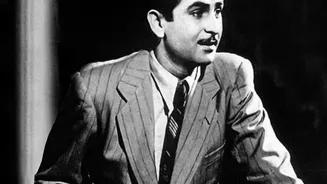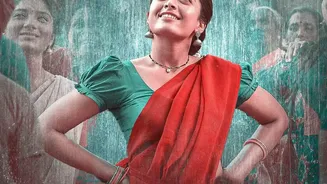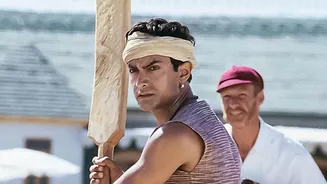





The Age of On-Demand Nostalgia
For decades, discovering older Bollywood films depended on chance. You either caught them during a Sunday movie slot on Doordarshan, found a VCR tape, or relied on your family's collection. The experience was communal but limited by fixed schedules and
physical media. Today’s youth, particularly Gen Z and millennials, have grown up in an entirely different ecosystem. Platforms like Netflix, Amazon Prime Video, Disney+ Hotstar, and Zee5 offer vast libraries of content accessible anytime, anywhere. This shift from scheduled programming to on-demand viewing has fundamentally altered the discovery process. It’s no longer about waiting for a movie to be shown; it's about actively searching, or more often, being served a classic film by an algorithm.
The Algorithm as Film Historian
Streaming services have become unintentional film archivists and curators for a new generation. Their recommendation engines don't just suggest new releases; they connect viewers to older titles based on their current tastes. If you enjoy a modern romantic comedy, the algorithm might suggest classics like 'Chupke Chupke' (1975) or 'Kabhi Kabhie' (1976). This data-driven approach introduces films that younger viewers might otherwise never encounter. By analyzing viewing patterns, platforms can identify themes, actors, or directors a user likes and surface relevant classics, effectively creating a personalized film history lesson. This curated discovery makes the vast history of Bollywood feel accessible rather than overwhelming.
From Viral Reels to Full Features
Perhaps the most powerful driver of this trend is social media. Platforms like Instagram Reels and YouTube Shorts function as a promotional engine for classic Bollywood. A short, catchy clip from a film, a memorable dialogue, or a timeless song can go viral, sparking widespread curiosity. Users see an aesthetic they like or hear a song that resonates and immediately want to know its origin. This digital breadcrumb trail often leads them directly to an OTT platform to watch the full movie. Old songs are finding new life in this ecosystem, with their inherent nostalgia boosting engagement and prompting algorithms to push them to wider audiences, creating a feedback loop where a forgotten track can become a modern hit.
A New Lens on Old Stories
Younger audiences aren't just watching these films; they are critically engaging with them. Without the filter of personal nostalgia, they are analyzing and discussing decades-old movies through a contemporary lens. They appreciate the simpler storytelling and timeless music of films like 'Pyaasa' or 'Rangeela', but also aren't afraid to call out problematic themes or outdated social norms that were once accepted. This has led to a richer, more nuanced appreciation of Bollywood's past. The films are not just relics; they are cultural artifacts being re-examined and re-contextualized for a new era, often through memes, video essays, and social media threads.
More Access, But Still Curated
While access has broadened dramatically, it's important to remember that these libraries are not exhaustive. The availability of classic films is determined by licensing deals between production houses and streaming platforms. While many iconic movies like 'Mughal-e-Azam' and 'Sholay' are readily available, many others are not. The shift to digital has also seen the value of satellite TV rights for older films decline, as platforms prioritize direct-to-digital deals. This means the 'canon' of classic cinema being presented to young audiences is still one that is heavily curated by commercial interests, shaping what parts of Bollywood’s legacy are remembered and what parts risk being forgotten.