




From Red Tape to the Open Road
For decades, international travel was synonymous with paperwork. The visa application process—often involving long forms, embassy visits, and anxious waits—was a significant barrier for spontaneous trips. Visa-free travel agreements change this dynamic
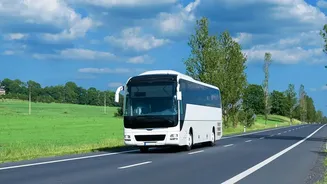
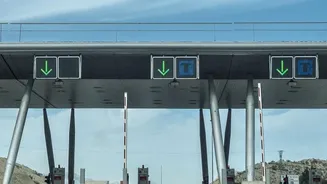
entirely. These are bilateral or multilateral pacts between countries that allow their citizens to enter without a pre-approved visa for a specified period. This shift replaces bureaucratic hurdles with a simple passport stamp at the border, transforming the very idea of a holiday. Suddenly, a weekend trip to a neighbouring country becomes as feasible as a domestic one, encouraging a more fluid and flexible approach to travel. The focus moves from administrative processes to the journey itself.
India's Friendly Frontiers: Nepal and Bhutan
India enjoys uniquely open relationships with two of its Himalayan neighbours, Nepal and Bhutan, making them prime examples of seamless overland travel. The India-Nepal border is one of the most open in the world, a testament to the 1950 Indo-Nepal Treaty of Peace and Friendship. Indian citizens can enter Nepal by road without a visa or even a passport, often using just a valid photo ID like a Voter ID or Aadhaar card. This has fostered deep cultural and economic ties, with major crossings like Sunauli and Raxaul serving as bustling conduits for tourists, pilgrims, and traders alike. Similarly, travel to Bhutan is visa-free for Indians. While an entry permit is required—obtainable at the border crossing in Phuentsholing with a valid passport or Voter ID—the process is straightforward, opening the door to the serene kingdom. These policies have made cross-border road trips a reality for countless adventurers seeking the mountains and monasteries of these friendly nations.
More Than Just a Holiday
The benefits of visa-free arrangements extend far beyond simplifying tourism. They act as powerful catalysts for economic growth and cultural exchange. When travellers can cross borders with ease, they spend money in local communities, boosting small businesses, hotels, and restaurants on both sides. This is particularly impactful in border towns that transform into vibrant hubs of cross-cultural commerce. Furthermore, these policies foster invaluable people-to-people connections. When individuals can interact without the formal barrier of a visa, it encourages a deeper understanding and appreciation of neighbouring cultures, strengthening diplomatic ties from the ground up. This organic diplomacy, built on shared experiences and friendships, is often more enduring than formal political agreements.
The Next Frontier: The Asian Highway Network
The success of open borders with Nepal and Bhutan has paved the way for more ambitious projects. The most anticipated is the India-Myanmar-Thailand (IMT) Trilateral Highway. This nearly 1,400-kilometre corridor aims to connect Moreh in India to Mae Sot in Thailand, creating a seamless road link between South and Southeast Asia. Recent diplomatic talks have focused on expediting its completion, signaling a strong political will to overcome previous delays. While the full route is still under development, its potential is immense. Once operational for tourists, it could usher in a new era of overland exploration, allowing travellers to drive from the Ganges to the Mekong, experiencing the diverse landscapes and cultures of the region. This highway is a cornerstone of broader regional connectivity plans, including those within the BIMSTEC framework, which aim to simplify travel and trade among member nations.
Navigating the Journey
While "visa-free" suggests complete freedom, it's important for travellers to understand that it doesn't mean rule-free. Some countries, like Bhutan, may require an entry permit and charge a Sustainable Development Fee. When driving a private vehicle, travellers may need to obtain special permits or a 'carnet de passages'. It's also crucial to carry valid identification; while a passport is always the safest bet, specific documents like a Voter ID are accepted at certain borders. Additionally, travellers should be aware of other regulations, such as restrictions on carrying certain currency denominations, as is the case in Nepal. Staying informed about these practical details ensures that a seamless trip remains genuinely stress-free, allowing you to fully embrace the adventure of the open road.