








Understanding the Threat
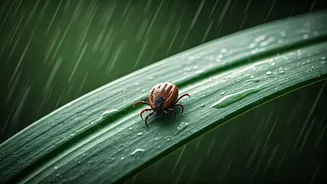
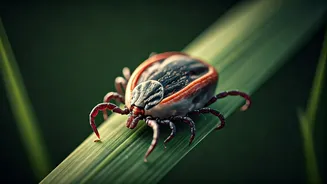
Ticks thrive in India's warm and humid climate, with seasons like spring, summer, and monsoon seeing a major spike in their population. [18, 23, 24] These parasites latch onto pets, feed on their blood, and can transmit a host of dangerous diseases, often
referred to as 'tick fever'. The most common tick-borne illnesses in India include Babesiosis, Ehrlichiosis, Hepatozoonosis, and Anaplasmosis. [10, 11, 12] These conditions can cause severe symptoms like high fever, anaemia, lethargy, loss of appetite, and in serious cases, organ failure or even death. [3, 16] Since many symptoms are general and can take up to two weeks to appear, early prevention is crucial. [5]
Your Prevention Toolkit
The best defence is a good offence. Consulting your veterinarian is the most important first step to determine the safest and most effective prevention strategy for your pet. [17] Options are plentiful and include: * **Topical Treatments:** Monthly spot-on liquids like Frontline Plus or Advantix are applied to the skin and offer broad protection. [8, 21] * **Oral Medications:** Chewable tablets such as Bravecto or Simparica are highly effective, killing ticks after they bite. These are convenient but generally only available for dogs. [18, 21] * **Tick Collars:** Medicated collars release active ingredients over several months, offering long-lasting protection, which is especially useful for pets that spend a lot of time outdoors. [9, 21] * **Shampoos and Sprays:** These products are useful for killing existing ticks but offer more temporary protection. [21] Never use a product meant for dogs on a cat, as some ingredients can be highly toxic to felines. [2] Some pet parents also use natural repellents like diluted neem oil or apple cider vinegar sprays, but these are generally considered less potent than veterinary-approved products. [19]
The Daily Tick Check
Make a daily tick check part of your routine, especially after your pet has been outdoors. [17, 18] Ticks prefer warm, hidden areas. Run your hands carefully over your pet’s entire body, feeling for small bumps. Pay close attention to these key spots: * In and around the ears * Under the collar * Between the toes and under paw pads * Around the tail and groin area * Under the front and back legs [17, 18]
How to Remove a Tick Safely
If you find a tick, remove it promptly and carefully. Prompt removal is key, as disease transmission can take hours. [8] Follow these steps: 1. **Use the Right Tool:** Use fine-tipped tweezers or a specialised tick removal tool. Avoid using your fingers. [6, 9] 2. **Grasp Firmly:** Get the tweezers as close to your pet's skin as possible and grasp the tick's head firmly. [2, 8] 3. **Pull Steadily:** Pull straight upward with steady, even pressure. Do not twist or jerk, as this can cause the mouthparts to break off and remain in the skin. [6, 8] Do not squeeze the tick's body, as this can inject disease-causing pathogens into the bite wound. [2] 4. **Clean Up:** After removal, clean the bite area with an antiseptic or soap and water. [8] Dispose of the tick by flushing it or placing it in a sealed container with rubbing alcohol. [2]
After the Bite: When to See a Vet
After removing a tick, monitor your pet closely for several weeks. [17] If you notice any of the following symptoms, contact your veterinarian immediately: * Fever (up to 105°F or 40.5°C) [4, 5] * Lethargy or loss of energy [7] * Loss of appetite [3, 7] * Swollen lymph nodes or joints [3, 4] * Vomiting or diarrhoea [3, 4] * Pale gums or unexplained bruising [3, 7] * Changes in behaviour or difficulty balancing [4] Early diagnosis and treatment, often with antibiotics, are critical for a good prognosis. [4, 14] For dogs with advanced cases, the risk of serious complications increases, so it's always best to err on the side of caution and seek professional advice. [5, 14]