





Why Our Cities Become Ovens
This phenomenon is known as the Urban Heat Island (UHI) effect, where cities are significantly hotter than surrounding rural areas. The primary culprit is the vast expanse of dark surfaces like asphalt roads and conventional roofs. These materials absorb
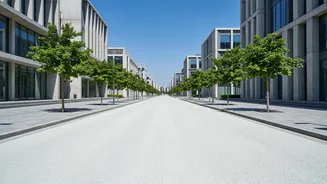
anywhere from 80% to 95% of incoming sunlight, storing it as heat. This trapped energy warms the pavement to extreme temperatures—sometimes over 60°C—and then radiates back into the air, keeping the city hot long after the sun has set. In densely populated Indian cities like Mumbai, rapid urbanisation has replaced natural, cool landscapes with heat-trapping concrete and asphalt, making the UHI effect a major concern for public health and energy consumption.
The First Step: Reflective Pavements
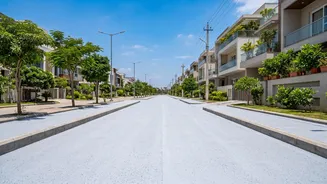
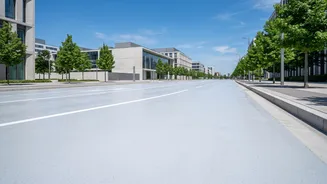
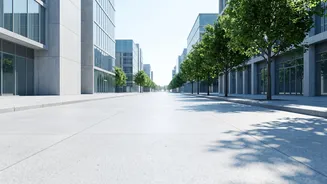
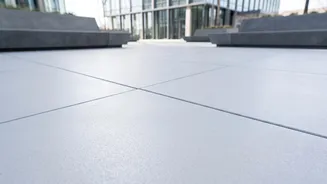
The most straightforward solution is to make pavements less absorbent. This is the principle behind 'cool pavements'. By using lighter-coloured materials, such as concrete with a higher solar reflectance or adding reflective aggregates to the mix, a pavement's ability to bounce sunlight back into the atmosphere is increased. Even applying a simple reflective coating can make a significant difference. Studies have shown that these reflective surfaces can stay 5-8°C cooler than traditional black asphalt, which in turn helps lower the ambient air temperature, reduce the energy needed for air conditioning in nearby buildings, and even slow the formation of smog.
The Next Frontier: Bio-Inspired Innovation
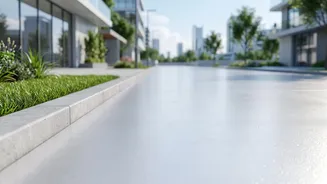
Now, innovation is taking this concept a step further with advanced and bio-inspired coatings. While the term 'bio-engineered' is still emerging, it points toward a new class of materials that mimics nature's cooling mechanisms. One established approach is evaporative cooling, used in permeable pavements that allow water to filter through and then evaporate, carrying heat away from the surface, much like how sweating cools the skin. Another frontier involves incorporating materials that are inspired by biological processes to enhance reflectivity and durability. These next-generation coatings often use specialised polymer-modified cement overlays with proprietary infrared-reflective pigments, creating a micro-surface that is not only highly reflective but also extremely tough.
More Than Just a Cool Idea
The benefits of advanced cool pavements extend far beyond temperature reduction. By reflecting more light, these surfaces can improve nighttime visibility for drivers and pedestrians, potentially reducing the need for extensive street lighting and saving energy. Cooler road surfaces also lead to longer pavement life. High temperatures accelerate the aging of asphalt, leading to rutting and cracking. By keeping the pavement cooler, these coatings can enhance durability, meaning fewer repairs and lower maintenance costs over the long term. This durability is key for high-traffic urban roads, where solutions need to withstand constant wear and tear.
Challenges on the Road Ahead
Despite the promise, there are hurdles to widespread adoption. One major concern is glare; a highly reflective surface could potentially dazzle drivers on a sunny day. However, researchers are working to find a 'goldilocks' level of reflectivity that provides cooling without creating unsafe conditions. Another issue is that in some dense urban canyons, reflecting sunlight might inadvertently heat up the walls of adjacent buildings. Cost, durability in different climates, and public acceptance are also significant factors. For India, where many cities face extreme heat, authorities are already exploring measures like cool roofs and green infrastructure as part of their Heat Action Plans. Integrating advanced pavement solutions would be a logical next step, but it requires careful planning and pilot projects to assess local effectiveness and cost-benefit.