


The Science of Saving Space
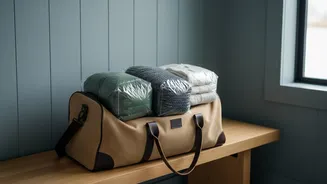
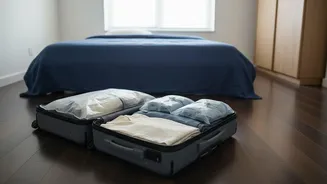
Vacuum compression bags are essentially heavy-duty plastic bags with a one-way valve and a zip-top closure. The magic lies in removing the air trapped between the fibres of your clothes. By sucking out this air, you can shrink soft, bulky items by up
to 80% of their original volume. This doesn't reduce the weight, but it dramatically cuts down on the space your clothes occupy. Imagine fitting three bulky sweaters into the space that one would normally take. That's the core benefit: creating more room in your luggage for other essentials.
Choosing the Right Compression Bag
Not all compression bags are created equal, especially for travel. There are two main types to consider. First are the manual roll-up bags; you place your clothes inside, seal the bag, and then tightly roll it to force air out through one-way valves at the bottom. These require no extra tools and are perfect for trips where you might not have access to power. The second type uses a valve designed for a pump—either a household vacuum cleaner or, more conveniently for travel, a small, portable electric pump. While manual bags save around 30-40% of space, bags used with a mechanical pump can achieve much higher compression, saving up to 70-80% of an item's volume.
Your Step-by-Step Packing Guide
To get the most out of your bags, a little technique goes a long way. Start by neatly folding or rolling your clothes. Try to fold items to the approximate dimensions of your suitcase to create a flat, stackable shape. Place the stack inside the bag, being careful not to overfill it; leaving some space near the zip closure is crucial for getting a proper seal. Press the double-zip seal firmly from one end to the other, using the small plastic slider that often comes with the bags. If using a roll-up bag, begin rolling from the zipper end towards the valve end. If using a pump, attach it to the valve and remove the air until the bag is firm and flat.
What to Pack and What to Leave Out
Vacuum bags work best on soft, bulky items that contain a lot of air. Think puffer jackets, heavy sweaters, fleece, and even towels or blankets. They are less effective for dense fabrics like jeans, which don't have much air to remove. You should avoid packing delicate natural fibres like silk, leather, or certain types of wool for long periods, as the intense compression can crush the fibres and cause irreversible damage or creasing. The same goes for structured garments like blazers or items with beading or embroidery, which can be damaged by the pressure.
The Critical Space vs. Weight Paradox
Here is the most important rule of vacuum packing for flights: compression bags reduce volume, not weight. It can be incredibly tempting to use that newfound space to pack more outfits, but it’s easy to create a carry-on that is small enough but far exceeds the airline's weight limit. Most airlines have strict weight restrictions for cabin baggage. Before you leave for the airport, weigh your packed carry-on. The goal is to use the bags to make packing less of a struggle, not to bring double the amount of clothes and risk hefty overweight baggage fees.
Dealing with the Downsides
While fantastic for saving space, vacuum compression has two main drawbacks. The first is wrinkles. The intense pressure means clothes, especially those made from cotton or linen, will come out more creased than if they were folded normally. One trick is to roll items before packing to minimize hard folds. The second challenge is repacking for the journey home. If you used a vacuum cleaner to pack, you'll need one at your destination to re-compress your bags. This is why for most travellers, manual roll-up bags or those with a small, portable USB-powered pump are the more practical choice.