





Your New Gym Is All Around You
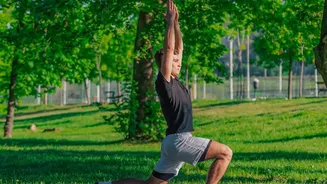
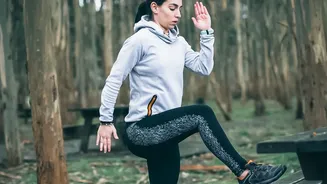
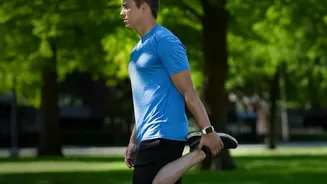
Forget expensive gym memberships and crowded weight rooms. The local playground or park is a versatile, open-air fitness space waiting to be used. This style of training, often called calisthenics, uses your body's weight as resistance to build muscle,
endurance, and power. Working out outdoors has been shown to boost mood and make exercise feel less like a chore. Outdoor fitness parks provide equipment for strength training, cardio, and flexibility, making exercise more accessible. You can get a complete, full-body workout by creatively using benches, bars, and swings.
The Playground Workout Circuit
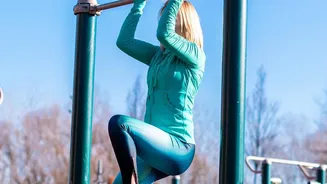
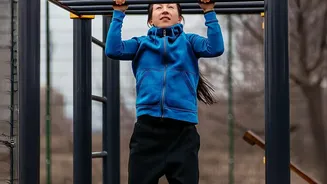
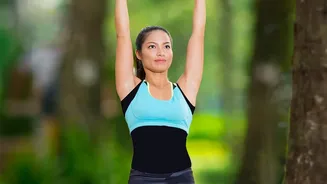
Almost any park has the tools for a fantastic workout. Start with a five-minute warm-up, like jogging and arm circles. Then, create a circuit with these foundational moves. Pull-Ups and Rows: Monkey bars or any sturdy horizontal bar are perfect for pull-ups, which build back and bicep strength. If a full pull-up is too hard, start with 'Australian pull-ups' or inverted rows by grabbing a lower bar, straightening your body, and pulling your chest to the bar. Incline and Decline Push-Ups: A park bench is a versatile push-up station. For an easier variation, place your hands on the bench and feet on the ground. To make it harder, put your feet on the bench and hands on the ground for a decline push-up that targets your upper chest and shoulders. Dips: Parallel bars are ideal for dips to work the chest, shoulders, and triceps. If your park doesn't have them, use a sturdy bench. Sit on the edge, place your hands beside you, and slide your hips forward. Lower your body until your elbows are at a 90-degree angle, then press back up.
Mastering The Bodyweight Squat
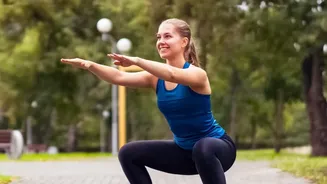
The bodyweight squat is a fundamental human movement and one of the most effective exercises for total-body strength. It primarily targets your glutes, quads, and hamstrings, but also strengthens your core, improves mobility, and reduces injury risk in daily activities. To perform one correctly, stand with your feet about shoulder-width apart, with your toes pointed slightly outward. Brace your core, keep your chest lifted, and initiate the movement by pushing your hips back as if you're about to sit in a chair. Lower yourself until your thighs are parallel to the floor, or as low as you can comfortably go while maintaining good form. Drive back up to the starting position by pushing through your feet.
Common Squat Mistakes To Avoid
Good form is crucial to get the benefits of squatting and avoid injury. One of the most common mistakes is allowing your knees to cave inward. This puts stress on the knee joints and often indicates that your glutes are not properly engaged. Think about actively pushing your knees out so they track over your feet. Another frequent error is lifting your heels off the ground, which shifts your balance forward and can be a sign of tight calves or limited ankle mobility. Focus on keeping your feet flat on the floor throughout the entire movement. Finally, avoid rounding your back or dropping your chest too far forward. Maintain a neutral spine by keeping your chest up and looking forward.
Putting It All Together
You can combine these movements into a simple, effective circuit. After a thorough warm-up, try performing a set of each exercise one after another with minimal rest in between. A good starting point could be: 1. Bodyweight Squats: 15-20 reps 2. Push-Ups (incline or standard): 10-15 reps 3. Inverted Rows: 8-12 reps 4. Bench Dips: 10-15 reps 5. Plank: Hold for 30-60 seconds Rest for 60-90 seconds after completing one full round, and aim to complete 3 to 4 rounds in total. This structure provides a balanced, full-body workout in under 30 minutes. Listen to your body, focus on controlled, quality movements over speed, and enjoy the freedom of turning your local park into your personal gym.