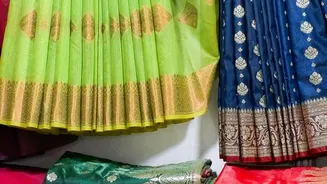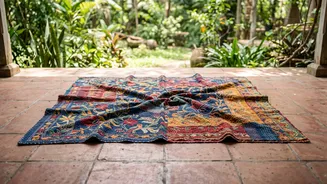



In the villages of Bengal, a quiet revolution of beauty and sustainability unfolds. Here, old, well-loved saris are not discarded but given a new life, transformed by hand into exquisite decorative quilts through the ancient art of Kantha.
A Stitch Born from Necessity
At its heart,
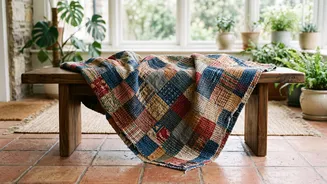
Kantha is a story of resourcefulness. The word itself is believed to derive from the Sanskrit 'kontha', meaning rags. For centuries, women in rural Bengal would take worn-out cotton saris and dhotis, fabrics softened by years of use, and layer them to create simple quilts for warmth. Instead of being thrown away, these textiles were carefully stacked—often three to five layers thick—and stitched together with a simple running stitch, the 'kantha phor'. This was not just a craft but a household necessity, a way to make something useful and beautiful from discarded items, a philosophy of zero-waste that predates modern sustainability movements by centuries.
Weaving Stories into Fabric
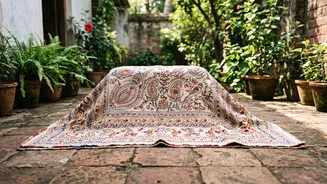
What began as a practical solution soon blossomed into a profound form of artistic expression. Kantha became a canvas for storytelling, a 'diary in fabric' where women could document their lives, beliefs, and wishes. The motifs stitched into the quilts were deeply personal, drawn from the world around them. Common symbols include the lotus, representing purity and the universe; the Tree of Life, signifying family continuity; and fish, symbolising fertility and good fortune. These designs were not merely decorative but were imbued with meaning, acting as prayers or protective talismans for loved ones. A quilt made for a newborn might be covered in symbols of protection, while one for a wedding could be filled with wishes for prosperity.
The Hands Behind the Art
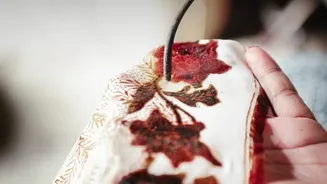
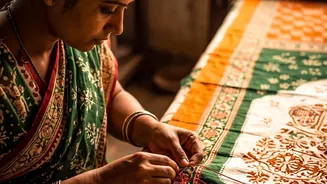
Kantha has traditionally been a female-driven craft, passed down from mother to daughter through generations. It provided a rare outlet for creative expression in a life often dominated by domestic duties. Women would gather in courtyards, stitching together while managing their households, their needles moving in a steady, meditative rhythm. Today, this tradition continues and has also become a vital source of livelihood. Across districts like Birbhum and Murshidabad, thousands of women artisans practice Kantha, transforming it from a domestic activity into a source of economic independence. While challenges like fair wages and competition from machine-made imitations exist, the revival of this craft has empowered many rural women.
From Humble Quilt to High Fashion
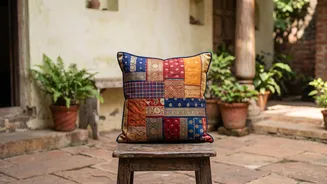
While Kantha quilts remain cherished heirlooms, the craft has journeyed far from its humble origins. After a period of decline in the 20th century due to the rise of machine-made textiles, revival efforts—notably involving the family of poet Rabindranath Tagore—brought Kantha back into the limelight. Today, designers in India and around the world have embraced Kantha for its unique texture, sustainable roots, and narrative power. The iconic running stitch now adorns not just quilts but also high-fashion sarees, jackets, stoles, and contemporary home decor. This modern adaptation ensures that the centuries-old tradition remains relevant and continues to thrive, balancing heritage with innovation.