







A Journey Transformed
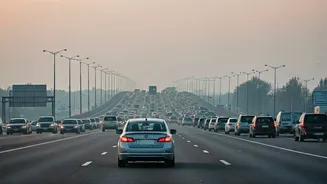
For decades, the journey from Delhi to Dehradun was an endurance test, a 235-kilometre crawl that could take anywhere from six to seven hours. That era is officially over. Inaugurated in April 2026, the 210-km Delhi-Saharanpur-Dehradun Economic Corridor
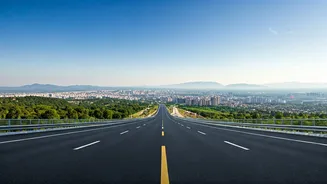
has slashed travel time to a mere 2.5 hours. This access-controlled expressway allows for speeds of up to 100 km/h, bypassing congested towns like Roorkee and Muzaffarnagar that were notorious bottlenecks. Built by the National Highways Authority of India (NHAI) at a cost of around ₹12,000 crore, the project is a marvel of modern engineering, designed not just for speed but also for ecological sensitivity.
Asia's Longest Wildlife Corridor
One of the most remarkable features of the expressway is its final 20-kilometre stretch, which includes a 12-kilometre elevated flyover through the eco-sensitive zone of Rajaji National Park. This structure is Asia's longest elevated wildlife corridor, designed to allow animals to move freely beneath the highway, preventing accidents and preserving ancient migratory routes. A study conducted shortly after its opening recorded over 40,000 animal movements by 18 different species using the underpasses, proving its immediate success in protecting the region's rich biodiversity while ensuring smooth traffic flow above.
The Real Estate Gold Rush
The expressway's impact on real estate has been immediate and profound. With Dehradun now a feasible commute from the National Capital Region (NCR), property markets are booming. Experts predict a 15-25% appreciation in property prices in the coming years. Areas like Sahastradhara Road and Rajpur Road are seeing high demand for premium homes, while developing zones like Mohkampur are becoming hotspots for affordable housing. For many in the NCR, the dream of a second home in the hills or even a permanent move for a better quality of life has suddenly become a tangible reality. This has also spurred interest in plots and holiday homes, with investors who saw the boom along the Yamuna Expressway now eyeing Dehradun.
A New Era for Tourism
The ease of access is set to revolutionise tourism in Uttarakhand. Dehradun is no longer just a gateway but a prime destination for weekend trips. The hospitality sector is bracing for a surge, with more hotels, resorts, and homestays expected to cater to the influx of visitors. The benefits extend beyond Dehradun itself. The 'Queen of Hills', Mussoorie, is now just a four-hour drive from Delhi. Quieter destinations like Chakrata, Dhanaulti, and Landour are also becoming more accessible, opening up new circuits for travellers seeking peace away from the crowds. However, this has also had an adverse effect on cities like Haridwar, which many travellers now bypass, leading to a reported downturn in its local tourism and hospitality businesses.
The Challenge of Sustainable Growth
While the expressway brings unprecedented opportunities, it also presents significant challenges. Dehradun has been grappling with the pressures of rapid, often unplanned, urbanisation for years. The city's infrastructure, from public transport to waste management, is already strained. The influx of new residents and tourists threatens to exacerbate issues like traffic congestion, pressure on water resources, and the loss of green cover. The city's built-up area nearly doubled in two decades even before the expressway was complete, often at the expense of forests and agricultural land. The key challenge for Dehradun will be to manage this new wave of growth sustainably, ensuring that the very charm that makes it so tempting is not lost in the process.