





A Symbol of Our Culture
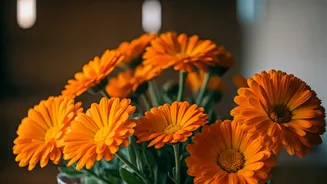
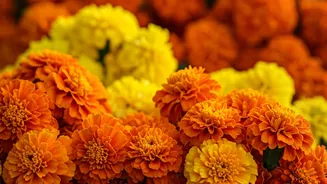
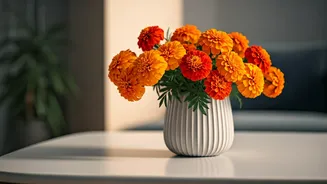
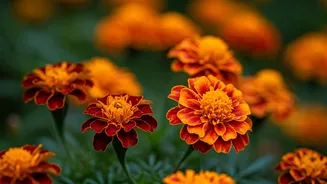
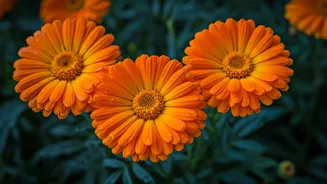
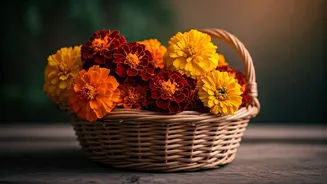
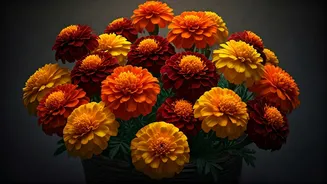
From Diwali doorways to wedding mandaps, the marigold is woven into the very fabric of Indian life. Its fiery orange and yellow hues are not just decorative; they are deeply symbolic, representing the sun, positivity, and good fortune. In Hinduism, the saffron
colour is considered auspicious, signifying surrender and devotion, which is why marigolds are a common offering to deities like Lakshmi and Ganesha. They are present at life's most significant moments, from grand celebrations to daily prayers. An imported bouquet of roses or lilies, while beautiful, carries none of this cultural weight. It is a generic gesture, whereas a string of marigolds is a conversation with centuries of tradition, a symbol of joy and faith that feels deeply familiar and rooted in our identity.
The Economics of Local Love
When you choose local marigolds, your money does more than just buy flowers. It supports the small farmers who cultivate them, the street-side vendors (phool wallas), and the entire local economy that depends on this trade. The floriculture industry provides a vital source of income for many rural communities. In contrast, buying imported flowers sends money overseas, propping up a complex global supply chain that benefits large international corporations. Thankfully, there is a growing trend of Indians opting for domestic produce, with imports of flowers having nearly halved between FY15 and FY23, while local production of popular flowers is on the rise. By choosing locally, you are making a conscious decision to invest in your own community, ensuring that livelihoods are supported and our own floral industry thrives.
An Eco-Friendly and Fresh Choice
The environmental cost of that perfect imported rose is shockingly high. Most cut flowers sold in major markets are flown thousands of miles from countries like Kenya or Colombia in refrigerated airplane holds, a process that generates a massive carbon footprint. In 2018, flowers imported for Valentine's Day in US alone produced CO2 equivalent to the emissions of 78,000 cars driven for a year. Furthermore, to keep blooms pristine, the industry often relies on heavy use of pesticides and chemicals, which can contaminate soil and water. Local marigolds, on the other hand, have a much smaller environmental impact. They don't require air freight or extensive refrigeration. This shorter journey from farm to home also means they are fresher and last longer, their vibrancy a testament to their recent harvest.
More Than Just a Pretty Flower
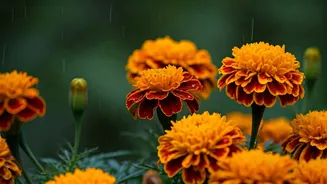
A bouquet of imported flowers has one job: to sit in a vase and look pretty. A marigold, however, is a multitasking marvel. Its strong fragrance is not just pleasant; it naturally repels pests, which is why 'torans' or door garlands are both welcoming and practical. According to Ayurveda, the flower also possesses healing properties; it can be used in balms for healing wounds, skin rashes, and sunburns. The petals contain lutein, a pigment related to Vitamin A that is beneficial for eyesight. They are easy to grow, profitable for farmers due to their many uses, and their petals can be used in everything from floral rangolis to being offered in a puja. Unlike a static bouquet, the marigold is a dynamic part of the household, offering beauty, utility, and spiritual significance.