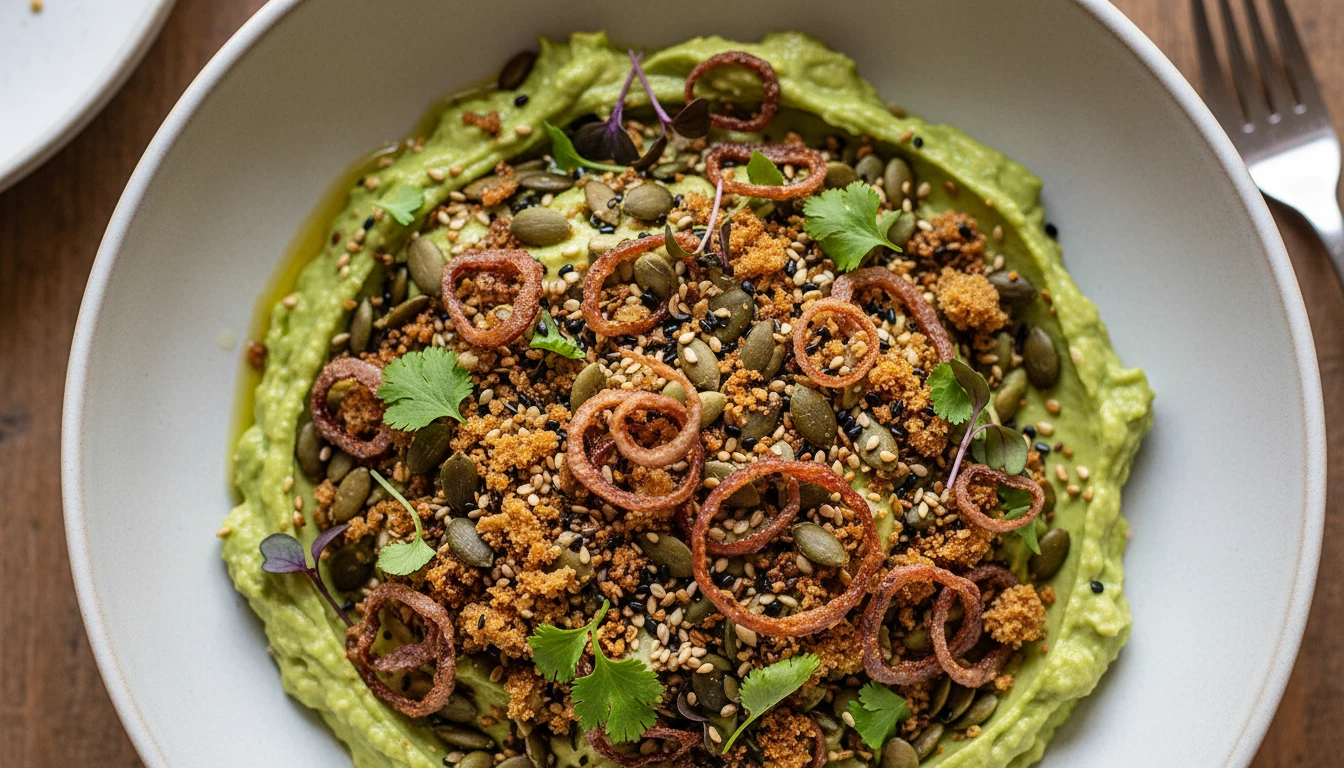




The Power of Textural Contrast
Why does a dish with varied textures feel more interesting to eat? It’s all about avoiding monotony. A single, uniform texture can become boring after a few bites. When you combine grains of different sizes — a coarse one with a fine one, or a chewy grain with a creamy
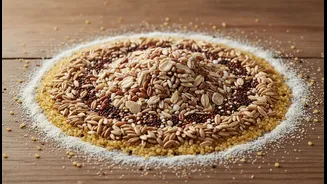
one — you create a more dynamic mouthfeel. Each spoonful offers a slightly different experience. Fine grains can form a soft, creamy base, while larger grains provide a distinct chewiness or a satisfying pop. This contrast not only makes the dish more enjoyable but can also help with flavour. The nooks and crannies created by mixed grains can trap sauces and spices, delivering little bursts of flavour. Some food scientists even point to the 'crunch effect', where the sound of our food contributes to our enjoyment.
Upgrading Your Upma
Upma is a classic Indian breakfast, but its texture can be divisive. The key to a fluffy, non-sticky upma often lies in roasting the rava (semolina) well and getting the water ratio right. But another trick is to play with the rava itself. Most shops sell at least two varieties: a fine rava (also known as Bombay rava or suji) and a coarser one. While fine rava cooks up soft and smooth, the coarser variety provides a more distinct, grainy bite. Try replacing about 20% of your usual fine rava with the coarser type. Roast both together to develop their nutty flavour before adding your tempering and hot water. The result is an upma that is fundamentally soft but with a delightful, subtle graininess that keeps it from feeling pasty. For an even healthier twist, you can introduce a small amount of dalia (broken wheat) or millet flour into your rava mix, which will also contribute different textural notes.
Reimagining Porridge
Porridge is the perfect canvas for textural experimentation. Moving beyond a single type of oat can transform your morning bowl. For instance, combining creamy rolled oats with chewy steel-cut oats creates a fantastic contrast. The rolled oats break down to create a smooth base, while the steel-cut oats remain firm and nutty. To do this, you can either cook them separately or add the quick-cooking rolled oats in the last 5-10 minutes of cooking the steel-cut oats. You can also mix in entirely different grains. Quinoa, buckwheat, and amaranth are excellent additions. Quinoa adds a slight crunch, while buckwheat offers a nutty earthiness. Teff, when used in small quantities, can help bind other grains together and adds a creamy property. A good starting ratio is a 1:3 mix of grains to liquid. Don't be afraid to experiment with combinations like brown rice and quinoa, or ragi and bajra for a truly multi-grain experience.
Perfecting the Pilaf
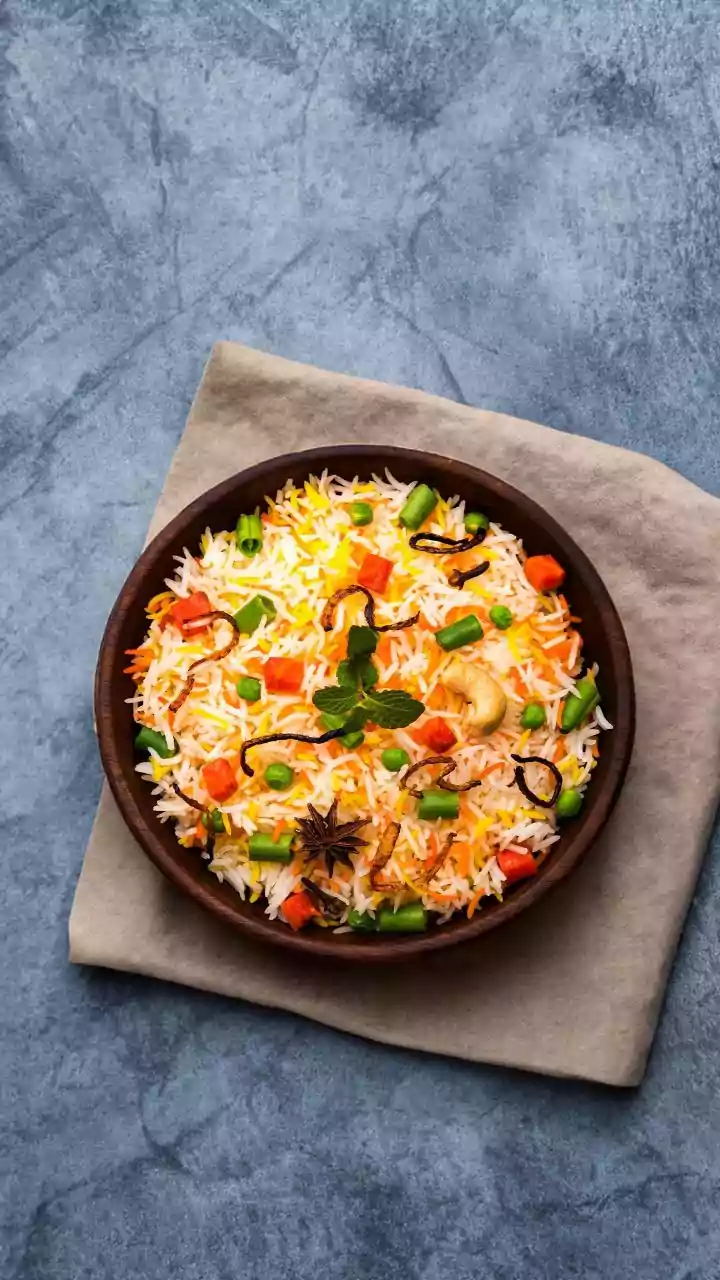
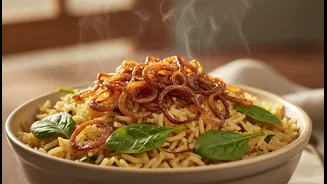
A pilaf is defined by its cooking method, where grains are first toasted in fat before liquid is added to create separate, fluffy kernels. Introducing a second grain can add a wonderful new dimension. A classic trick seen in Middle Eastern cuisine is to toast broken vermicelli or orzo pasta in the pan until golden brown before adding the rice. The pasta provides a distinct texture and a nutty, toasted flavour that complements the rice beautifully. When mixing different whole grains, timing is everything. Grains have different cooking times, and adding them all at once can lead to a mix of overcooked mush and undercooked hardness. One strategy is to choose grains with similar cooking times, like quinoa and amaranth. Another is to cook grains separately and combine them at the end. For a one-pot approach, start the longest-cooking grain first (like wild rice or barley) and stagger the addition of quicker-cooking grains like quinoa partway through.