



1. The Vinyl Revival Finds a Home
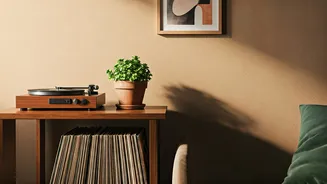
The resurgence of vinyl records isn't just an audiophile trend anymore; it's a full-blown design movement. That sleek, black turntable isn't just for playing music—it’s a statement piece. It signals a desire for a more intentional, ritualistic approach
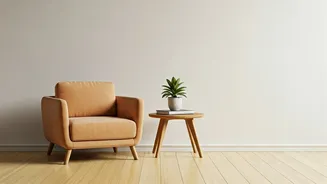
to entertainment. Unlike the instant gratification of a streaming playlist, playing a record requires a physical act: selecting the album, placing it on the platter, and dropping the needle. This process turns music into an event. Interior designers are leaning into this by creating dedicated 'listening corners' with a comfy armchair, good lighting, and, of course, stylish shelving to display a curated vinyl collection. The album art itself becomes part of the decor, offering a large-format, tactile alternative to a digital thumbnail.
2. ‘Bookshelf Wealth’ Takes Over
Remember when the minimalist ideal was to have as few physical books as possible? That era is decidedly over. The 'bookshelf wealth' trend celebrates the beauty of a well-loved, slightly chaotic collection of books. This isn’t about perfectly colour-coordinated spines arranged for a photo. It’s about showcasing a life of intellectual curiosity through a diverse range of titles, stacked horizontally and vertically, overflowing from shelves. These books tell a story about who you are, what you’ve learned, and where your interests lie. In a digital age where our reading habits are hidden on a Kindle or tablet, a physical library is a bold, personal statement. It makes a home feel lived-in, warm, and intelligent, turning a simple wall into a conversation starter.
3. Board Games and Puzzles on Display
For years, board games and jigsaw puzzles were things you pulled out of a dusty cupboard on a rainy day. Now, they’re becoming a permanent part of the decor. A beautifully designed chess set on a coffee table, a half-finished 1,000-piece puzzle on a side console, or a stack of classic board games on an open shelf—these items serve as a constant, gentle invitation to unplug. Leaving them out in the open encourages spontaneous, screen-free interaction with family and guests. It subtly prioritises face-to-face connection over digital isolation. The aesthetic appeal of modern board games, with their sophisticated artwork and high-quality components, also means they no longer need to be hidden away.
4. The Allure of Retro-Inspired Tech
This trend isn't about ditching modern technology altogether. Instead, it’s about cloaking it in nostalgic, analogue-inspired design. Think of Marshall speakers that look like vintage guitar amps, SMEG refrigerators with 1950s curves, or digital radios designed to resemble their transistor predecessors. This aesthetic offers the best of both worlds: the reliability and functionality of modern tech with the tactile, comforting feel of a bygone era. These items feature satisfying physical knobs, dials, and switches that provide a welcome sensory experience compared to tapping on a featureless glass screen. They soften the hard, futuristic edge of modern electronics, helping them blend more seamlessly into a warm, inviting home.
5. A Return to Tactile Textures
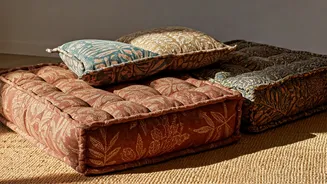
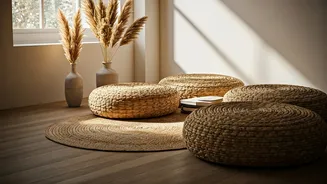
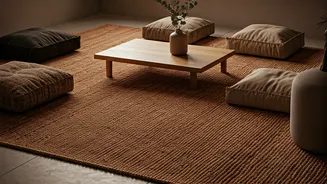
Beyond specific objects, the analogue mindset is influencing the very materials we use to decorate. There's a growing appreciation for things that feel real and imperfect to the touch. This includes chunky knit blankets, handmade ceramic mugs with slight irregularities, unfinished wood furniture, and linen curtains that wrinkle naturally. These textures engage our sense of touch, grounding us in the physical world. In an environment dominated by smooth, cold glass and plastic screens, surrounding ourselves with these tactile materials provides a necessary sensory counterbalance. It’s a move away from mass-produced perfection and towards an appreciation for the unique, the crafted, and the beautifully flawed.