



How the Exchange Process Really Works
When you decide to exchange old jewellery, the process seems straightforward. You take your ornaments to a jeweller, who assesses them and gives you a credit towards a new purchase. The first step involves checking the purity of your gold, often using
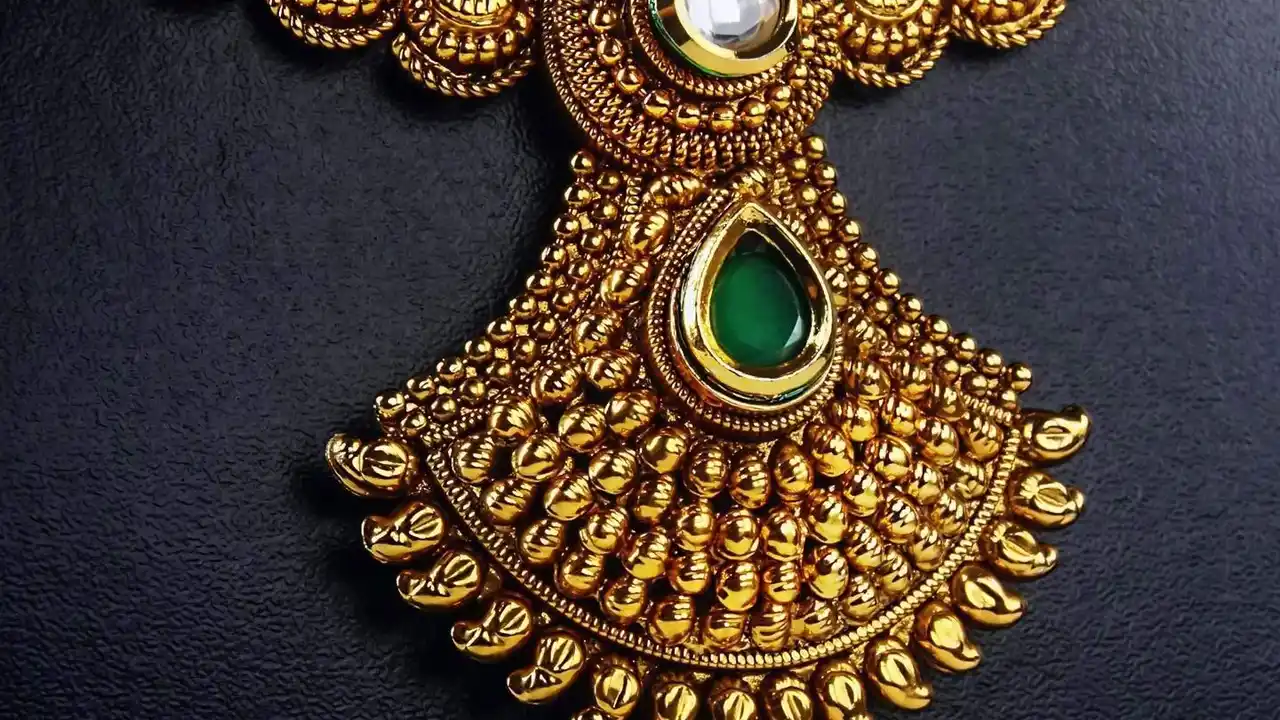
an X-ray fluorescence (XRF) machine to determine its exact caratage (e.g., 22K or 18K). The item is then weighed. However, it's crucial to note that any stones, enamel, or other non-gold elements are typically removed or their weight is deducted, and they are often assigned little to no value in the exchange. The jeweller then calculates the value of your old gold based on its net weight, purity, and the day's gold rate. This final amount becomes the credit you can use.
The Hidden Costs You Can't Ignore
The convenience of an exchange often masks several deductions that can significantly reduce the value you receive. Jewellers typically apply 'melting' or 'refining' charges, which can range from 1-3% of the gold's value, to cover the cost of turning your old pieces back into pure gold. Furthermore, some may apply a 'wastage' deduction, especially for non-hallmarked or intricately designed pieces, where they estimate a loss of gold during the melting process. Most importantly, the making charges you paid when you first bought the jewellery are completely lost. These charges, which can be a substantial part of the original price, are a sunk cost for labour and design and are never recovered upon sale or exchange.
The Math on Your New Purchase
After all deductions, the credit from your old gold is applied to your new purchase. However, the new piece of jewellery comes with its own set of costs. You will have to pay for the gold in the new item at the current market rate, plus fresh making charges (which can range from 5% to over 20%), and a 3% Goods and Services Tax (GST) on the total value of the new jewellery. The exchange is treated as two separate transactions in the eyes of tax law: the jeweller is effectively buying your old gold and selling you a new item. Your old gold simply acts as a mode of payment, and it does not exempt the new purchase from GST.
When Does Exchanging Make Sense?
Despite the costs, there are situations where an exchange is a practical choice. It offers a simple, one-stop solution to upgrade outdated or broken jewellery that you no longer wear. If your primary goal is to acquire a new design rather than get cash, the process is undeniably convenient. Some jewellers may offer better exchange policies or lower deductions, especially for gold that was originally purchased from their own brand. For pieces with high sentimental value, exchanging them for a new, wearable family heirloom can feel more meaningful than simply selling them for cash.
The Alternative: Selling for Cash First
Often, a more financially advantageous strategy is to decouple the two transactions. This involves selling your old gold to a reputable buyer for cash and then using that money to buy new jewellery. This approach gives you greater flexibility and control. You can shop around for the best possible price for your old gold, as dedicated gold buyers may offer better rates with fewer deductions than a retail jeweller might. With cash in hand, you become a cash buyer, which puts you in a stronger position to negotiate the making charges on your new purchase from any jeweller you choose. It allows you to wait for sales or promotional offers, maximising your purchasing power.