
The Post-Monsoon Glow-Up
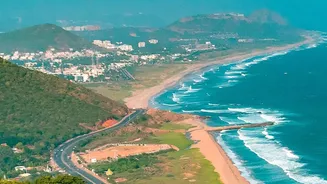
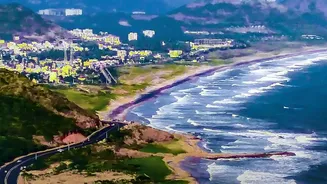
The period from October to February is arguably the best time to visit Alibaug. Following the monsoon's retreat, the entire landscape undergoes a stunning transformation. The oppressive humidity lifts, replaced by a pleasant, cool breeze, and the incessant
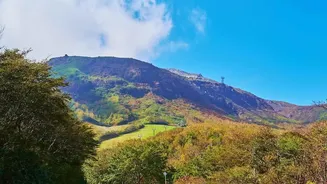
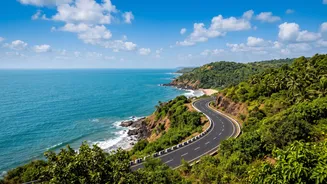
grey cloud cover gives way to clear, sunny skies. The Konkan coast, often battered by heavy rains, emerges lush and vibrant. Paddy fields shimmer, hillsides are carpeted in a rich green, and the air smells of wet earth, a phenomenon known as petrichor. This 'golden hour' for the region offers a visual feast that summer and monsoon months simply cannot match. The air quality improves dramatically, making the views sharper and the entire experience more refreshing. It’s a sensory reset after being cooped up during the rains.
The Journey is Part of the Charm
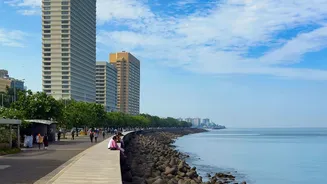
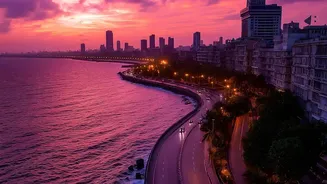
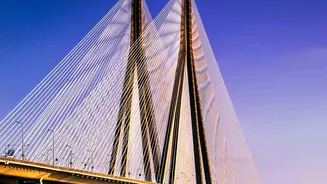
Getting to Alibaug is an adventure in itself, with options to suit every type of traveller. The most transformative development has been the Mumbai Trans Harbour Sea Link (MTHL), or Atal Setu. This sea bridge has drastically cut down travel time, turning a gruelling three-to-four-hour road journey into a breezy drive of about 45 minutes from South Mumbai. For those who prefer the sea, the Ro-Ro (Roll-on/Roll-off) ferry from Mazgaon's Ferry Wharf to Mandwa Jetty is a game-changer. Unlike traditional passenger ferries that often suspend services during the monsoon, the Ro-Ro operates year-round, weather permitting. It allows you to take your own car, bike, or even a bus across the sea in about an hour, combining the convenience of a road trip with the romance of a sea voyage. This improved connectivity has made Alibaug more of an accessible extension of Mumbai than a distant getaway.
Alibaug’s Enduring Appeal
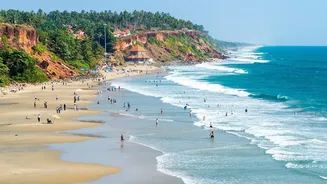
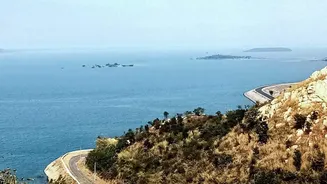
Once you arrive, Alibaug unfolds as a destination that perfectly balances relaxation and activity. The post-monsoon weather is ideal for exploring its famous beaches. Nagaon Beach is a hub for water sports like jet skiing and parasailing, while the shores of Varsoli, Kihim, and Awas offer quieter, more peaceful strolls. History enthusiasts can visit the iconic Kolaba Fort, a sea fort that becomes accessible on foot during low tide. The clearer post-monsoon sea makes the walk across the causeway particularly photogenic. Beyond the beaches, the region is known for its luxurious private villas, boutique stays, and a growing café culture, solidifying its reputation as the Hamptons of Mumbai. It's a place where you can curate your own experience, from an adventurous weekend to a quiet, restorative break.
A Feast for Food Lovers
No trip to the Konkan coast is complete without indulging in the local cuisine, and Alibaug is no exception. The end of the monsoon means fishing activities resume in full swing, ensuring a steady supply of the freshest seafood. Beachside shacks and local restaurants serve up delicious, authentic Konkani and Agri-style dishes. From spicy fish curries and prawn fry to the cooling Sol Kadhi, the culinary offerings are a major draw. The post-monsoon period, with its influx of fresh produce and seafood, is the perfect time to explore the region's rich gastronomic landscape. It’s a chance to taste the coast in its most authentic form, often in rustic settings with a view of the sea.