


The Challenge of Modern Stargazing
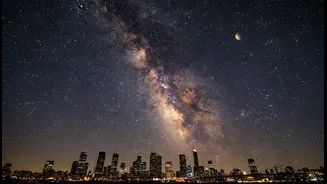
The biggest obstacle for any aspiring astronomer today is light pollution. This is the excessive and misdirected artificial light from streetlights, buildings, and homes that floods the night sky. This glow creates a washed-out canvas, obscuring all but
the brightest celestial objects like the Moon and a few planets. It not only affects our ability to see stars but also has documented impacts on human health and wildlife by disrupting natural day-night cycles. The good news is that its effects are reversible, and escaping the worst of it is the first crucial step to unlocking the beauty of the night sky.
What to See in the July 2026 Sky
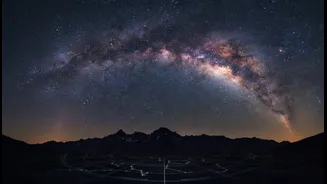
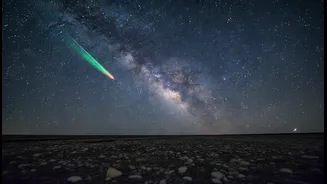
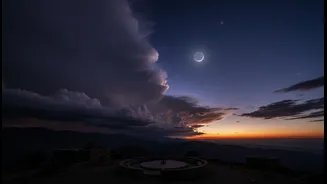
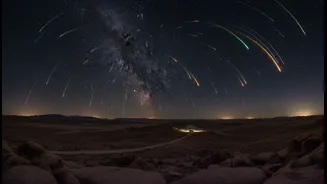
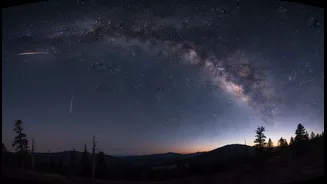
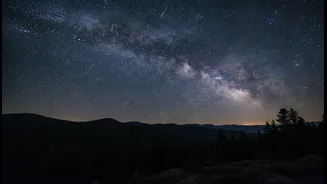
July is a busy month for celestial events. Venus will be a brilliant fixture in the evening sky after sunset. On the mornings of July 11, a beautiful celestial triangle will form between a crescent Moon, the reddish planet Mars, and the Pleiades star cluster, also known as the Seven Sisters. The period around the new moon on July 14 offers the darkest skies of the month, making it the perfect window to spot the faint, hazy band of the Milky Way stretching across the southern sky. Towards the end of the month, on July 24-25, the Moon will pass close to the bright, reddish star Antares in the constellation Scorpius. The month closes with the peak of two meteor showers on the nights of July 30-31: the Southern Delta Aquariids and the Alpha Capricornids. However, a nearly full moon on July 29 will make viewing conditions for these showers challenging this year, washing out all but the brightest fireballs.
Finding Your Dark-Sky Haven
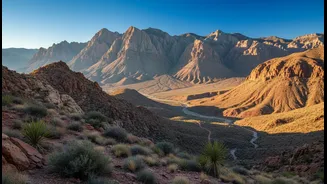
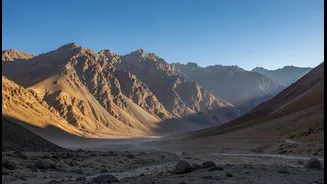
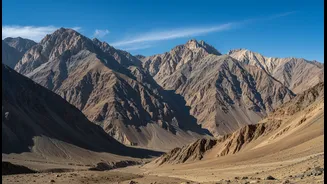
The key to good stargazing is to get away from city lights. Even a short drive to a rural area, a large park, or a hilltop can make a significant difference. For those seeking pristine skies, India offers several remarkable locations. Hanle in Ladakh is India's first certified Dark Sky Reserve, offering some of the clearest skies in Asia due to its high altitude and dry climate. Another excellent spot is Pench Tiger Reserve in Madhya Pradesh, which holds the distinction of being India's first Dark Sky Park, combining wildlife with astronomy. Other notable destinations for stargazers include Spiti Valley, the Rann of Kutch, and parts of the Thar Desert near Jaisalmer. You can use online light pollution maps to find darker locations near you. When you find a spot, ensure it's safe, accessible at night, and that you are not trespassing.
Your Beginner's Stargazing Toolkit
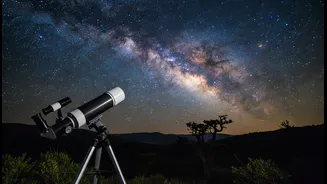
You don't need expensive equipment to start. The most essential tool is your own eyes. Allow them at least 20-30 minutes to fully adapt to the darkness; this will dramatically increase the number of stars you can see. To preserve your night vision, use a red-light torch instead of a bright white one. A good stargazing app on your smartphone, like SkyView or Stellarium, can act as an interactive star chart to help you identify constellations, planets, and stars. A simple pair of binoculars is a fantastic next step, as they are perfect for getting a closer look at the Moon's craters, the Pleiades cluster, and for scanning the Milky Way. Before investing in a telescope, mastering the sky with just your eyes and binoculars is a rewarding journey.
Tips for a Perfect Night Out
Planning makes all the difference. Always check the weather forecast for clear skies before you head out. Dress in warm layers, as even summer nights can get chilly, especially at higher altitudes or in open fields. Patience is a virtue in stargazing. Don't just glance up; take your time to truly observe. Notice how stars differ in brightness and colour. Start by learning to identify the brightest stars and major constellations for the season; they act as your landmarks in the sky. Finally, make it a shared experience. Bringing friends or family not only makes it more enjoyable but also adds a layer of safety when you're out in a dark, unfamiliar location.