

The Power Duo Inside Your Veggies
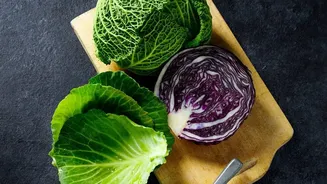
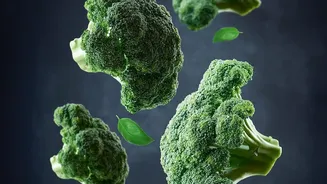
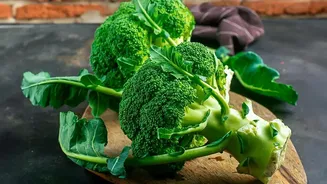
Cruciferous vegetables, a family that includes everything from broccoli and cabbage (patta gobhi) to cauliflower (gobi) and mustard greens (sarson), are famous for their health-promoting properties. Much of this credit goes to a potent compound called
sulforaphane, which has been studied for its anti-inflammatory and antioxidant effects. But here’s the catch: sulforaphane isn't just sitting inside the vegetable waiting to be eaten. It has to be created. The process requires two key ingredients to come together: a precursor molecule called glucoraphanin and an enzyme called myrosinase. Think of it like a two-part chemical reaction. The plant keeps these two compounds in separate compartments. Only when the plant's cell walls are damaged—by chewing, chopping, or blending—do the two mix and create the beneficial sulforaphane.
The Problem with Most Cooking Methods
The challenge is that myrosinase, the enzyme essential for creating sulforaphane, is extremely sensitive to heat. Common cooking methods can easily destroy it. Boiling is particularly damaging; not only does the high heat destroy the myrosinase, but the water-soluble precursors (glucosinolates) also leach out into the cooking water. One study found that boiling broccoli can result in a massive 59% loss of these essential compounds. Microwaving for even a minute can also wipe out the majority of the crucial enzyme. When the myrosinase enzyme is destroyed, the vegetable loses its ability to produce significant amounts of sulforaphane, greatly diminishing the health benefits you were hoping to get.
Why Quick Steaming Is the Goldilocks Solution
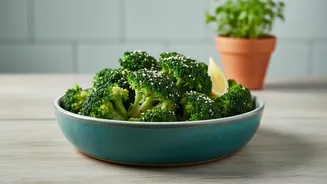
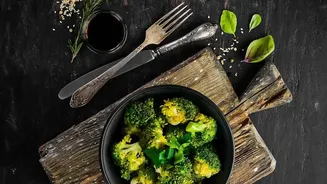
This is where quick steaming comes in as the superior method. Research has consistently shown that steaming is the best way to preserve the nutritional integrity of cruciferous vegetables. Steaming for just one to three minutes until the vegetables are tender-crisp and bright green is the ideal approach. This short burst of heat is gentle enough that it doesn't completely destroy the myrosinase enzyme. In fact, some studies suggest that light steaming can even enhance the formation of sulforaphane compared to eating them raw by making the components more available. Unlike boiling, steaming prevents the beneficial compounds from leaching away into the water, keeping them locked inside the vegetable. One study even found that steaming increased the total glucosinolate content by 30% compared to raw broccoli.
A Practical Guide to Perfect Steaming
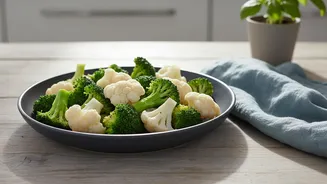
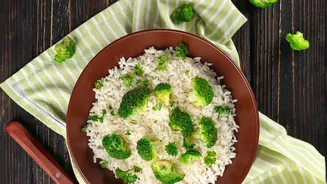
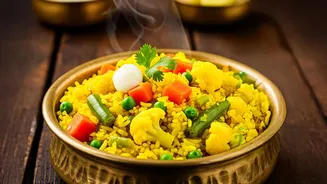
Mastering the art of quick steaming is simple. All you need is a pot with a tight-fitting lid and a steamer basket. Add about an inch of water to the pot, bring it to a boil, and place your chopped vegetables (like broccoli florets, cauliflower, or Brussels sprouts) in the basket. Cover the pot and steam for just a few minutes. For broccoli, the sweet spot is typically between two and four minutes. The goal is a vibrant, bright colour and a texture that is tender but still has a slight crunch. This technique works beautifully for a wide range of cruciferous veggies, including bok choy, kale, and cabbage. Remember, mushy, olive-green vegetables are a sign you’ve gone too far and have lost many of the nutrients.
Bonus Tips to Boost Sulforaphane
If you prefer your vegetables cooked for longer or use other methods, there are still ways to get the benefits. One popular method is the 'hack and hold' technique: chop your cruciferous vegetables and let them sit for about 30 to 40 minutes before cooking. This gives the myrosinase enzyme time to work its magic and create sulforaphane before heat is ever applied. Another clever trick is to add a source of active myrosinase back into your cooked meal. Sprinkling a little mustard powder or adding some raw radish or arugula to your dish can reintroduce the enzyme and help convert any remaining precursors into beneficial sulforaphane. This can increase the amount of sulforaphane your body absorbs by more than four times.