


The Post-Monsoon Dampness Dilemma
While the heavy rains subside, the post-monsoon period in many Indian cities is characterised by exceptionally high humidity, often exceeding 80%. This persistent dampness means your dog's coat can remain moist long after a walk, creating a warm, humid micro-environment
on their skin. This is an ideal breeding ground for fungi and bacteria, which are the primary culprits behind most seasonal skin woes. For urban dogs living in apartments, where air circulation might be limited and quick outdoor drying isn't always an option, this risk is magnified.
Know The Enemy: Common Skin Woes
Several specific conditions flare up during this humid season. Fungal infections, like yeast dermatitis, are extremely common, causing greasy skin, a musty odour, and intense itching. You may also see bacterial infections, known as pyoderma, which can cause pus-filled spots and sores. Another frequent issue is acute moist dermatitis, or 'hot spots'. These are painful, red, oozing lesions that can appear suddenly and spread rapidly, often starting from a small scratch or insect bite on damp skin. Constant licking or scratching is often the first sign that something is amiss.
The Drying-Off Doctrine
The single most effective preventative measure is to ensure your dog is thoroughly dry after every single walk. This isn't just about a quick once-over with a towel. Use absorbent microfiber towels to soak up as much moisture as possible. Pay special attention to the paws, underbelly, armpits, and any skin folds—areas where moisture loves to hide. For long-haired breeds, using a hairdryer on a low-heat, low-speed setting can be a game-changer. Making this a non-negotiable part of your routine prevents the damp conditions where infections start.
Focus on Paws, Folds, and Ears
Certain areas of your dog's body are 'high-risk' zones. Paws are constantly exposed to wet pavements and puddles, and the spaces between the toes trap moisture beautifully. Clean and dry each paw thoroughly after walks, and consider trimming the fur around the pads to improve airflow. Breeds with skin folds, like Pugs and Bulldogs, need these folds cleaned and dried daily to prevent trapped moisture and debris from causing infections. Ears are another problem area; the humid environment can lead to ear infections, so regular checks and cleaning with a vet-approved solution are crucial.
Grooming and Diet: Your First Line of Defence
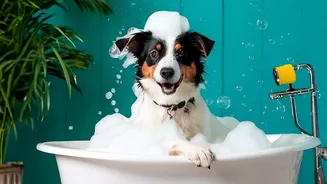
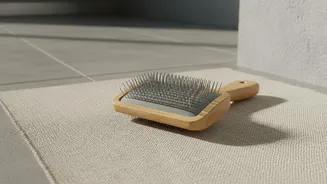
Proactive care can make a huge difference. Regular brushing removes loose fur and tangles that can trap moisture against the skin and improves air circulation. During this season, consider bathing your dog with a vet-recommended antifungal or medicated shampoo. Diet also plays a vital role. A balanced diet rich in Omega-3 fatty acids can strengthen the skin barrier from the inside out, making it more resilient to irritants. Additionally, keeping your pet’s bedding clean and dry by washing it frequently in hot water helps eliminate environmental fungi and bacteria.
When Home Care Isn't Enough
While prevention is key, it's important to recognise when a professional opinion is needed. If you notice persistent scratching, hair loss, open sores, a strong foul odour, or if a red patch worsens despite your efforts, it’s time to visit the veterinarian. These can be signs of a deeper infection that requires prescription medication. Early intervention is crucial to prevent a minor irritation from becoming a major, painful problem for your pet. Do not use human antifungal creams, as many are toxic if licked off.