
The Plant-Based Iron Challenge
One of the main nutritional considerations for vegans and vegetarians is iron. Iron is crucial for creating haemoglobin, the protein in red blood cells that carries oxygen throughout your body. Iron comes in two forms: heme, found in animal products,
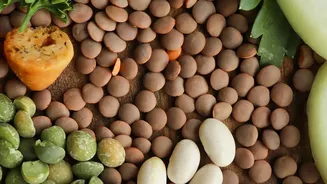
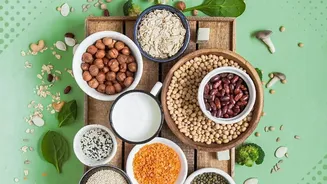
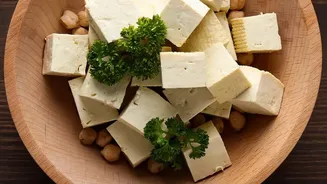
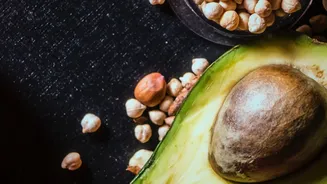
and non-heme, found in plants. The challenge is that non-heme iron is less easily absorbed by the body. Plant-based foods like lentils, chickpeas, tofu, and spinach are packed with this type of iron, but the body can struggle to make full use of it. This is partly because plant foods also contain compounds called phytates and polyphenols, which can bind to iron and inhibit its absorption. This doesn't mean you can't get enough iron on a vegan diet, but it does mean being strategic is a smart move.
How Vitamin C Unlocks Iron
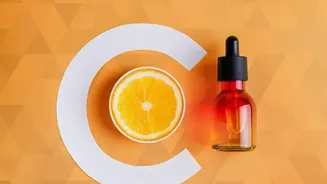
This is where vitamin C, or ascorbic acid, becomes a game-changer. When consumed in the same meal as non-heme iron, vitamin C works its magic in two ways. First, it helps convert the iron from its ferric form (Fe³⁺) into the more soluble ferrous form (Fe²⁺), which your intestines can absorb much more easily. Second, it forms a soluble complex with the iron, essentially protecting it from being locked up by those pesky inhibitors like phytates and tannins found in tea and coffee. Think of vitamin C as a key that unlocks the iron trapped inside plant foods, making it readily available for your body to use. This simple biochemical partnership is one of the most effective ways to enhance your nutritional intake from a plant-based diet.
Does It Really Double Absorption?
The headline's claim that vitamin C can double nutrient absorption is not an overstatement—in fact, it might be an understatement. Research shows that adding vitamin C to a meal can increase non-heme iron absorption significantly, with some studies indicating it can boost absorption by up to six times. The exact amount of enhancement depends on several factors, including the levels of inhibitors in the meal and the amount of vitamin C consumed. Studies suggest that aiming for at least 50 mg of vitamin C with a meal—the equivalent of about half a bell pepper or a small orange—can make a substantial difference. One meta-analysis of 26 studies confirmed that vitamin C consistently and significantly increases non-heme iron absorption. So, while 'doubling' is a good benchmark, the potential for improvement is often much greater.
Practical Pairings for Your Plate
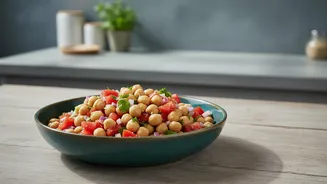
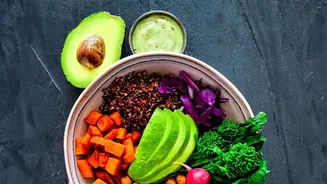
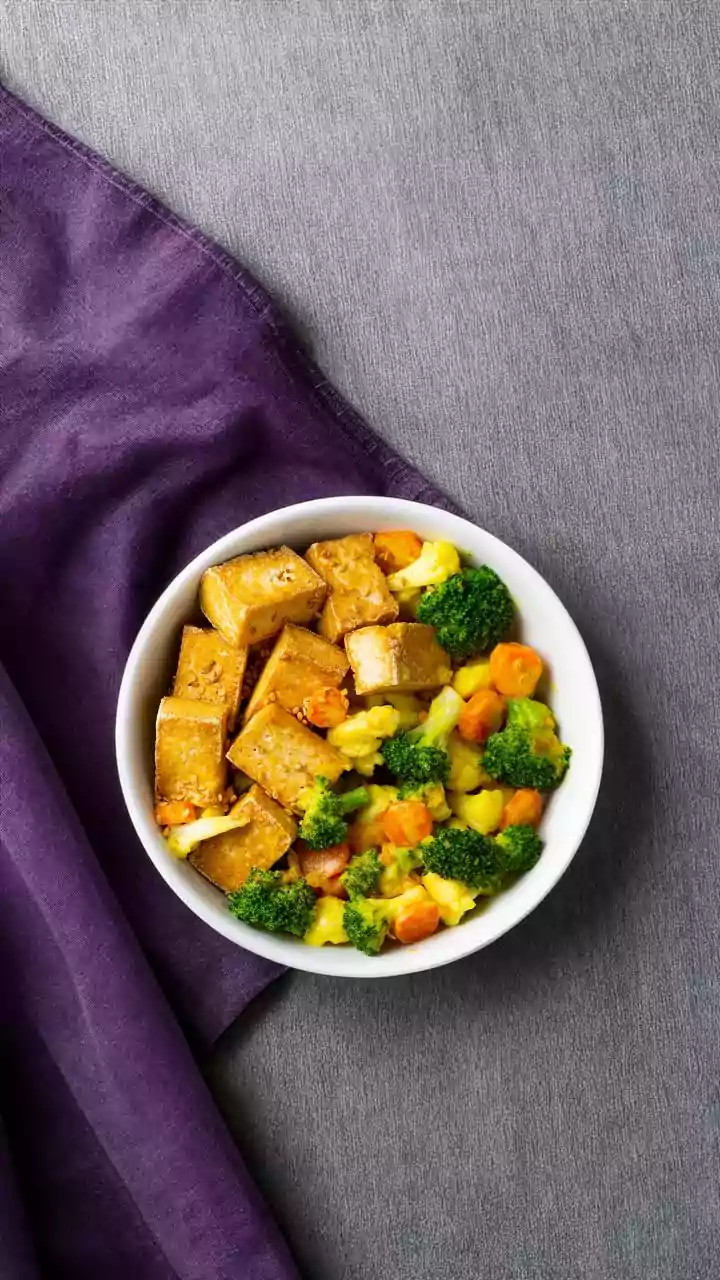
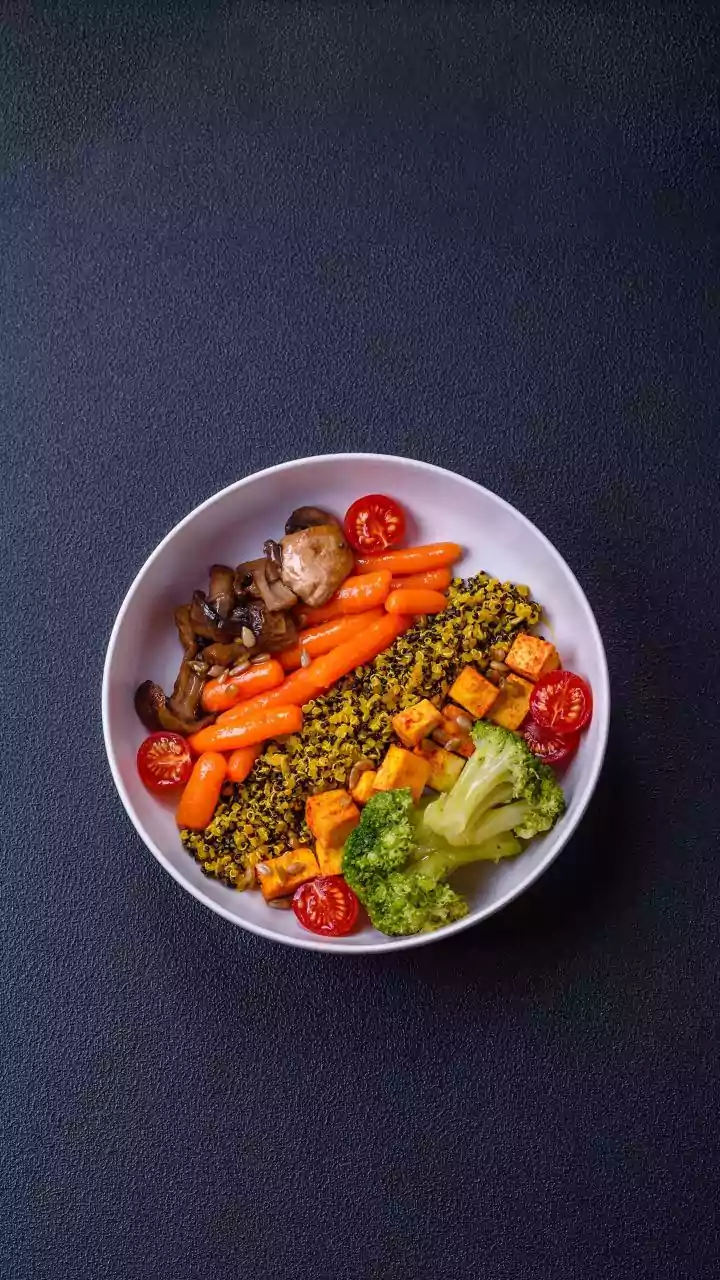
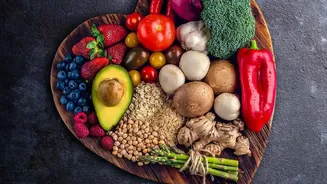
Incorporating this principle into your daily meals is simple and delicious. The goal is to combine a good source of plant-based iron with a food rich in vitamin C. Many vegetables, like broccoli, are fantastic because they contain both iron and vitamin C. Here are some easy and effective pairings to get you started: Lentil Soup with Tomatoes and Lemon: Cook your lentils with a tomato base and finish with a generous squeeze of fresh lemon juice. Tofu Stir-fry with Bell Peppers: Toss cubes of iron-rich tofu with colourful bell peppers, which are packed with vitamin C. Spinach Salad with Strawberries or Oranges: Combine leafy greens like spinach with citrus fruits or berries for a powerful nutrient boost. Oatmeal with a Glass of Orange Juice: The iron from the oats is made more available by the vitamin C in the juice. * Chickpea Curry with Broccoli: Chickpeas provide the iron, while broccoli offers a healthy dose of vitamin C.
What About Protein and Other Nutrients?
While the most dramatic effect of vitamin C is on iron absorption, it also plays a vital role in protein synthesis, particularly for collagen. Collagen is essential for healthy skin, bones, and connective tissues. For your body to build collagen from the amino acids you consume, vitamin C is a necessary cofactor. So while vitamin C doesn't directly increase the absorption of protein in the way it does for iron, it's crucial for allowing your body to properly use the building blocks from the protein you eat. Therefore, ensuring you have adequate vitamin C intake supports the entire system of tissue repair and maintenance, which is a primary function of dietary protein.