


The Hidden Danger in Hot Leftovers
One of the most common causes of foodborne illness is the improper cooling of cooked foods. When you place a large, deep container of hot food into the refrigerator, it creates a dangerous situation. The food at the center of the pot remains warm for
a very long time, creating the perfect environment for harmful bacteria to multiply. Even if your fridge feels cold, the sheer volume of a big pot of stew, chili, or rice acts as an insulator, preventing the core from cooling down quickly. This extended period of warmth can turn your delicious leftovers into a health hazard without any obvious signs like a bad smell or taste.
Welcome to the 'Danger Zone'
Food safety experts refer to a specific temperature range as the “Danger Zone.” According to guidelines from the USDA and FDA, this zone is between 40°F (5°C) and 140°F (60°C). Within this range, bacteria like Salmonella and E. coli can double in number in as little as 20 minutes. The longer your food lingers in this zone, the greater the risk. The goal is to move food through this zone as rapidly as possible. Commercial kitchens have strict rules for this: food must be cooled from 135°F (57°C) to 70°F (21°C) within two hours, and then down to 41°F (5°C) within the next four hours. While home kitchens aren't subject to inspections, following this principle is key to keeping food safe.
The Solution: Divide and Conquer
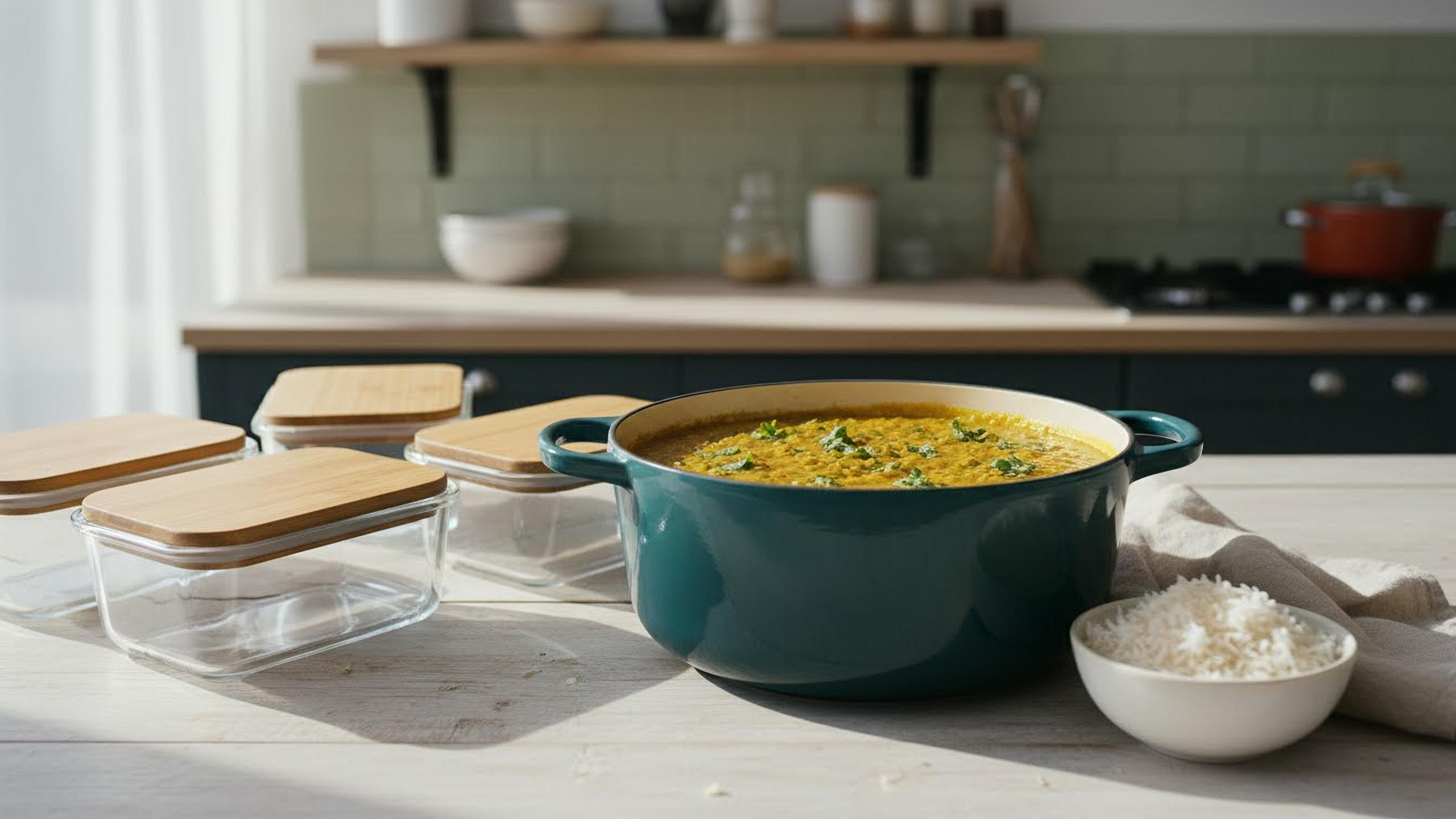
The single most effective way to cool leftovers quickly is to increase the food's surface area. Instead of refrigerating a large pot, divide the contents into several small, shallow containers. For thick foods like casseroles, refried beans, or chili, the depth should be no more than two inches. For thinner liquids like soups and broths, a depth of three inches is acceptable. This simple step allows heat to escape much more efficiently, moving the food through the temperature danger zone in a fraction of the time it would take in a single, large container. Spreading rice or sliced meats on a baking sheet is another excellent way to cool them rapidly before storing.
A Step-by-Step Cooling Guide
To make this a regular habit, follow a simple process. First, let very hot food sit at room temperature for about 20 to 30 minutes before you begin; this initial step allows some heat to dissipate without risk. Then, divide the food into your shallow containers. It’s important not to cover the containers tightly right away. Loosely covering them or leaving them uncovered in the fridge for the initial cooling period allows more heat and steam to escape. Once the food is completely cooled to 41°F or below, you can seal the containers with airtight lids. Always place the cooling containers on an upper shelf and leave space around them to allow for better air circulation.
More Pro Tips for Rapid Cooling
If you need to cool something very quickly, there are a few other tricks used by chefs. An ice bath is highly effective: simply place your smaller container of hot food into a larger pan or sink filled with ice and water. Stirring the food periodically while it's in the ice bath will speed up the process even more. Another method involves using frozen items. You can use special plastic "ice paddles" that are filled with water and frozen, then used to stir hot liquids. For soups or stews, you can even intentionally prepare them with less liquid and add ice or cold broth at the end to help bring the temperature down.