


Planets On Evening and Morning Parade
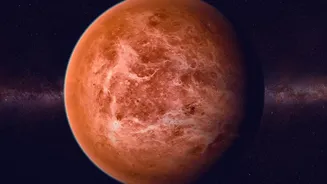
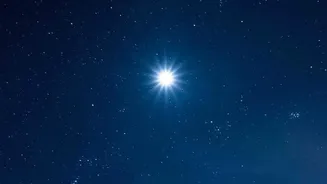
The planetary parade continues throughout the end of August, with celestial jewels visible in both the evening and pre-dawn sky. After the sun sets, look to the west to spot the brilliant glow of Venus. The dazzling planet is making its way through the constellation
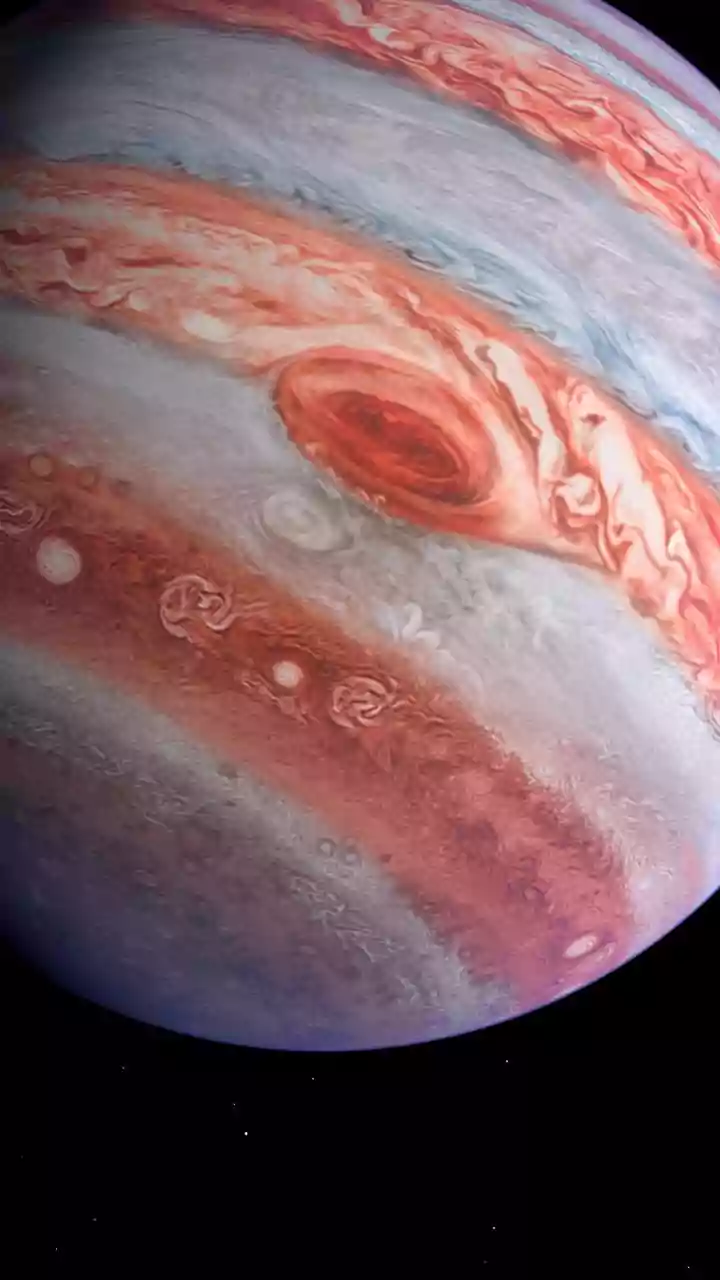
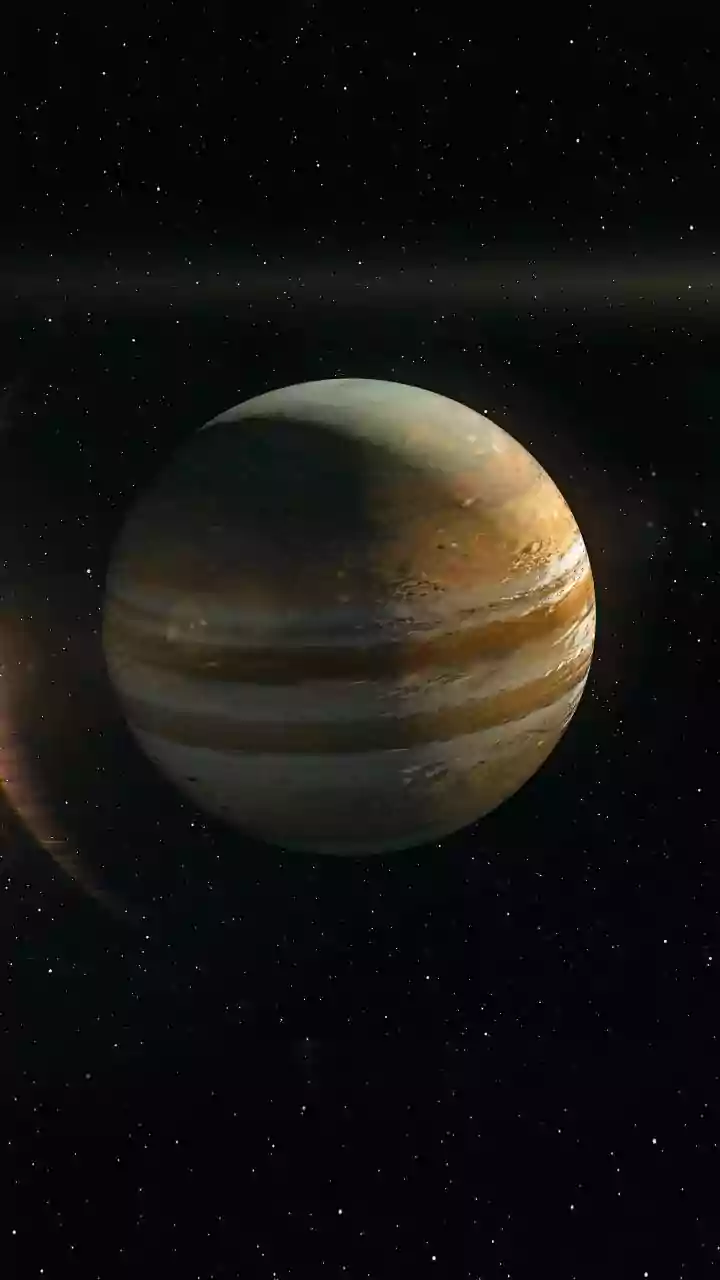
Virgo and will appear to close in on the bright star Spica each night, leading up to a beautiful conjunction on September 1. For night owls, the real show belongs to Saturn. The ringed planet is growing more prominent as it heads towards its October opposition, when it will be at its biggest and brightest for the year. It rises in the east about two hours after sunset, climbing higher through the night. If you're an early riser, you can still catch Mars marching eastward against the stars of Gemini before dawn, while the giant Jupiter makes its presence known low in the east-northeast sky.
The Full Sturgeon Moon
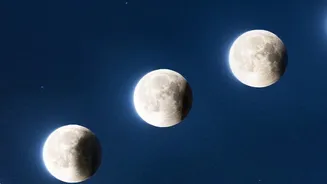
Mark your calendars for August 28, the date of the month's full moon. Traditionally known as the Sturgeon Moon, it will light up the night sky from dusk until dawn. While this full moon coincides with a deep partial lunar eclipse, unfortunately, this spectacle will not be visible from India. The eclipse will primarily be seen across the Americas, Europe, and Africa. For observers in India, the main event will be the sheer brightness of the full moon itself, which can wash out fainter stars but provides a stunning sight all on its own. It's a perfect opportunity for a late-night stroll, where the landscape will be bathed in bright moonlight. On the nights leading up to the 28th, you can watch the waxing gibbous moon grow fuller each evening.
A Close Dance for the Moon and Saturn
One of the most picturesque events to close out the month will be a close approach between the Moon and Saturn. During the night of August 30 and into the morning of August 31, the waning gibbous Moon will glide past the ringed planet. The pair will be easy to spot, rising in the east at around 10 p.m. local time and travelling across the sky together throughout the night. At their closest, they will appear just a few degrees apart—easily fitting within the same binocular field of view, offering a wonderful photo opportunity. This pairing serves as a beautiful prelude to Saturn's opposition in October, reminding us of the planet's steady presence in our night sky.
Finding The Summer Triangle and Milky Way
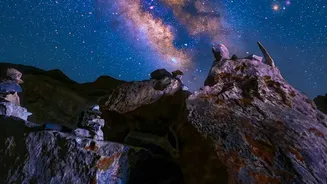
Even without a specific event, the late August sky is a treasure map of constellations, provided you can find a clear night between monsoon spells. Look straight up after dark to find the Summer Triangle, a prominent asterism formed by three of the brightest stars in the sky: Vega in the constellation Lyra, Deneb in Cygnus, and Altair in Aquila. This celestial landmark is so bright it can be spotted even from light-polluted urban areas. If you can get to a truly dark location, away from city lights, you’ll be rewarded with a view of the Milky Way’s core. Look south for the teapot-shaped asterism of Sagittarius, where the densest, brightest part of our galaxy appears like a luminous cloud of cosmic steam. For the best views, consider visiting one of India’s dark sky locations like Hanle in Ladakh, Spiti Valley, or the Rann of Kutch.