




The End of Destination Fixation
For years, the goal of a holiday was simple: get to the destination as fast as possible. But a significant shift is underway. Travellers are growing weary of rushed, checklist-style vacations that leave them feeling more tired than when they left. This
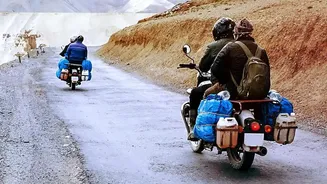
has given rise to the concept of 'slow travel,' a philosophy that champions depth over distance. Instead of cramming five cities into a week, the new ideal is to truly immerse oneself in a single region. The focus is no longer just on the destination, but on the rich, unplanned moments that happen along the way—the impromptu stop at a roadside dhaba, a detour to an unknown temple, or a conversation with a local artisan. According to a 2026 travel report, 67% of Indian respondents identified relaxation as their primary motivation for travel, signalling a move away from performance-based tourism towards genuine rest and connection.
A Highway Revolution Fuels the Trend
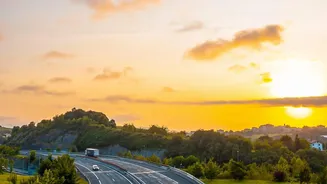
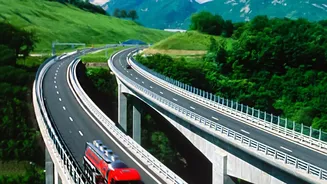
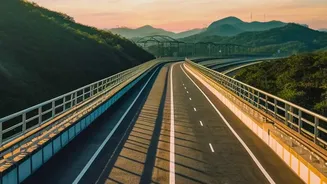
This cultural shift is powerfully enabled by a physical one: India's rapidly expanding and improving highway network. The government has overseen a massive expansion, increasing the national highway network by over 60% since 2014. New arteries like the Delhi-Mumbai Expressway and the Delhi-Dehradun Expressway are slashing travel times, making previously distant locations viable for a weekend trip. Driving from Delhi to Dehradun, once a 6-7 hour slog, now takes just 2.5 hours. This infrastructural upgrade doesn't just make travel faster; it makes it safer and more comfortable, encouraging families and individuals to choose their car over a train or plane. Recent data from Uber shows that while metro-to-metro routes remain busy, the fastest growth is on routes connecting to Tier-2 cities and leisure destinations.
Flexibility and Freedom on Four Wheels
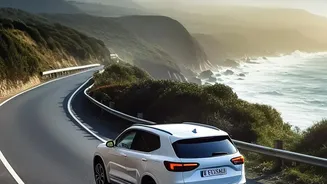
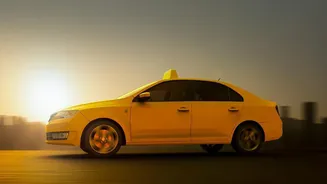
Beyond better roads, the appeal of a road trip lies in the unparalleled freedom it offers. There are no rigid flight schedules, no baggage limits, and no need to book expensive local taxis upon arrival. Travellers can set their own pace, linger longer in a place they love, or change their plans on a whim. This flexibility is a core tenet of the 'anti-itinerary' trend, where travellers book their transport and first night's stay, but leave the rest open to discovery. This spontaneity is especially appealing in a post-pandemic world where impromptu trips and short-haul getaways have become the norm. The ability to pack up the car and go, whether for a planned vacation or a last-minute escape, is a powerful driver of the road trip's enduring popularity.
The Economics of the Open Road
While not always the case, for families or groups, road trips can often be significantly more economical than air travel. The cost of fuel, tolls, and food, when split among several people, can be far less than the price of multiple flight tickets, especially during peak season. This trend also has a positive impact on local economies. Road travellers spend money at small dhabas, independent guesthouses, and with local craftspeople, spreading the economic benefits of tourism beyond the major hubs. As the government encourages the development of homestays, road travel empowers tourists to directly support these small-scale entrepreneurs, fostering a more sustainable and equitable tourism model.
The Journey as the Reward
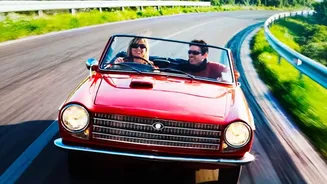
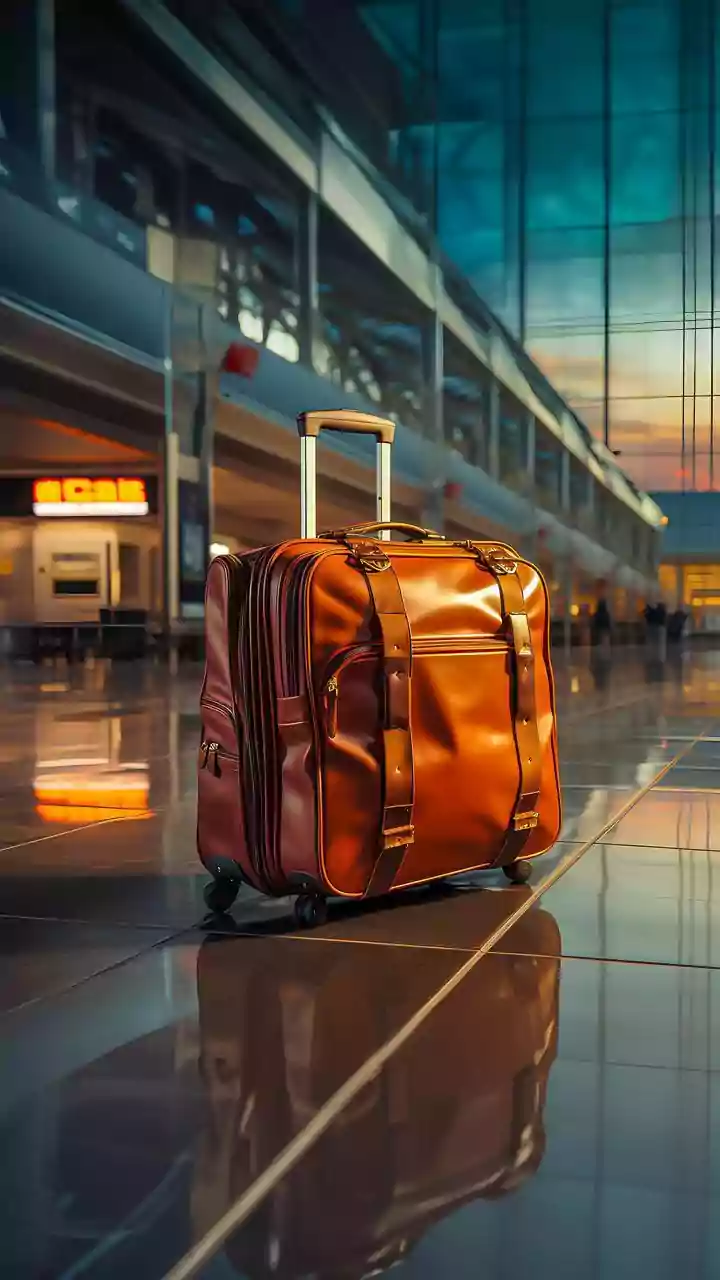
Ultimately, the growing preference for road travel is about more than just convenience or cost; it's a redefinition of what a holiday should be. It's about trading the sterile environment of an airport lounge for the vibrant, ever-changing landscape of the Indian countryside. It is the understanding that the journey itself—the shared laughter, the curated playlists, the unexpected discoveries—is as valuable, if not more so, than the destination. As more Indians seek authenticity and connection in their travels, the open road offers a path not just to a place on a map, but to a richer, more meaningful experience.