





A Cow Under Pressure
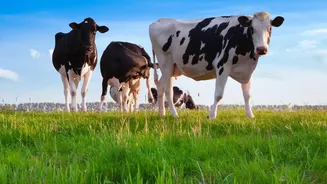
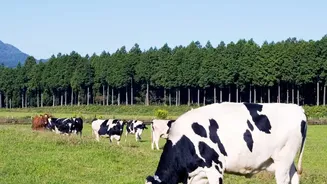
Like humans, dairy cows are warm-blooded mammals that need to maintain a stable internal body temperature. They begin to feel the strain when the Temperature-Humidity Index (THI), a measure combining heat and moisture, surpasses a certain threshold. Unlike
us, cows can't sweat effectively to cool down. To cope, they pant, eat less, and spend more energy just trying to stay cool. This state, known as heat stress, isn't just about discomfort; it triggers a cascade of physiological changes. The cow's immune system can weaken, making it more susceptible to infections like mastitis, an udder inflammation. This directly impacts their health and the milk they produce.
The Impact on Milk Quality
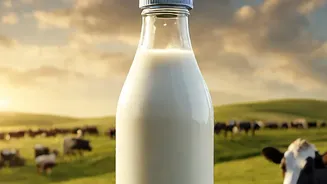
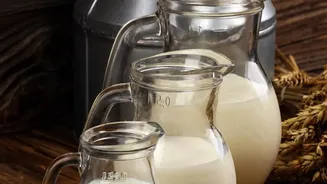
The first and most direct consequence of a cow eating less and spending more energy on cooling is a drop in milk production, sometimes by 10-25%. But the issue goes beyond quantity. The very composition of the milk changes. Studies show that milk from heat-stressed cows often contains lower levels of fat and protein, which are crucial components for both nutritional value and for making dairy products like cheese and yogurt. Furthermore, heat stress can alter the milk's microbial balance, potentially favoring bacteria associated with spoilage and reducing its shelf life. Research has also pointed to a reduction in beneficial fatty acids and an increase in off-flavor compounds in milk from affected cows.
The Risks for Consumers
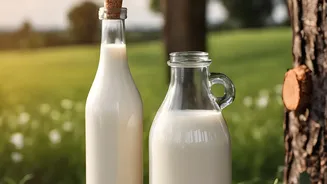
So, what does this mean for the person drinking the milk? The primary risk is nutritional. A reduction in protein and beneficial fats means the milk you buy might be less nutritious than you expect. While pasteurisation ensures the milk is safe from harmful pathogens, changes in the milk's natural composition and higher initial bacterial counts can affect its quality and freshness. Some research has shown that heat stress can lead to an increase in Somatic Cell Count (SCC) in milk, which is an indicator of udder inflammation. While regulated, a higher count points to a less healthy animal and can affect the milk's processing properties. The change in milk's chemical profile may also impact taste and consumer acceptability.
Economic Ripples in the Supply Chain
The economic impact of heat stress is substantial, with the dairy industry facing losses estimated in the billions annually. These losses come from reduced milk volume, lower milk quality (which fetches a lower price), decreased reproductive success in cows, and higher healthcare costs for the animals. These farm-level costs don't just disappear; they are often passed down the supply chain. Dairy processors face challenges with inconsistent raw materials, which can affect production efficiency for everything from butter to milk powder. Ultimately, these increased costs and supply instabilities can contribute to higher prices for dairy products at the grocery store, affecting household budgets.
Cooling Down the Crisis
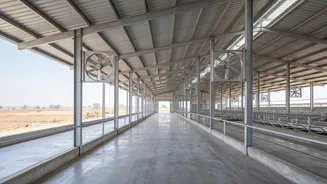
The dairy industry is actively working on solutions to mitigate heat stress. On farms, this includes both simple and high-tech strategies. Providing ample shade and clean drinking water is the first line of defense. Many modern dairy barns are now equipped with advanced ventilation systems, including large fans and misters that create a cooling evaporative effect. Some systems use soakers that douse the cows in water, followed by high-speed fans to quickly cool them. Farmers are also adjusting feeding routines to the cooler parts of the day and modifying feed formulations to support cows' nutritional needs during hot periods. These measures are crucial not only for animal welfare but for ensuring the stability and quality of our food supply.