



Why Your First Meal Matters
The way you start your day sets the tone for your energy and cravings for hours to come. A breakfast high in simple carbohydrates and sugar—like a sugary cereal, white bread toast with jam, or a glass of fruit juice—can cause a rapid spike in your blood
glucose. This is often followed by a 'crash' that leaves you feeling tired, irritable, and hungry long before lunch. The goal is to choose a breakfast that provides sustained energy. A balanced meal helps slow down the absorption of sugar into the bloodstream, preventing those sharp peaks and valleys. This not only helps manage blood sugar but also supports stable mood, better focus, and can prevent overeating later in the day.
The Golden Trio: Protein, Fibre, and Fat
The formula for a blood-sugar-friendly breakfast is surprisingly simple and revolves around three key components: protein, fibre, and healthy fats. Protein, found in foods like eggs, Greek yoghurt, paneer, and dals, is complex for the body to break down, which slows digestion and buffers the impact of any carbohydrates you eat. Fibre, present in vegetables, whole grains, and seeds like chia and flax, acts similarly. It's largely indigestible, which means it helps slow down how quickly sugar enters your bloodstream. Healthy fats from sources like avocados, nuts, and seeds also contribute to satiety and help stabilise the body's response to the meal. Pairing a carbohydrate with these elements is the key to avoiding 'naked carbs' and ensuring a steady release of energy.
Idea 1: Moong Dal or Besan Chilla
A classic Indian breakfast, the chilla (a savoury pancake) made from moong dal or besan (gram flour) is an excellent choice. Both are low on the glycemic index and packed with protein and fibre. To make it even more effective, add finely chopped vegetables like spinach, onions, and tomatoes to the batter. This increases the fibre content further. You can serve it with a side of plain curd or a mint chutney. This meal is filling, delicious, and takes very little time to prepare, providing a perfect balance of protein and complex carbs to start your day steady.
Idea 2: Egg or Paneer Bhurji
Eggs are a powerhouse of protein and contain virtually no carbs, making them a fantastic option for blood sugar control. Scrambled eggs, or bhurji, cooked with plenty of vegetables like onions, tomatoes, and capsicum, adds valuable fibre. For a vegetarian alternative, crumbled paneer offers a similarly high-protein, low-carb base. Pair the bhurji with one slice of whole-grain toast instead of white bread. The fibre in the whole grain is digested more slowly, preventing a sharp glucose rise. This savoury and satisfying meal keeps you full and focused through the morning.
Idea 3: Greek Yoghurt with Berries and Nuts
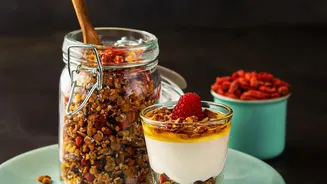
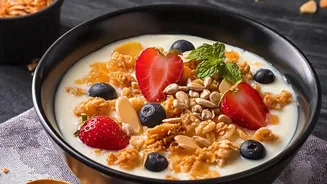
For a breakfast that requires zero cooking, a bowl of unsweetened Greek yoghurt is a brilliant option. It contains significantly more protein than regular yoghurt. Top it with a handful of berries like strawberries or blueberries, which are fruits with a lower glycemic impact. Add a sprinkle of nuts and seeds, such as almonds, walnuts, or chia seeds, for a boost of healthy fats and fibre. This combination is not only quick and easy to assemble but also provides a well-rounded mix of protein, fat, and fibre that keeps blood sugar levels remarkably stable.
Idea 4: Savoury Oats Upma
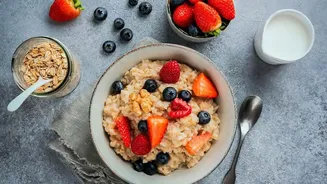
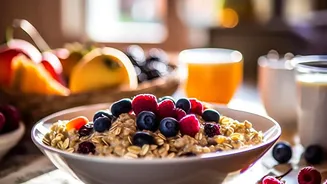
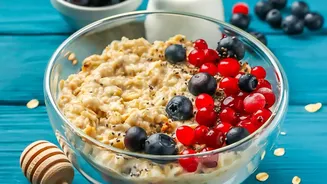
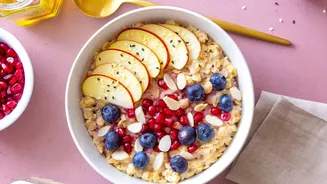
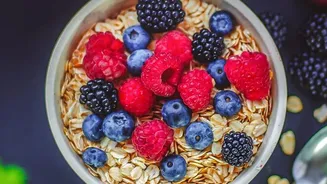
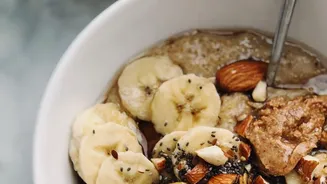
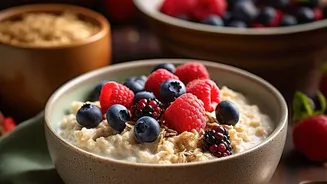
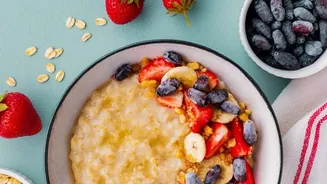
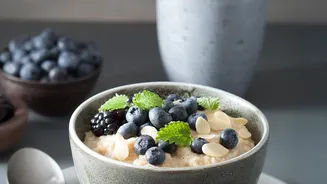
Oats are rich in a type of soluble fibre called beta-glucan, which is known to help slow glucose absorption. However, it's important to choose steel-cut or rolled oats over instant, flavoured varieties that often contain added sugar. Instead of a sweet preparation, try a savoury oats upma. Cook the oats with vegetables like peas, carrots, and beans, and add peanuts or other nuts for protein and healthy fats. This turns a simple carbohydrate into a balanced meal that digests slowly and supports steady energy levels throughout the morning.