




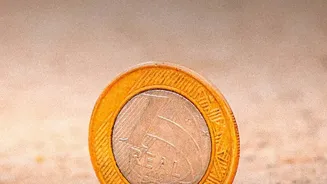


What Exactly Is Exchange-Rate Risk?
Exchange-rate risk, or currency risk, is the possibility that your money will be worth less in a foreign country due to changes in currency values. For an Indian traveller, this means the rupee might weaken against the dollar, euro, or baht between the time
you plan your trip and the time you spend your money. For example, a trip budgeted at ₹2,50,000 when the exchange rate is favourable could suddenly cost ₹2,80,000 if the rupee's value drops. This risk applies to everything from hotel bookings and tours to the coffee you buy at your destination, potentially increasing your costs by 15-20%.
The On-the-Ground Trap: Dynamic Currency Conversion
One of the most common ways travellers lose money is through Dynamic Currency Conversion (DCC). This happens when a shop, restaurant, or foreign ATM asks if you'd like to pay in Indian Rupees (INR) instead of the local currency. While it sounds convenient to see the price in a familiar currency, it’s a trap. By choosing to pay in INR, you are allowing the merchant to set their own, often unfavorable, exchange rate and add extra fees. The savings are clear: always choose to pay in the local currency of the country you're in. Your own bank or card issuer's conversion rate will almost always be better.
Lock It In: The Power of Prepaid Forex Cards
One of the most effective tools to fight currency risk is a prepaid forex card. These cards allow you to load foreign currency at a specific exchange rate before you even leave home. This means the rate is 'locked in', protecting you from any future fluctuations. If the rupee weakens after you've loaded your card, your travel budget remains unaffected. Many modern forex cards can hold multiple currencies, making them ideal for trips spanning several countries. They are widely accepted like a debit card and can be used for both in-store payments and ATM withdrawals, often with lower fees than standard credit or debit cards.
Finding the Right Mix: Cash, Cards, and Strategy
While a forex card is a powerful tool, the smartest strategy is to use a mix of payment methods. Carry a small amount of local currency in cash for immediate expenses like taxis or small purchases where cards might not be accepted. Exchanging a bulk amount of currency before your trip at an authorised dealer in India is usually cheaper than doing it at an airport kiosk abroad. For other expenses, a forex card is your best bet. You can also use a credit or debit card as a backup, but make sure to inform your bank of your travel plans and be aware of their foreign transaction fees.
Smart Planning Before You Go
Managing exchange-rate risk starts before you pack your bags. If possible, book and pay for major expenses like flights and hotels in advance, especially if you can pay in INR. This locks in a significant portion of your costs. It's also wise to monitor exchange rates in the weeks leading up to your trip. Some platforms allow you to set rate alerts to help you decide on the best time to purchase your foreign currency. By planning ahead, you can turn currency conversion from a source of stress into a strategic advantage, ensuring you get the most out of your travel budget.