








Embrace Warm, Nourishing Soups
There's nothing more comforting than a hot bowl of soup on a rainy day. During the monsoon, the digestive system can become sluggish. Light, warm soups are easy to digest and provide essential nutrients without overburdening your gut. Opt for clear soups made
with seasonal vegetables like bottle gourd (lauki), carrots, and tomatoes. A simple moong dal soup, seasoned with a pinch of turmeric and black pepper, is an excellent protein-rich choice that aids digestion and keeps you warm. Adding ingredients like ginger and garlic can further boost their immunity-supporting properties and help combat common colds.
Power Up with Immunity-Boosting Spices
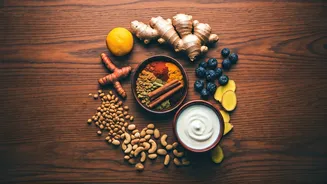
The Indian spice box is a treasure trove of wellness, especially during the monsoon. Spices not only add flavour but also possess powerful medicinal properties. Turmeric (haldi) is a potent anti-inflammatory and antioxidant. Ginger (adrak) is fantastic for soothing a sore throat and fighting nausea. Garlic (lehsun) has known anti-bacterial and anti-viral qualities. Black pepper (kali mirch) helps improve digestion and nutrient absorption. A pinch of asafoetida (hing) in your dals and sabzis can prevent gas and bloating, common issues in this season. Incorporating these spices into your daily cooking is an easy way to fortify your body's defences.
Choose Your Vegetables Wisely
The dampness of the monsoon can increase the risk of contamination, especially in leafy green vegetables. While you don't have to avoid them completely, it's crucial to wash them thoroughly in clean water, perhaps with a bit of salt or vinegar. A safer bet is to focus on vegetables that grow on vines and are less exposed to soil-borne germs. Gourds like lauki, tinda (apple gourd), parwal (pointed gourd), and tori (ridge gourd) are excellent choices. They are light, easy to digest, and rich in water content. Steaming or cooking them in simple preparations is preferable to heavy, oily curries.
Sip on Herbal Concoctions
While a hot cup of masala chai is a monsoon ritual, frequent consumption of milky, sugary tea can sometimes lead to acidity. Consider switching to or supplementing with herbal teas and concoctions (kadha). A simple brew of tulsi leaves, ginger, and a few peppercorns boiled in water can work wonders for a scratchy throat and chest congestion. Another great option is lemon and honey in warm water, which provides a dose of Vitamin C and soothes the throat. These hydrating drinks help flush out toxins and keep you warm from the inside.
Make Smart Snacking Choices
The craving for fried, crispy snacks intensifies when it rains. While indulging in pakoras occasionally is fine, making it a daily habit can wreak havoc on your digestion. Street food, in particular, poses a higher risk due to potential water contamination. Instead, opt for healthier alternatives. Roasted corn on the cob (bhutta), seasoned with lemon and salt, is a classic, healthy monsoon snack. Other good options include steamed momos, homemade vegetable idlis, or air-fried/baked sweet potato fries. These choices satisfy your cravings without the excess oil and risk.
Go for Gut-Friendly Probiotics
A healthy gut is the foundation of a strong immune system. The monsoon can disrupt the balance of good bacteria in your digestive tract. Including probiotics in your diet can help restore this balance. Homemade yogurt (dahi) and buttermilk (chaas) are excellent natural sources of probiotics. A glass of buttermilk seasoned with roasted cumin powder and rock salt after your lunch can significantly improve digestion and prevent bloating. Avoid heavy dairy products like cheese and cream, which can be harder to digest.