
The Science of Delicious Browning
When food develops that irresistible colour and flavour, two key chemical reactions are at play: the Maillard reaction and caramelization. Though often grouped together, they are distinct processes. The Maillard reaction is a complex dance between amino
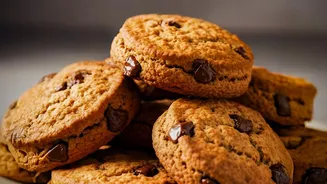
acids (from proteins) and reducing sugars that begins around 140°C. This reaction is responsible for the savoury, complex flavours of a seared steak, roasted coffee, and bread crust. Caramelization, on the other hand, is simpler: it’s what happens when sugars themselves break down with heat, generally at higher temperatures above 160°C. It creates the sweet, slightly nutty, and sometimes bitter notes in things like caramel sauce or the crispy edges of a cookie. Understanding that browning isn't just one thing is the first step to controlling it.
Problem: My Food Browns Too Fast
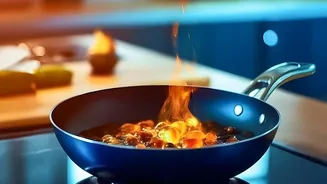
If your food is burning on the outside while staying raw inside, your pan or oven is almost certainly too hot. A screaming hot pan might seem ideal for searing, but excessive heat can cause the exterior to scorch before the interior has a chance to cook through. This is especially true for thicker cuts of meat or delicate items. Another major culprit is moisture. If you don't pat your ingredients—like meat or vegetables—completely dry, the initial heat is spent turning that surface water into steam. By the time the water has evaporated and browning can begin, the pan is often too hot, leading to a rapid, uneven sear. Finally, high-sugar content, either from a marinade or the food itself, can cause rapid browning because sugar caramelizes and burns quickly. To fix this, moderate your heat, always pat food dry with paper towels, and be mindful of sugary coatings.
Problem: My Food Won't Brown at All
The most common reason for pale, unappealing food is a lack of heat and too much crowding. If you don't preheat your pan properly, the food begins to cook slowly and release its juices before the surface gets hot enough for the Maillard reaction to kick in. The result is food that steams and simmers in its own liquid instead of searing. Overcrowding the pan is a similar issue. Piling too much food into a skillet causes the pan's temperature to drop dramatically and traps steam. Instead of a sizzle, you get a sad, steamy situation. To get a beautiful, even browning, make sure your pan is properly preheated—you should feel a strong heat radiating from it. Then, cook in batches, leaving plenty of space between each piece of food to allow moisture to escape and the pan to stay hot. Don't be too eager to move the food around, either; constant contact with the hot surface is necessary for a crust to form.
Mastering the Oven
The same principles apply to roasting and baking. An oven set too low won't trigger browning, while one set too high can crack a cake top or burn the bottoms of cookies. For most baked goods, a golden-brown finish develops between 175°C and 220°C. The middle rack usually provides the most even heat for consistent browning. If your bake is cooked through but looks pale, you can move it to a higher rack for the last few minutes or give it a very brief blast under the broiler, watching it carefully to prevent burning. Also, consider your bakeware. Dark metal pans absorb more heat and will brown food faster and more aggressively than light-coloured or glass pans. An egg wash (egg mixed with milk or water) can also be brushed on pastries and breads to enhance browning, as it adds extra proteins and sugars to the surface.