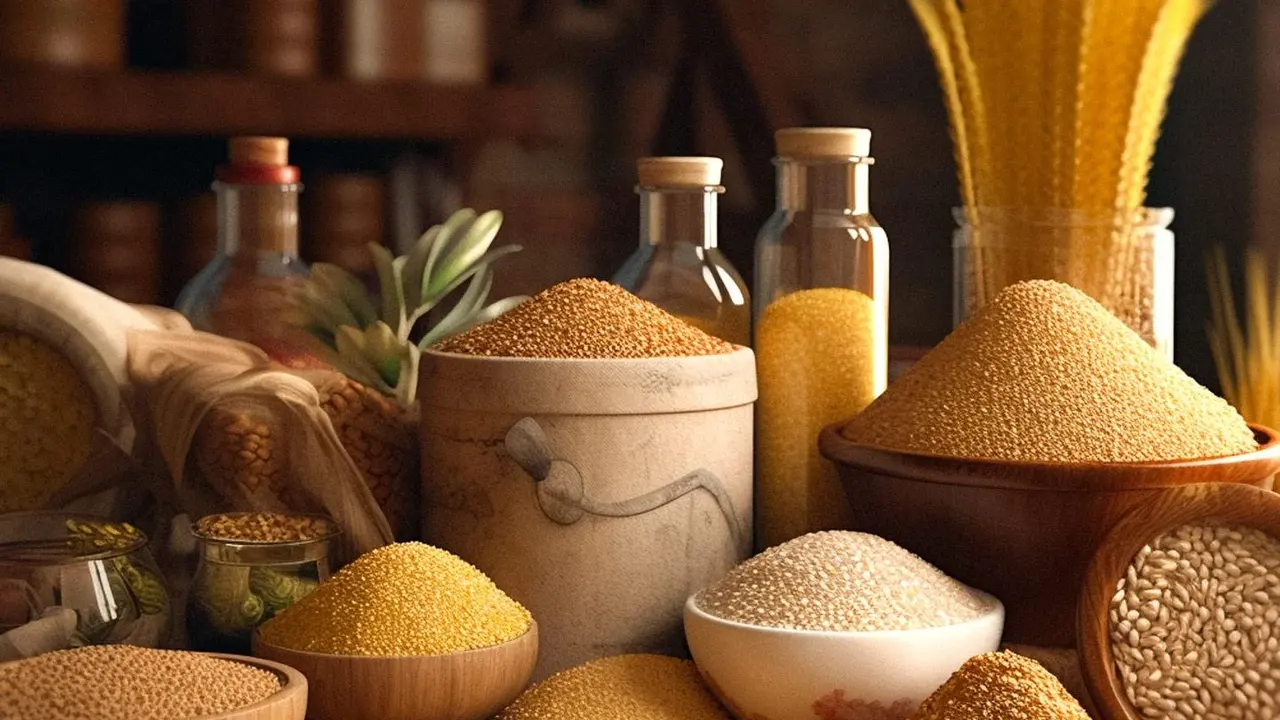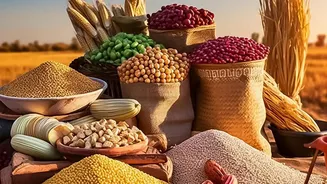




Ancient grains are making a big comeback in Indian kitchens, and for good reason. Packed with nutrients, they offer a wholesome alternative to everyday staples. This guide will demystify two popular choices: versatile millets and nutty spelt.
A Quick Intro to Ancient Grains
The term
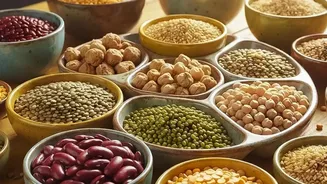
'ancient grains' refers to grains that have remained largely unchanged by selective breeding over thousands of years. Unlike modern wheat or rice, these grains are closer to their original forms, often boasting a richer profile of fibre, protein, and minerals. Their resurgence is driven by a renewed interest in traditional, nutrient-dense foods. Millets and spelt are excellent starting points for anyone looking to explore this diverse food group.
Meet the Mighty Millets
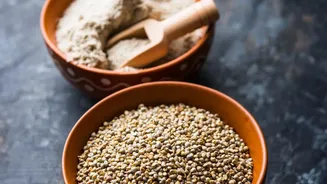
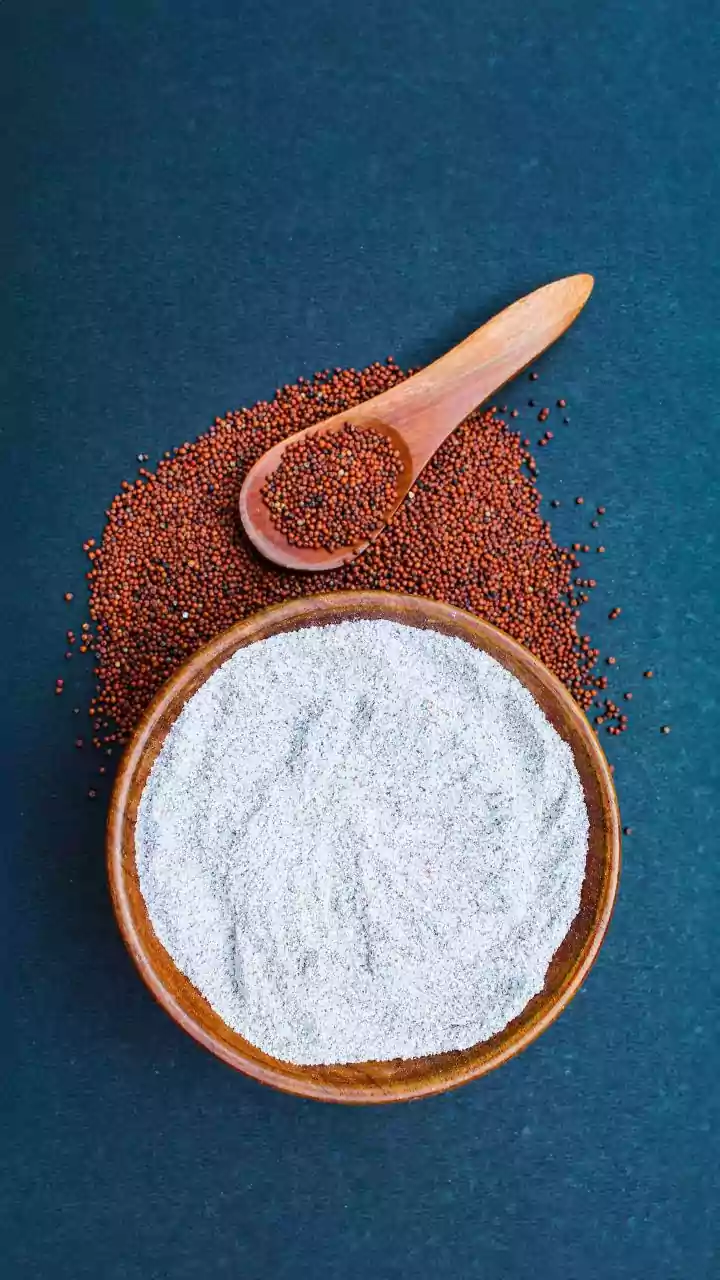
Millets are a group of small-seeded grasses that have been a staple in India for centuries, especially in dry regions. You might already be familiar with popular varieties like bajra (pearl millet), jowar (sorghum), and ragi (finger millet). Naturally gluten-free, millets are celebrated for their high fibre content, which aids digestion and helps in maintaining steady blood sugar levels. They are also a good source of minerals like iron, calcium, and magnesium, making them a nutritious addition to any diet.
How to Cook Perfect, Fluffy Millets
Cooking millets is as easy as cooking rice once you know the basics. The key lies in the water ratio and soaking. For most varieties like foxtail, kodo, or little millet, soaking the grains for 4-8 hours is recommended. This softens them, reduces cooking time, and makes their nutrients more available. After soaking, drain the water. For a fluffy, rice-like texture, use a ratio of 1 cup of millet to 2 or 2.5 cups of water. Bring the water to a boil, add the rinsed millet, reduce the heat to low, cover, and simmer for 15-20 minutes until all the water is absorbed. Avoid stirring, as this can make them mushy. Let it rest, covered, for 5-10 minutes before fluffing with a fork.
Everyday Ideas for Using Millets
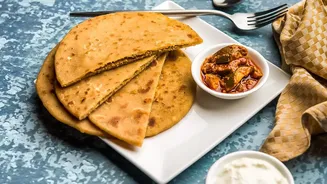
Millets are incredibly versatile. You can use cooked millets as a direct substitute for rice to serve with dal and curries. Start your day with a nutritious breakfast of millet upma or porridge. For a hearty lunch, try making a millet khichdi or pulao packed with vegetables. Cooled, cooked millets are also a fantastic base for salads, adding a wonderful texture and nutty flavour. You can also use millet flour to make traditional rotis, bhakri, or dosas.
Spotlight on Spelt: The Chewy Grain
Spelt is an ancient species of wheat known for its distinct, nutty flavour and satisfyingly chewy texture. Unlike millets, spelt is not gluten-free, though some people find its gluten easier to digest than that of modern wheat. It is a great source of protein and fibre and provides essential nutrients like zinc and B vitamins. Spelt is typically sold as whole 'berries' (the whole grain) or as flour for baking.
A Simple Guide to Cooking Spelt Berries
Cooking whole spelt berries requires a bit more time than millets but is well worth the effort. While optional, soaking the berries overnight significantly cuts down the cooking time from about 90 minutes to around 45-60 minutes. After rinsing, combine 1 cup of spelt berries with 3 cups of water or broth in a saucepan. Bring the mixture to a boil, then reduce the heat to a simmer, cover, and cook until the grains are tender but still chewy. Once done, drain any excess water. The cooked grains hold their shape well, making them ideal for various dishes.
Delicious Ways to Enjoy Spelt
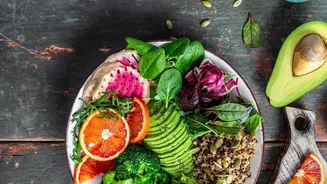
The robust texture of cooked spelt berries makes them a perfect addition to hearty soups, stews, and salads. You can use them as a base for grain bowls, topped with roasted vegetables and your favourite dressing. Because of its nutty taste, spelt pairs wonderfully with autumnal flavours. Spelt flour is also a popular choice for baking, lending a lovely texture and flavour to sourdough bread, muffins, and pancakes.