

Understanding the Midnight Heat Trap
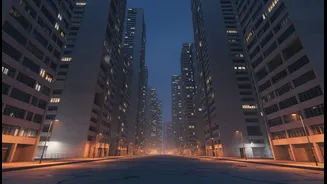
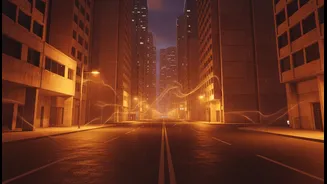
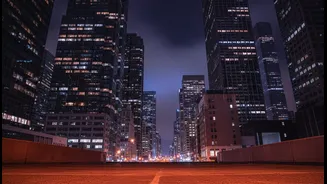
Urban areas packed with buildings and pavement create what is known as the 'urban heat island' effect. Materials like concrete are incredibly dense and have low specific heat, meaning they absorb the sun's energy quickly and hold onto it for a long time.
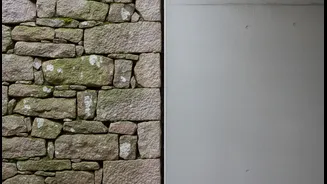
While a brick or concrete wall bakes in the afternoon sun, it stores that thermal energy. When outside temperatures drop after sunset, the walls of your building begin radiating all that stored heat back into your apartment. This is why your home can feel unbearably hot late at night, even when the air outside has cooled considerably, disrupting sleep and increasing health risks like dehydration and heat exhaustion.
Your First Line of Defence: Daytime Prevention
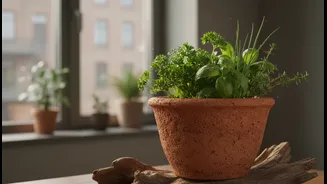
The most effective way to have a cooler night is to have a cooler day. Your primary goal should be to prevent solar heat from entering your home in the first place. Keep curtains and blinds shut on windows that receive direct sunlight, especially from late morning to late afternoon. Lighter-coloured or reflective curtains work best. If possible, use external shades like awnings or even temporary screens. If you have a terrace or balcony, potted plants can provide shade and contribute to a slightly cooler micro-environment through a process called transpiration. The less heat your concrete structure absorbs during the day, the less it will have to release at night.
Mastering Airflow: The Art of Cross-Ventilation
Strategic ventilation is your best tool for cooling once the sun goes down and the outside air is cooler than the air inside. The goal is to create a cross-breeze that pushes hot, stale air out and pulls cooler, fresh air in. Open windows on opposite sides of your home to create a natural wind tunnel. If your layout doesn't permit this, use fans creatively. Place a table fan facing out of one window to actively push hot air out. Then, open another window, ideally on the shadier side of the building, to allow cooler air to be drawn in to replace it. A ceiling fan, set to rotate counter-clockwise, will push air downwards, creating a welcome breeze.
Simple Science: Harnessing Evaporative Cooling
One of the oldest and most effective passive cooling techniques involves the power of evaporation. When water evaporates, it draws heat from the surrounding air, making it feel cooler. You can mimic this effect with simple, no-cost methods. Hang damp sheets or towels in front of an open window or a fan. As air passes through the damp cloth, it will cool down. Placing a shallow bowl of ice or cold water in front of a fan will have a similar, albeit smaller, cooling effect on the air it circulates. Taking a cool shower before bed not only provides immediate relief but also lowers your core body temperature, making it easier to fall asleep.
Rethink Your Sleep Sanctuary
High temperatures significantly disrupt deep sleep, which is critical for rest and recovery. To combat this, make your bed a cooler space. Switch to lightweight, breathable bedding made from natural fibres like cotton or linen, which are better at wicking away sweat than synthetic materials. If you live in a multi-story home, remember that heat rises. Sleeping on a lower floor, if possible, can make a significant difference. For many apartment dwellers, even moving a mattress to the floor can provide some relief, as the air is often slightly cooler closer to the ground.
Unplug and Switch Off Hidden Heat Sources
Many people underestimate the amount of heat generated by household appliances and electronics. Incandescent light bulbs, in particular, are notoriously inefficient, releasing most of their energy as heat rather than light. Switching to LED bulbs can make a noticeable difference. Unplug chargers and turn off electronics like televisions and computers when not in use, as they continue to generate heat even in standby mode. Avoid using the oven or stove during the hottest parts of the day; cooking generates a significant amount of heat and humidity inside your home.