



From Stigma to Style Statement
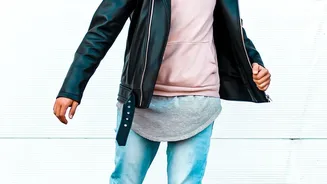
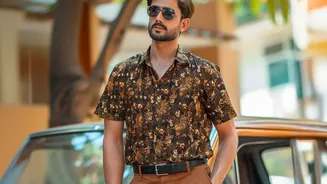
For generations, second-hand clothing carried a stigma. Today, that perception has been completely overturned. Young, urban Indians—primarily Gen Z and millennials—are proudly embracing thrifting as a conscious choice. This shift is about more than just
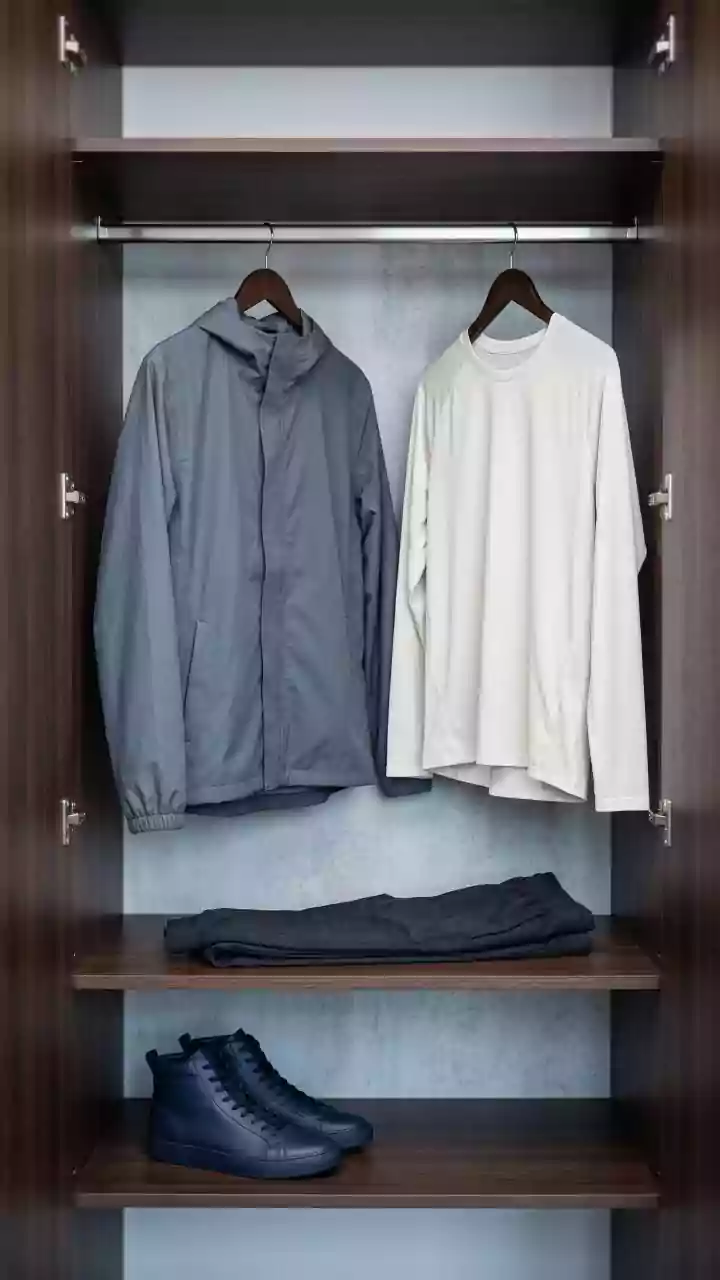
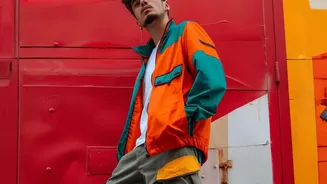
clothes; it reflects a deeper change in values. The disillusionment with the environmental and ethical costs of fast fashion has prompted a search for alternatives. Thrifting provides an answer, transforming pre-loved garments from something to be hidden into a badge of honour. It represents a move away from mindless consumption towards mindful style, where individuality and sustainability are the new currencies.
The Instagram Thrifting Boom
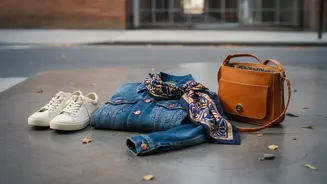
The engine of this cultural shift is social media. Instagram, in particular, has become a bustling marketplace for pre-loved fashion. Forget dusty, disorganized shops; today's thrift culture is powered by digital entrepreneurs who curate collections, style outfits, and create communities. These online stores often operate through 'drops,' releasing a selection of unique items that are quickly snapped up by eager followers. This digital-first approach has made thrifting accessible, trendy, and aspirational. It’s a treasure hunt for rare finds—from vintage jackets to unique accessories—all from the palm of your hand, fuelling a vibrant community of buyers and sellers.
More Than Just a Bargain
While affordability is certainly an attractive element of thrifting, the trend runs much deeper than just saving money. For many young shoppers, it's a powerful form of self-expression. In a world dominated by mass-produced apparel, thrifting offers a way to cultivate a unique personal style that stands out. Beyond aesthetics, there is a strong undercurrent of environmental consciousness. The fast-fashion industry is a major global polluter, responsible for significant water consumption, carbon emissions, and textile waste. India alone generates approximately 7,800 kilotonnes of textile waste annually. By choosing second-hand, consumers actively participate in reducing this environmental burden, making a statement that their fashion choices matter.
Decoding Circular Fashion
Thrifting is a cornerstone of a larger concept: circular fashion. Unlike the traditional linear model of 'take, make, dispose,' a circular system aims to keep garments in use for as long as possible. This means designing clothes for durability, repairing them when they break, and reselling or recycling them at the end of their life. Every time you buy a pre-loved garment, you are extending its lifecycle and diverting it from a landfill, where it could take centuries to decompose. This simple act reduces the demand for new production, which in turn saves massive amounts of water and energy and cuts down on pollution from textile dyeing and manufacturing. It’s a practical way to contribute to a more sustainable fashion industry, one outfit at a time.
A Beginner's Guide to the Hunt
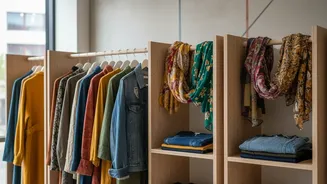
Ready to dive in? Start by exploring Instagram with hashtags like #thriftindia. Follow a few stores that match your aesthetic; many specialize in specific styles like Y2K, vintage, or designer wear. When you see something you like during a 'drop,' be prepared to act fast by commenting or sending a direct message as instructed. Beyond the digital world, cities like Delhi, Mumbai, and Pune have burgeoning offline thrift markets that offer a more traditional treasure-hunting experience. When shopping, pay attention to the condition of the garment, check for any flaws mentioned by the seller, and don't be afraid to ask for measurements to ensure a good fit. The beauty of thrifting lies in the discovery of unique pieces that tell a story.