








The Brain-Gut Connection
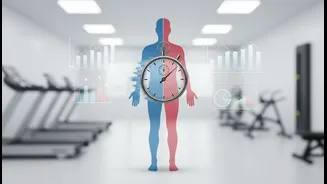
Have you ever finished a meal so quickly you barely registered eating it? You're not alone. The problem is, your brain needs time to catch up with your stomach. It takes approximately 20 minutes for your gut to send hormonal signals, like cholecystokinin
(CCK) and leptin, to your brain to let it know you're full. When you eat too fast, you can easily consume more food than you need before this crucial “I’m satisfied” message arrives. This disconnect between the mind and body is a primary reason why fast eating is often linked to overeating. You aren't giving your internal communication system the time it needs to function properly, leading you to feel uncomfortably full later.
Eating Speed and Body Composition
The habit of eating quickly isn't just about feeling bloated; research consistently shows a strong link between eating speed and body composition. Multiple studies have found that people who eat quickly are more likely to have a higher Body Mass Index (BMI) and be overweight or obese compared to those who eat slowly. One large study found that slow eaters were 42% less likely to be obese. A 2026 study conducted in Gujarat, India, specifically found that fast eaters had significantly higher BMI and, importantly, higher levels of visceral fat—the dangerous fat that surrounds internal organs. This suggests that slowing down isn't just about total weight, but also about where your body stores fat, which has major implications for long-term health.
Beyond Weight Management
The benefits of slowing down your meals extend far beyond weight and body fat. Proper digestion begins in the mouth. Chewing thoroughly breaks food down into smaller, more manageable pieces and mixes it with saliva, which contains enzymes that kick-start the digestive process. When you rush, you swallow larger pieces of food and more air, which can lead to indigestion, gas, and bloating. Furthermore, slower eating is linked to better nutrient absorption, as your digestive system is not overwhelmed and has time to process the food efficiently. Perhaps just as importantly, slowing down allows you to actually savour and enjoy your food, turning a rushed necessity into a pleasurable and mindful experience.
Practical Ways to Slow Down
Understanding the benefits is one thing, but putting it into practice during a busy week can be challenging. The goal is to build new, sustainable habits. Start by setting aside at least 20-30 minutes for each meal, free from distractions like the TV or your phone. Try putting your fork or spoon down between bites. This simple pause forces you to break the rhythm of continuous eating. Chewing each bite more thoroughly—aiming for 20-30 chews—can make a huge difference. Sipping water during your meal not only aids digestion but also helps you pace yourself. If you find it difficult, try eating with your non-dominant hand or using chopsticks; the awkwardness will naturally slow you down.
Making Mindful Meals a Reality
The concept of slowing down is part of a broader practice called mindful eating. It's about paying full attention to the experience of eating—noticing the colours, smells, textures, and flavours of your food. This doesn't have to be a complicated ritual. It can start with simply asking yourself if you are truly hungry before you eat. To make unhurried meals more feasible, a little planning goes a long way. Pre-chopping vegetables, batch-cooking staples like rice or dal over the weekend, or using a slow cooker can reduce stress during weekday meal times, making it easier to sit down and eat calmly instead of rushing through assembly and cooking.