

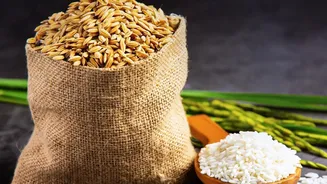
Want to make your daily meals healthier without a complete kitchen overhaul? The secret might be hiding in plain sight: India's own ancient grains. By simply mixing them with your regular rice, you can boost nutrition without a drastic change.
Why Bother With the Mix?
For generations,
polished white rice has been a staple on the Indian plate. It's familiar, easy to cook, and comforting. Yet, as we become more health-conscious, many are looking for an upgrade. Ancient grains like millets offer a powerhouse of nutrients that white rice often lacks. They are packed with dietary fibre, which aids digestion and keeps you feeling full for longer. This high fibre content also gives them a lower glycemic index, meaning they release sugar into the bloodstream more slowly, preventing the sharp energy spikes and crashes associated with refined carbohydrates. This makes them a smarter choice for managing blood sugar levels and weight. Furthermore, different millets bring their own unique benefits: ragi is a champion of calcium, great for bone health, while bajra is rich in iron. Mixing these grains with your rice is a simple way to get a wider spectrum of vitamins and minerals into your daily diet.
Your Grain Guide: Meet the Millets
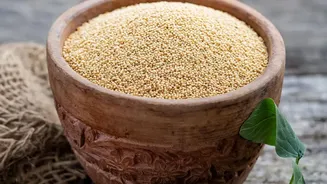
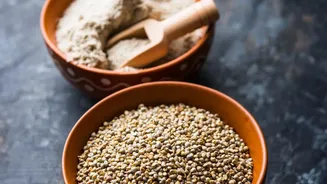
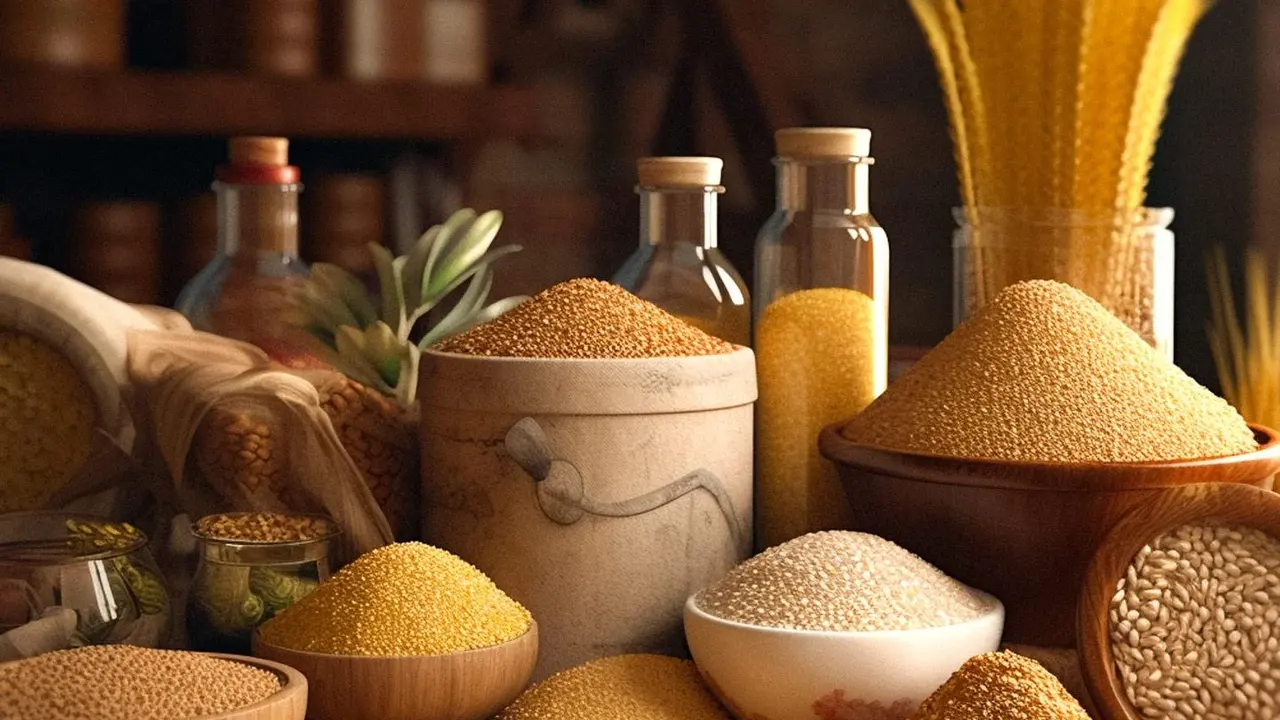
Before you start mixing, it helps to know the key players. These grains were staples in India long before polished rice became dominant and are making a well-deserved comeback. Here are a few to get you started: Jowar (Sorghum): A gluten-free grain that is light on the stomach and promotes good gut health. It has a mild flavour, making it an easy addition to many dishes. Bajra (Pearl Millet): Denser and known for its warming properties, bajra is traditionally popular in winter. It’s an excellent source of iron and magnesium. Ragi (Finger Millet): This tiny reddish grain is a nutritional giant, famously high in calcium—far more than most other grains. Its nutty flavour works well in both sweet and savoury preparations. Foxtail, Barnyard, and Kodo Millets: These are other versatile millets that are rich in fibre and minerals. They cook relatively quickly and can seamlessly blend with rice.
The Art of the Blend: Ratios and Cooking
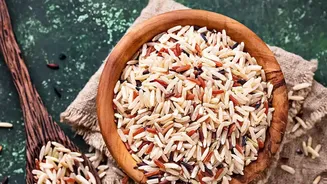
The beauty of this method is its flexibility; there's no single perfect formula. A great way to start is with a 3:1 ratio—three parts of your regular rice to one part millet. This introduces the new texture and flavour gently. You can begin by replacing just one of your daily rice meals with this blend. As your family gets accustomed to it, you can gradually increase the millet portion to a 2:1 or even a 1:1 ratio. When it comes to cooking, a little preparation helps. It's a good practice to rinse all grains thoroughly. Many millets benefit from soaking for at least 30 minutes to an hour, which softens them and makes them easier to digest. For cooking, the water ratio is key. Millets generally absorb more water than white rice, so a good starting point is 2 to 2.5 cups of water for every cup of grain mix. You can cook the blend in a pressure cooker (usually for 2-3 whistles on a low flame) or in an open pot just as you would with rice.
An Affordable Step Towards Health
One of the biggest hurdles to adopting a healthier diet can be cost. While some health foods come with a premium price tag, incorporating millets this way is budget-friendly. Instead of completely replacing your rice, you are simply augmenting it. This stretches your monthly grain budget further. While millet prices have seen some fluctuation recently, the strategy of mixing rather than fully substituting keeps the overall cost manageable. You are enhancing the nutritional value of every meal without having to buy entirely new, expensive ingredients for your pantry. Think of it as a small, incremental investment in your family's health that pays significant dividends in the long run without straining your wallet. You can find a variety of millets at local grocery stores and online platforms, allowing you to compare prices and find what works best for you.
Beyond the Rice Bowl
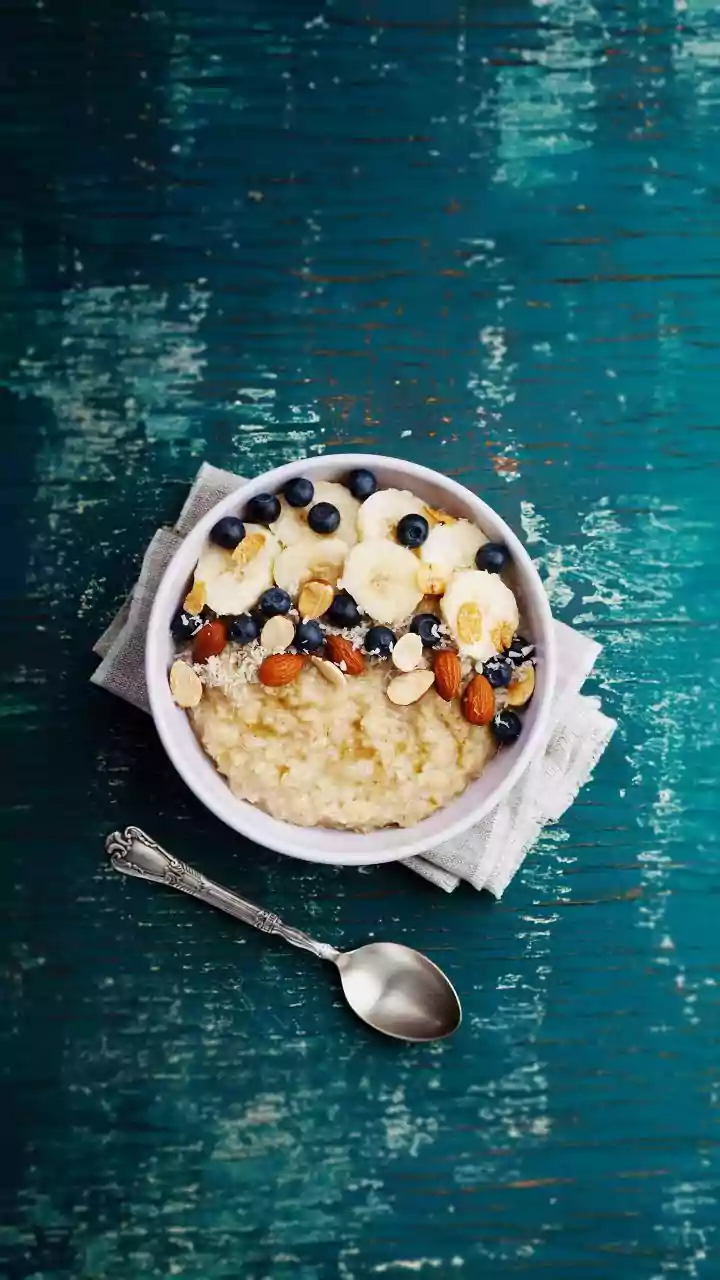
Once you're comfortable with mixing grains, you can explore other ways to welcome them into your kitchen. Millet flours like jowar, bajra, and ragi can be mixed with your regular wheat atta to make rotis with more fibre. Again, start with a small proportion, perhaps 30% millet flour, and see how you like it. These ancient grains also make wonderful breakfast porridges, upma, or can be used in dosa and idli batters. The return to these traditional foods isn't just about nutrition; it's about reconnecting with a rich food heritage that was designed for our climate and bodies. It's a simple, sustainable, and satisfying way to eat better.