


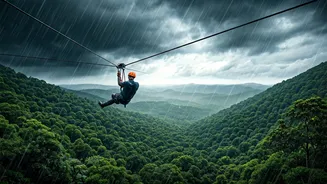


An Adventure in Defiance of Instinct
Rock climbing, by its very nature, is a sport of friction and trust. You trust your hands, your feet, and the solidness of the rock beneath you. Rain is typically the enemy—it turns reliable holds into slippery challenges and can make even familiar routes
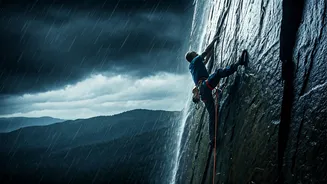
treacherous. Yet, a dedicated community of enthusiasts is turning this logic on its head. They aren't just tolerating the rain; they're actively seeking it out. Known as 'monsoon climbing' or 'wet rock climbing', this demanding discipline transforms a familiar crag into an entirely new and unpredictable vertical puzzle. It’s a deliberate choice to engage with nature at its most raw and unforgiving, requiring a completely different mindset and skillset than climbing on a clear, sunny day.
The Monsoon Mecca: India’s Western Ghats
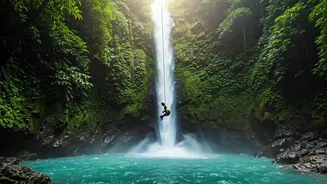
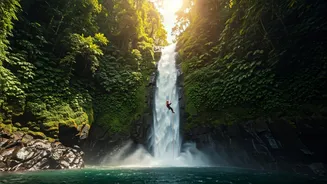
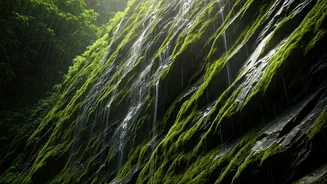
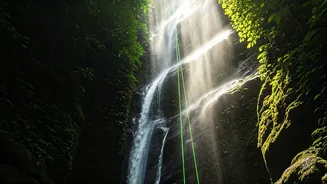
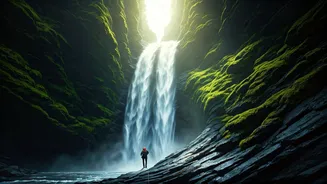
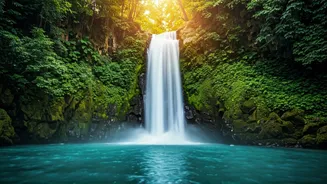
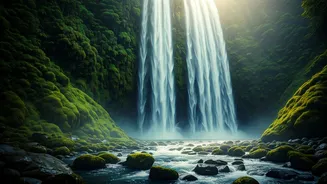
While climbing in the wet is a niche activity globally, it has found a unique and vibrant home in India’s Western Ghats. During the monsoon months, from June to September, this mountain range transforms into a lush, green paradise teeming with life, mist, and countless waterfalls. For climbers in regions like Maharashtra—near hubs like Lonavala, Malshej Ghat, and Bhivpuri—the season doesn't mean packing away their gear. Instead, it marks the beginning of a special season. The volcanic basalt rock common in this area holds up relatively well when wet, compared to more porous rock like sandstone, making it a viable, albeit slick, canvas for adventure. The experience is as much about the environment as the climb itself: ascending next to a roaring waterfall, with clouds drifting past, is a sensory experience far removed from a standard day at the crag.
The Recalibration of Skill and Senses
Climbing on wet rock is fundamentally different. The techniques that work on dry rock often fail. A firm grip becomes a delicate dance of pressure and balance. Climbers must rely less on raw power and more on subtle body positioning, finding friction where none seems to exist. Footwork becomes paramount; every placement must be precise and deliberate. Even the chalk that climbers use to keep their hands dry is rendered almost useless, forcing a return to the basics of movement. Mentally, it’s a far greater challenge. The constant dampness, the reduced visibility, and the knowledge that a slip is more likely requires intense focus and a calm mind. It's a test not of strength, but of nerve and adaptability.
A Calculated and Serious Risk
This thrill-seeking comes with significant and undeniable dangers. Wet rock is unpredictable. Holds can become loose or break off without warning. The risk of a fall is magnified, and the consequences can be severe. Hypothermia is another real threat, as being drenched in cool, rainy conditions for hours can dangerously lower body temperature, even in a tropical climate. Add to that the risk of rockfall from higher up the cliff and the potential for lightning strikes during a storm, and it becomes clear this is not a sport for the casual or unprepared. Safety is therefore non-negotiable. Experienced monsoon climbers meticulously check weather forecasts, climb in groups with seasoned leaders, and understand the specific routes that are relatively safer when wet. They carry appropriate gear and, most importantly, have the wisdom to turn back when conditions become too dangerous.
More Than Just an Adrenaline Rush
So, why do it? For those who practice it, monsoon climbing is about more than just conquering a difficult route. It's an immersive communion with nature. It’s about feeling the pulse of the season and finding a sense of peace and flow amidst the apparent chaos. The usual crowds are gone, leaving a profound sense of solitude and self-reliance. The beauty of a landscape washed clean by rain, with vibrant greens and the powerful sound of water, offers a reward that is spiritual as much as it is physical. It’s the ultimate expression of adapting to the environment rather than waiting for it to suit you—a philosophy that finds deep resonance in a country where the monsoon is not just weather, but a powerful force that shapes life itself.