







What Exactly is a Self-Transfer?
A self-transfer, sometimes called a 'hacker fare' or 'virtual interlining', is when you book two or more separate flights to get to your destination. Instead of a single booking with a connecting flight protected by the airline, you create your own connection
by purchasing individual tickets. For example, you might book a flight from Delhi to Dubai on one airline, and a separate flight from Dubai to London on another. While this can unlock significant savings and more flexible routes, it also makes you personally responsible for the connection. The airlines involved see each booking as a standalone journey.
The Departure Time Illusion
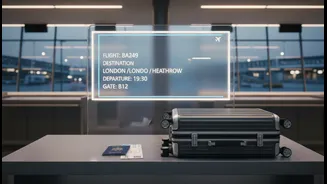
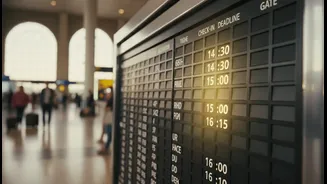
Here’s the trap many travellers fall into: they look at their second flight’s departure time and think that’s their target. If their first flight lands at 2 PM and the next departs at 5 PM, a three-hour layover seems perfectly adequate. But the departure time is the last thing that matters in this scenario. The most critical deadline is the check-in and baggage drop cutoff for your second flight. Airlines are strict about these deadlines, which are typically 45 to 60 minutes before domestic departure and can be up to 90 minutes for international flights. If you miss this window, you could be considered a no-show, even if the plane is still at the gate.
Why You Must Exit and Re-Enter
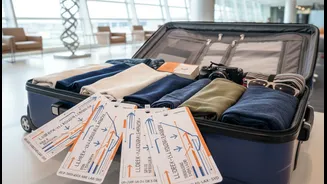
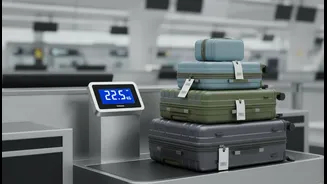
With a self-transfer, you are not a transit passenger. You are an arriving passenger from your first flight and a new departing passenger for your second. This means you must complete the full airport arrival and departure process. If you have checked luggage, you have to go to the baggage claim, wait for your bags, and then head to the departures hall to check in for your next flight and drop your bags off. After that, you must clear security screening all over again. If it’s an international connection, you’ll also need to go through immigration and customs to enter the country to collect your bags, which might have visa implications. Each of these steps takes time, and all must be completed before that crucial check-in deadline.
The High Cost of a Missed Connection
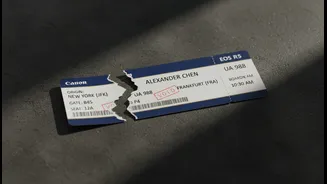
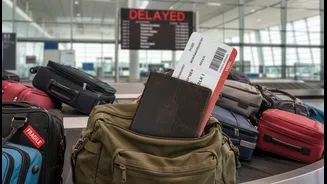
On a standard connecting flight booked on a single ticket, the airline is responsible for getting you to your final destination. If a delay causes you to miss your connection, they will rebook you on the next available flight at no extra charge. With a self-transfer, that protection is gone. If your first flight is delayed and you miss the check-in deadline for your second, the second airline has no obligation to help you. From their perspective, you simply failed to show up for your flight. You will likely have to buy a new, often expensive, last-minute ticket.
How to Plan a Safer Self-Transfer
Despite the risks, self-transfers can be a smart move if you plan carefully. The golden rule is to allow an abundance of time. For domestic self-transfers with checked luggage, a buffer of at least three to four hours is recommended. For international self-transfers, aim for a minimum of four to six hours, and even more if you need to change terminals or airports. Travelling with only a carry-on bag significantly reduces risk, as it eliminates the need to wait for luggage and re-check it, though you still may need to exit and re-clear security. Before booking, check the visa requirements for your layover country. Finally, look at your second flight's check-in deadline—not its departure time—and plan your entire journey backward from that moment.