







The Monsoon's Critical Role
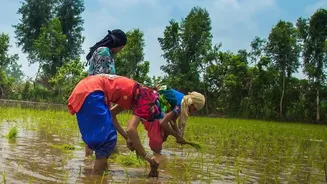
For millions of farmers across India, the monsoon is not just a season; it's the foundation of their livelihood. The four-month period from June to September delivers about 70% of the country's annual rainfall, replenishing reservoirs and enabling the cultivation
of Kharif (summer) crops. Nearly half of India's farmland lacks irrigation, making it entirely dependent on these seasonal rains. A healthy monsoon dictates the success of essential crops like rice, pulses, cotton, and oilseeds, which in turn influences rural incomes, consumer demand, and the nation's overall economic health. However, forecasts for 2026 pointed towards a below-normal season, with the India Meteorological Department (IMD) predicting rainfall could be significantly lower than the long-period average, largely due to developing El Niño conditions.
An Erratic and Uneven Season
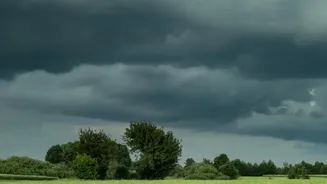
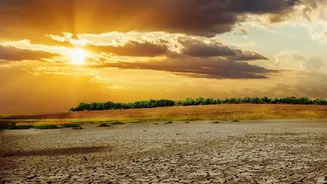
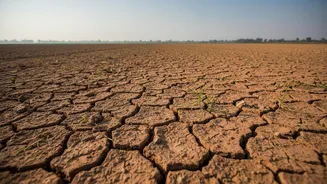
The 2026 monsoon season began with a concerning deficit, with June rainfall falling significantly below normal levels. While July brought a surge of rain that helped close the gap in some areas, the distribution has been highly uneven. As of mid-August, the cumulative national rainfall deficit stood at 12% below the long-period average. This figure hides a more complex reality: some districts have faced floods while hundreds of others have recorded deficient rainfall. This pattern of long dry spells punctuated by intense downpours is becoming more common, creating a dual threat of drought and flooding that can damage standing crops and disrupt supply lines. This variability is the real challenge, as a few days of heavy rain cannot compensate for weeks of dryness, which depletes soil moisture when crops need it most.
Crops and Sowing Under Pressure
The erratic rainfall has directly impacted Kharif sowing. As of mid-August 2026, the total area sown was about 2% lower than the previous year. Key crops have seen notable declines in acreage, with rice down by 3.7%, and maize and tur (pigeon pea) each down by 4%. These delays and reductions are worrying because the window for sowing is now effectively closed. The final harvest will depend entirely on the yield from the crops already in the ground, which are now entering a critical growth phase that requires consistent moisture through August and September. With the IMD forecasting below-normal rainfall for the remainder of the season, these crops are facing significant productivity risks.
The Ripple Effect on Supply and Prices
A shortfall in agricultural production has a direct knock-on effect on the food supply chain and consumer pockets. Lower yields of staples like pulses, cereals, and vegetables can lead to reduced availability in the market, driving up prices. The pressure is already being felt in the prices of everyday items like coriander, ginger, and garlic, which are highly sensitive to supply disruptions caused by erratic weather. A weak harvest also impacts rural incomes, which can depress consumer spending on other goods. The Reserve Bank of India has flagged the uneven monsoon as a key risk to food inflation, which is a major component of the overall Consumer Price Index (CPI).
Government Prepares for a Dry Spell
In response to the looming threat, the Indian government has been activating contingency plans. The Ministry of Agriculture has identified over 300 districts as vulnerable to a weak monsoon, with more than 100 of those designated as high-priority due to their limited irrigation infrastructure. States have been advised to promote the cultivation of less water-intensive crops like millets and pulses, and to repair and maintain water-harvesting structures like ponds and check dams. Officials have reassured the public that the country holds ample buffer stocks of essential staples like rice and wheat, which can be released to stabilize prices and ensure availability, minimizing immediate threats to food security. The government is also expanding access to crop insurance and farm credit to provide a safety net for farmers facing potential losses.