







Why Monsoon Magnifies Food Safety Risks
The magic of the monsoon—cool air, petrichor, and lush greenery—unfortunately comes with a significant health warning. The combination of high humidity and ambient moisture creates an ideal environment for bacteria, viruses, and fungi to thrive. This
is why food spoils faster and foodborne illnesses like gastroenteritis, typhoid, and cholera see a sharp spike during the rainy season. Waterlogging can lead to the contamination of public water supplies, while the damp conditions allow germs on raw produce to multiply rapidly. This doesn't mean you have to lock yourself indoors until the sun comes out, but it does mean that being a discerning diner is more important than ever. Understanding these risks is the first step toward making smarter choices.
Start with Water and Beverages
The number one rule for safe monsoon dining is to be sceptical of the water. Waterborne diseases are rampant, so this is not the time to take chances. Always opt for bottled water and check that the seal is intact before it's opened at your table. Politely refuse ice in your drinks, as it's often made from tap water that may not be filtered. Be equally cautious with anything made with large amounts of unboiled water. This includes fresh chutneys, juices from street-side vendors, and pani puri water, which are common sources of contamination. Stick to hot beverages like tea or coffee, or canned and bottled drinks.
Navigate the Menu Wisely
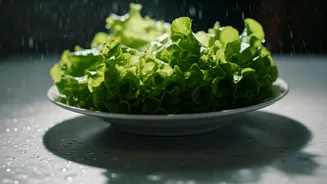
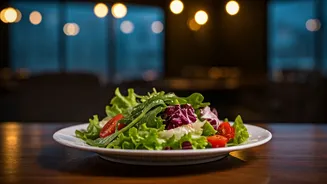
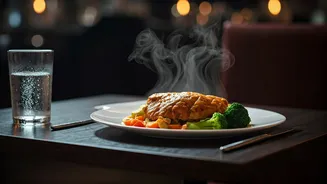
What you order plays a huge role in a safe dining experience. During the monsoon, it's best to avoid raw or lightly cooked foods. This includes salads, which might be made with leafy greens that are notoriously difficult to clean properly during this season. The dampness and grime in leafy vegetables make them susceptible to germs. Similarly, pre-cut fruits that have been sitting out are a risk. Opt for thoroughly cooked, piping hot dishes. The heat helps kill most harmful bacteria. Fried snacks can be a safer bet, provided they are prepared fresh in front of you in hot oil. Seafood should also be ordered with caution; ensure the restaurant is reputable and the seafood is fresh, not frozen and refrozen.
Assess the Restaurant's Overall Hygiene
A restaurant's commitment to hygiene extends beyond the kitchen. You can gather important clues from the moment you walk in. Are the tables clean? Is the floor dry and free of debris? Pay a visit to the washroom; its state is often a strong indicator of the establishment's overall cleaning standards. A clean washroom with soap and running water suggests a better attention to hygiene. Observe the staff as well. Do they have clean uniforms and trimmed nails? These small details reflect the management's attitude towards sanitation. The Food Safety and Standards Authority of India (FSSAI) often increases inspections during this season, so a well-maintained eatery is likely following prescribed guidelines.
The Street Food Dilemma
The craving for hot pakoras or bhutta while it's raining is a powerful one, but street food is riskiest during the monsoon. If you choose to indulge, be extremely selective. Choose vendors who are busy, indicating a high turnover of fresh food. Watch how they handle food and money—are they using gloves or tongs? Opt for food that is cooked at a very high temperature right in front of you. Avoid anything that has been sitting out, especially items like chutneys, sauces, or pre-made snacks. A vendor who keeps their ingredients covered and maintains a tidy cart is always a better choice than one who doesn't.