



The Welcoming Paw-Wash
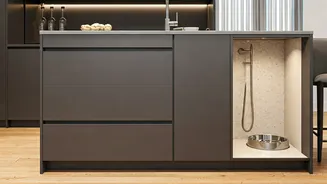
Forget the messy ritual of wrestling a muddy dog into the bathroom after a walk in the monsoon. The latest trend in pet-centric design is the dedicated 'paw-wash station'. Often integrated into a home's entryway or utility area, these are low, tiled nooks
with a handheld showerhead. They make cleaning muddy paws, sandy coats, or a post-park mess incredibly convenient. It’s a practical luxury that contains the mess to one specific zone, preserving the cleanliness of the rest of the house and signalling a home designed with real-life pet ownership in mind.
Floors and Fabrics That Forgive
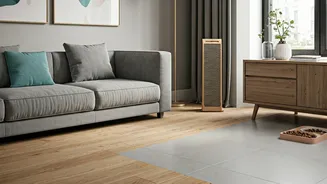
Pet owners know the constant battle against scratches, stains, and shedding. Designers are now proactively solving this by specifying pet-friendly materials from the start. This means choosing durable, non-slip flooring like matte-finish vitrified tiles or luxury vinyl that can withstand sharp claws and are easy to mop. For furniture, the focus is on high-performance fabrics. Crypton, Sunbrella, and other solution-dyed textiles that are resistant to stains, moisture, and odour are becoming go-to choices for sofas and chairs. Leatherette and velvet with a high rub count are also popular for being easy to wipe clean, ensuring the home looks stylish without being precious.
Integrated Nooks and Crannies
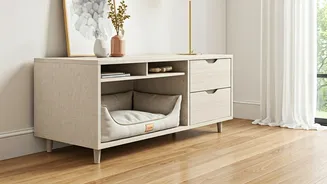
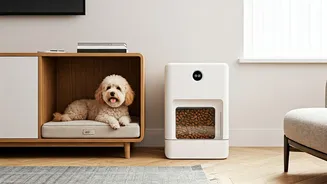
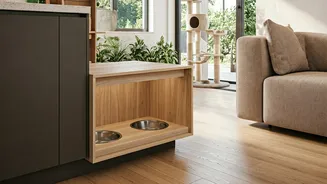
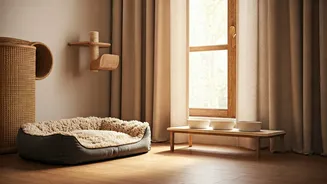
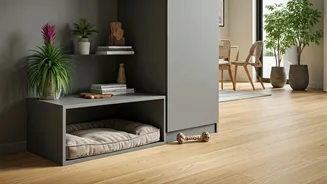
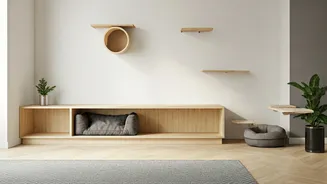
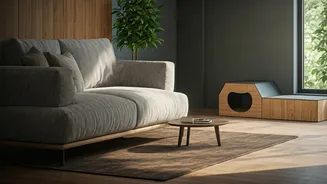
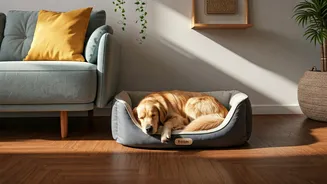
Clunky pet beds in the corner of the living room are being replaced by beautifully integrated, custom-built solutions. Architects are now designing cosy nooks under staircases, built-in beds within cabinetry in the master bedroom, or comfortable window seats for a cat’s afternoon nap. Feeding stations are also getting an upgrade. Instead of bowls that get kicked around, designers are creating recessed platforms in kitchen islands or custom furniture with designated spots for food and water bowls. This approach keeps things tidy, prevents spills, and seamlessly blends the pet's necessities into the home's overall aesthetic.
Prioritising Pet Safety by Design
A truly pet-friendly home is a safe one. This philosophy now extends beyond simply keeping things out of reach. It involves thoughtful design choices that mitigate everyday hazards. This includes routing electrical wires through conduits or hiding them behind custom panels to prevent chewing. Furniture with rounded, soft edges is preferred over sharp corners to prevent injury during a case of the 'zoomies'. Even plant choices are being curated, with homeowners opting for non-toxic indoor plants like areca palms, spider plants, and ferns to ensure their pets' safety.
Vertical Worlds and 'Catios'
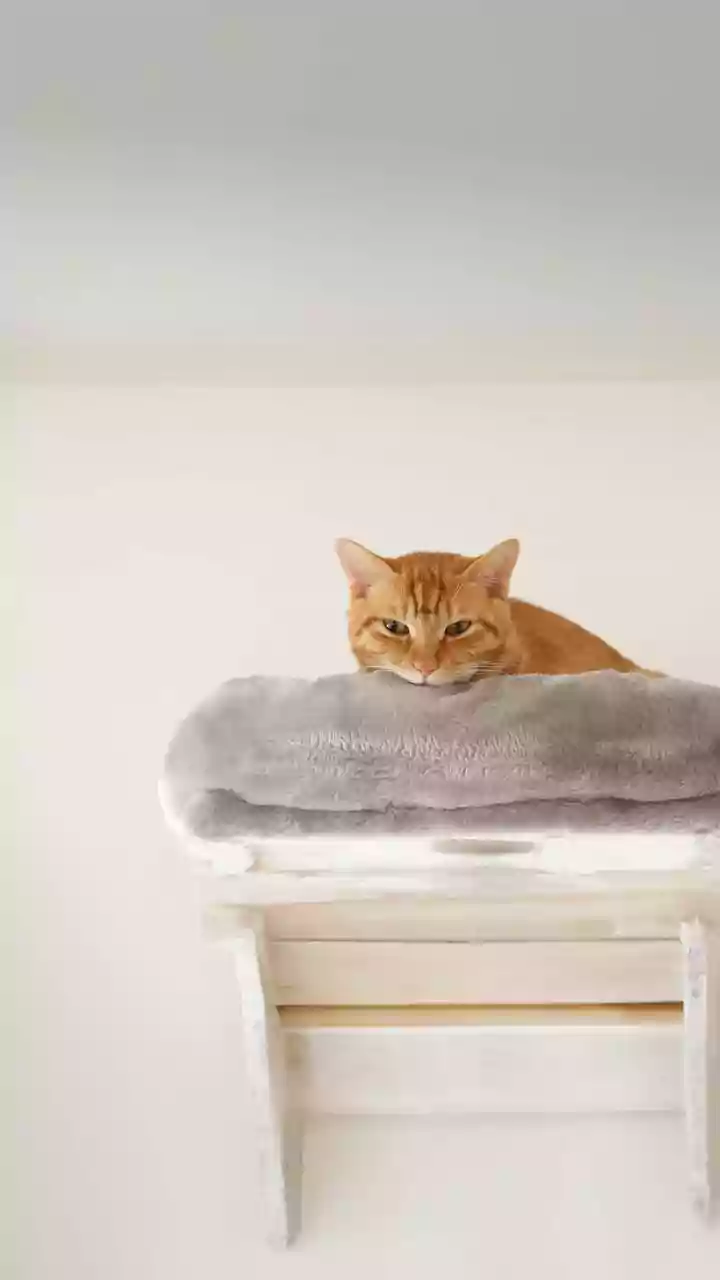
While dogs may rule the floor, cats own the vertical space. Recognising this, designers are creating environments that cater to felines' natural instincts to climb and perch. This can be as simple as installing a series of sturdy, fabric-topped wall shelves that create a path up a wall, or as elaborate as custom-built 'cat highways' near the ceiling. For apartment dwellers, the 'catio' (a cat-patio) has become a game-changer. These are secure, enclosed balconies or window boxes that allow indoor cats to experience the sights and sounds of the outdoors safely, enriching their lives immeasurably.