
The Unique Strains of Space Travel
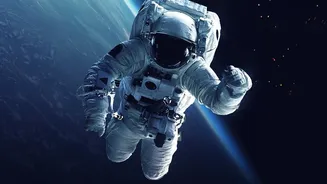
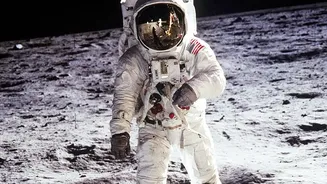
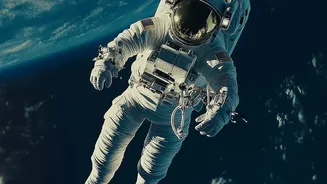
Living in space is incredibly demanding on the human body. Without Earth's gravity, astronauts face a barrage of physiological challenges. The most well-known effects are muscle atrophy and a significant loss of bone density, as the systems that support
our weight on Earth have little to do. This can lead to a loss of up to 20% of muscle mass in under two weeks. Beyond the musculoskeletal system, spaceflight also triggers a headward shift in bodily fluids, causing vision problems, and affects the cardiovascular system. Added to this is the constant exposure to cosmic radiation, which increases long-term health risks, and the psychological stress of isolation and confinement in a hostile environment. These combined factors, which NASA has termed the RIDGE risks (Radiation, Isolation, Distance from Earth, Gravity fields, and Hostile/closed environments), mean that keeping astronauts healthy is a monumental task.
Beyond Today's Space Menu
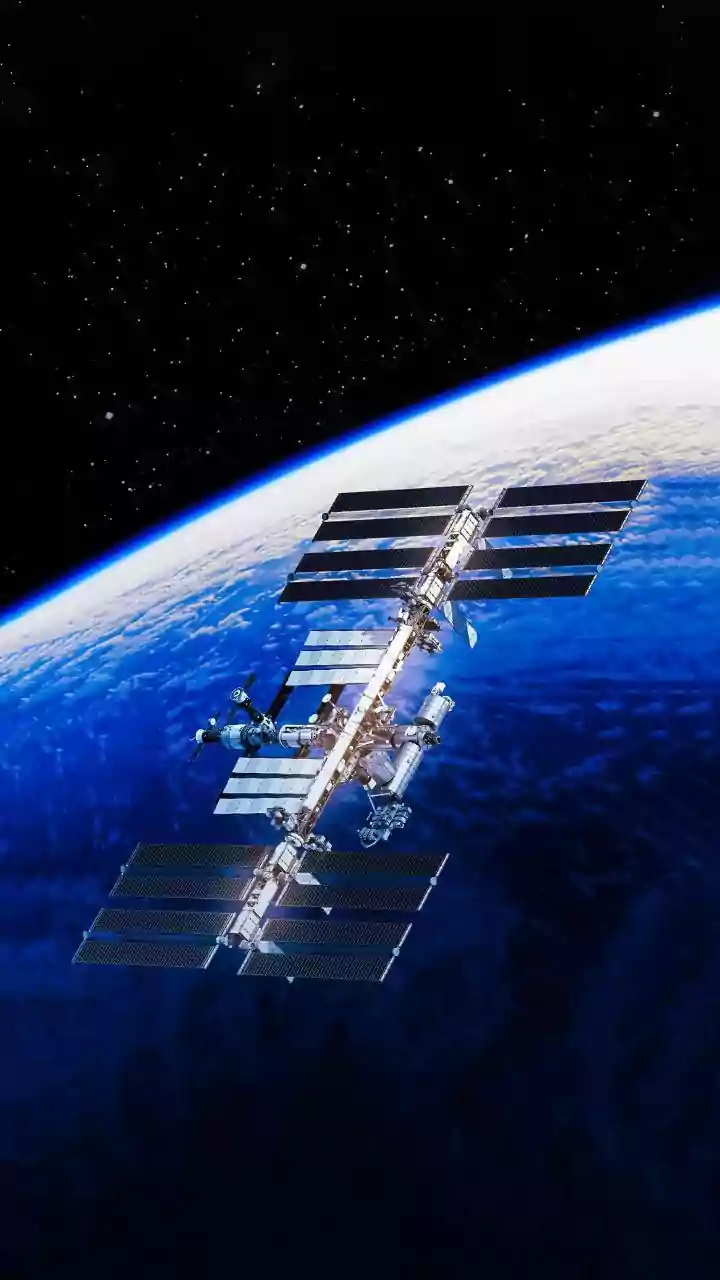
The current diet for astronauts on the International Space Station (ISS) is a marvel of food science, designed to be safe, nutritious, and long-lasting without refrigeration. It includes a mix of thermostabilized, rehydratable, and irradiated foods, with over 200 items astronauts can choose from to create their own menus. Occasional resupply missions even bring precious fresh fruits and vegetables. While this system works for missions in low Earth orbit, it has limitations for a multi-year trip to Mars. Pre-packaged foods suffer from nutrient degradation over time, meaning vitamins can lose their potency during a long voyage. Furthermore, there is the issue of 'menu fatigue'—the psychological weariness of eating the same types of processed food for years, which can lead to astronauts not consuming enough calories to stay healthy. For a Mars mission with no chance of resupply, a more robust and sustainable solution is needed.
The Dawn of Personalized Space Nutrition
This is where the concept of tailored diets comes in. The idea is to move from a one-size-fits-all food system to a personalized approach that addresses each astronaut's unique physiological needs. Researchers are exploring how an individual's genetics, metabolism, and even their gut microbiome respond differently to the stresses of space. By collecting data from astronauts through blood, urine, and saliva samples before, during, and after missions, scientists can identify specific nutritional deficiencies or risks. An astronaut genetically predisposed to bone loss, for example, might receive a diet specifically fortified with extra calcium and vitamin D. Another with a different risk profile might get a diet rich in antioxidants to help counter radiation effects. This represents a shift towards proactive, preventative medicine through highly targeted nutrition.
From Lab to Launchpad
Putting personalized nutrition into practice millions of miles from Earth requires innovation. One promising area is the ability to 'make' nutrients on demand. NASA's BioNutrients project is developing systems that use engineered yeast to produce essential vitamins and other compounds. Dried microbes could be sent on a mission and activated in a bioreactor to create fresh supplements, solving the problem of nutrient degradation. Another avenue is growing fresh food in space. While growing plants in microgravity has its own challenges, such as altered growth patterns and nutrient content, dwarf varieties of crops like wheat, tomatoes, and peas have been successfully cultivated. The psychological benefit of caring for plants and eating fresh food is also a significant factor for crew morale on long missions. Looking further, some researchers are even developing methods to 3D print meals from powdered ingredients or create protein from an astronaut's exhaled carbon dioxide, offering ultimate customization and resource efficiency.