


From Trash to Treasure: The Case for Peels
The concept of 'root-to-stem' or 'peel-to-seed' cooking is gaining traction, and for good reason. It’s a sustainable practice that minimises kitchen waste and maximises the nutritional value you get from your produce. Many vegetable peels, which we unthinkingly
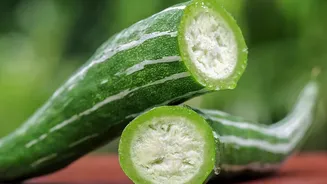
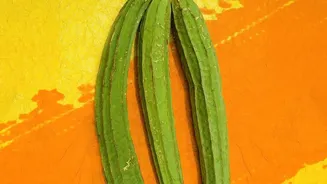
discard, are packed with nutrients. The peel of the bottle gourd, or lauki, is a prime example. It is a fantastic source of dietary fibre, which is essential for good digestion and gut health. Studies have shown that bottle gourd peels have a significantly higher concentration of antioxidants compared to the pulp we typically eat. They are also rich in vital micronutrients like potassium and Vitamin C, making them a worthy addition to your diet.
Are Lauki Peels Safe to Eat?
Absolutely, provided a few simple precautions are taken. Clinical nutritionists confirm that bottle gourd peel is safe to consume as long as the vegetable is fresh and washed properly. The primary concern is potential pesticide residue, which can be mitigated by thorough cleaning or opting for organic produce when possible. Always choose a young, tender lauki, as the skin will be softer and more palatable. If the gourd is old, the skin can become tough. Taste a small piece of the raw gourd; if it's bitter, it should not be eaten, as this indicates the presence of compounds that can be harmful. When prepared correctly, the peel has a pleasant, slightly chewy texture that works wonderfully in dishes like kebabs, chutneys, and stir-fries.
A Step-by-Step Guide to Cleaning the Peels
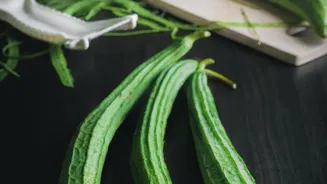
Proper cleaning is the most critical step to ensure your peels are safe and tasty. First, select a fresh, pale green bottle gourd. Wash the entire vegetable thoroughly under running water, using a vegetable brush to gently scrub away any dirt or residue. Instead of a peeler, which takes off a very thin layer, consider using a knife. This allows you to leave a little bit of the flesh attached to the peel, which gives the kebabs a better texture and volume. Once peeled, finely chop or slice the peels. For an extra level of cleaning, you can soak the chopped peels in a bowl of water with a pinch of salt or turmeric for about 10-15 minutes, then rinse again. This helps in removing any remaining impurities.
From Clean Peels to Kebab Mixture
Once cleaned, the peels need a little preparation before they can be mixed into kebabs. The most common method involves softening them. You can boil the finely chopped peels in a small amount of water until they are tender. Some recipes also suggest pressure cooking them, often with a handful of soaked chana dal (split chickpeas), which serves as both a flavour enhancer and a binding agent. After cooking, it's crucial to drain the peels and dal mixture thoroughly and squeeze out any excess water. A wet mixture will result in kebabs that fall apart during frying. The softened peels can then be coarsely ground or mashed to create the perfect base for your kebab mixture.
Simple Lauki Peel Kebab Recipe
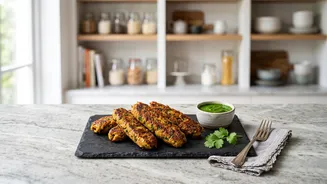
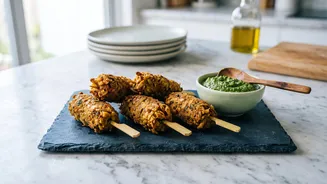
Ready to make your own? Here’s a simple recipe to get you started. In a bowl, combine about two cups of your prepared bottle gourd peels (boiled and mashed) with one boiled and mashed potato or half a cup of roasted gram flour (besan) to act as a binder. To this, add one finely chopped onion, a couple of chopped green chillies, and a handful of fresh coriander. For spices, mix in ginger-garlic paste, salt to taste, and about half a teaspoon each of turmeric powder, red chilli powder, and garam masala. Combine everything well until it forms a firm, dough-like mixture. If it feels too wet, add a little more besan. Shape the mixture into small, flat patties. Heat a bit of oil in a non-stick pan and shallow-fry the kebabs on medium heat until they are golden brown and crisp on both sides.