

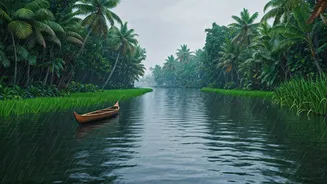
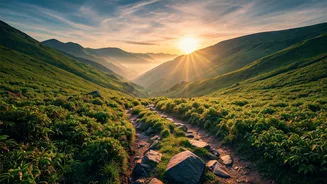



A Landscape Reborn in Green
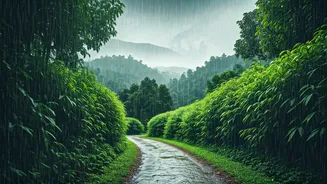
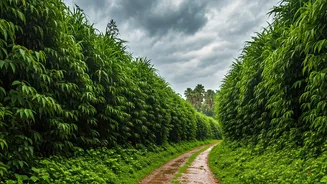
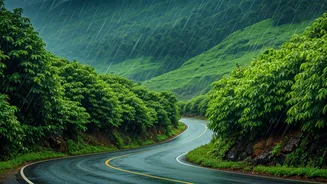
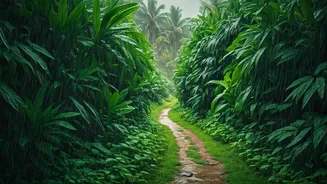
The period from June to September transforms Kerala into a paradise of unimaginable greenery. [3] The first showers wash away the dust of summer, unveiling a landscape so vibrant it feels otherworldly. The Western Ghats, home to hill stations like Munnar
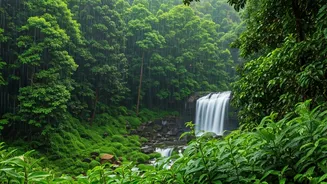
and Wayanad, become shrouded in mist, with tea plantations taking on an emerald hue. [13] Waterfalls such as Athirappilly and Vazhachal, which are mere trickles in drier months, swell into roaring spectacles, offering a powerful display of nature's force. [11, 12] The air becomes heavy with the scent of wet earth and spices from the plantations, and the rhythmic sound of the rain provides a constant, soothing soundtrack to your holiday. [9] This isn't just rain; it's a sensory experience that rejuvenates the land and all who visit. [3, 5]
The Smart Traveller’s Season: Unbeatable Deals
Perhaps the most compelling reason to visit during the monsoon is the economic advantage. This period is considered the off-season, leading to a dramatic drop in prices. [17] Travellers can find discounts of 30-50% on accommodation, from luxury resorts to charming homestays. [21] A premium one-bedroom houseboat in Alleppey, which might cost ₹18,000-₹25,000 per night in the peak winter season, can be booked for ₹8,500-₹13,000 in July. [20] Flight tickets also see a significant reduction; for example, a flight from Mumbai to Kochi can be 40-50% cheaper than its winter peak price. [20] This financial relief, combined with fewer tourists at popular spots, means you get a more private, peaceful, and pampered experience without straining your wallet. [3, 17, 18]
Ayurveda’s Most Potent Hour
According to the ancient science of Ayurveda, the monsoon is the ideal time for rejuvenation therapies. [6, 8] The cool, moist, and dust-free atmosphere during the rainy season helps to open the pores of the skin, making the body more receptive to medicated oils and treatments. [4, 8] Ayurvedic physicians, or 'Vaidyas', have for centuries recommended this period, known as 'Karkidaka Chikitsa', for deep healing and detoxification. [8, 10] The climate is believed to help pacify the body's 'doshas' (elemental energies) that get aggravated during seasonal transitions. [10] Therapies like Panchakarma are considered more effective, offering enhanced relief from joint pain, stress, and other chronic issues. [4, 15] Many certified wellness resorts across Kerala offer specialised monsoon packages for this very reason. [16]
What to Do When the Heavens Open
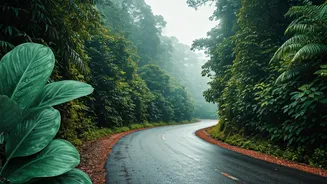
Worried the rain will keep you indoors? Think again. A houseboat cruise on the swollen backwaters of Alleppey or Kumarakom is a magical experience, with the rain dancing on the water’s surface as you drift past lush paddy fields. [5, 9] The drive to hill stations like Munnar or Ponmudi through winding, mist-covered roads is an adventure in itself. [2] You can explore spice plantations, which are at their most fragrant, or visit a roaring waterfall. [7] For cultural immersion, the monsoon season often coincides with vibrant festivals like Onam (typically August/September), showcasing Kerala's rich traditions through boat races, dance performances, and elaborate feasts. [6, 9] The relative lack of crowds means you can enjoy popular spots like the forts in Bekal or the beaches in Varkala in near-solitude, watching the dramatic monsoon sky meet the sea. [7, 13]