



Tired of the same old meals? Rediscover India's treasure trove of ancient grains. These humble powerhouses are not only affordable and packed with nutrition, but they can also be incredibly delicious with a little help from your spice box.
The Magic in Your Masala Dabba
Before you rush
out to buy exotic ingredients, take a look inside your own kitchen. The secret to transforming grains from bland to brilliant often lies in the everyday spices you already own. Cumin seeds, mustard seeds, turmeric, coriander, and a pinch of asafoetida (hing) are the foundational blocks of flavour in Indian cooking. Learning how to use them is the first step. The simplest technique is the 'tadka' or tempering: blooming whole spices in hot ghee or oil until they release their aromatic oils. This single step, which takes less than a minute, can add incredible depth to a simple bowl of cooked grains.
The Versatile Millet Family
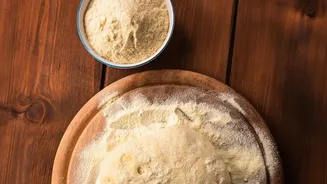
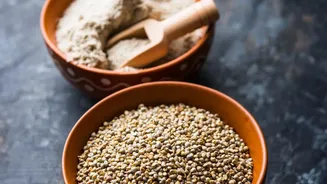
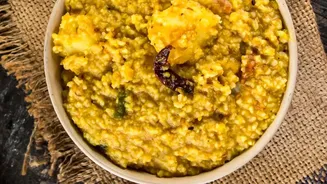
Millets like jowar (sorghum), bajra (pearl millet), and ragi (finger millet) were staples in India for centuries for good reason. They are hardy, nutritious, and naturally gluten-free. Jowar, with its mild, neutral taste, is a great starting point. Try making a jowar upma by first tempering mustard seeds, curry leaves, and green chillies. Bajra has a bolder, earthy flavour that stands up to robust spices like ajwain, garlic, and cumin, making it perfect for a hearty winter khichdi. Ragi, known for its high calcium content, has a nutty taste that works well in both sweet and savoury dishes. A simple ragi porridge can be made savoury with a cumin and onion tadka or sweet with a dash of cardamom and jaggery.
Embracing Amaranth and Quinoa
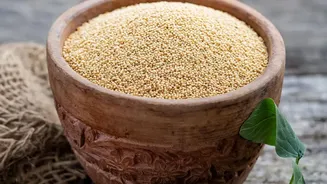
Though technically seeds, amaranth (rajgira) and quinoa are cooked and eaten like grains and have become popular for their high protein content. Amaranth, a traditional fasting food in India, cooks into a creamy, porridge-like consistency. It pairs beautifully with warmer spices like cinnamon and cardamom for a nourishing breakfast. Quinoa, while not native to India, has been embraced for its versatility. It has a mild, slightly nutty flavour and a fluffy texture when cooked. Treat it like rice and make a quick pulao by sautéing onions, ginger, and garlic, then adding turmeric, cumin, and garam masala before cooking the quinoa.
Simple Techniques to Unlock Flavour
Beyond the tadka, a few other simple methods can elevate your grains. Toasting grains like quinoa or millet in a dry pan for a few minutes before adding water can enhance their natural nutty flavour. Cooking the grains in vegetable or chicken broth instead of water is an instant and effortless way to infuse them with a deeper, more savoury taste from within. And never underestimate the power of finishing touches. A squeeze of lemon or lime juice, a sprinkle of chaat masala, or a garnish of fresh coriander can brighten up the entire dish just before serving.
Creating Your Own All-Purpose Blends
For busy weeknights, having a pre-mixed spice blend on hand is a game-changer. You don’t need a complicated recipe. A simple 'everyday' blend can be made by mixing equal parts cumin powder, coriander powder, and turmeric powder, with a smaller amount of red chilli powder to taste. This can be sprinkled into the cooking water or tossed with the cooked grains along with a little salt. For a slightly more complex flavour, try dry roasting whole cumin and coriander seeds until fragrant, then grinding them. This simple step amplifies their flavour, giving you more impact from a smaller amount of spice.