


More Than Just a Byproduct
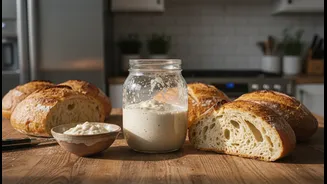
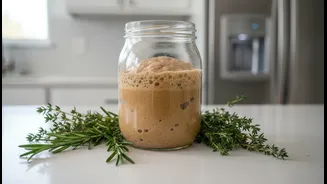
Anyone who maintains a sourdough starter knows the daily ritual: remove a portion before you feed it fresh flour and water. This removed portion is the 'discard'. For a long time, it was seen as a problematic waste product. But for a new generation of
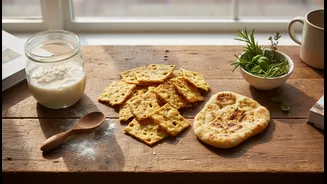
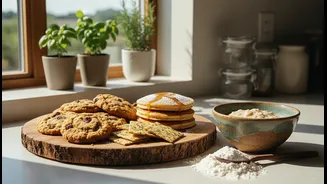
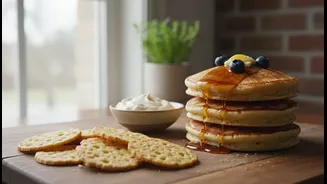
home cooks, it's an ingredient brimming with potential. This shift in perspective is driven by a blend of conscious consumption and culinary curiosity. Instead of being thrown out, the discard—a tangy, fermented mix of flour and water—is being transformed into everything from pancakes and crackers to pizza bases.
A Modern Take on Old Wisdom
The principle of using every last scrap is deeply rooted in Indian culinary traditions. Grandmothers have long turned vegetable peels into chutneys, stale rotis into snacks, and leftover rice into the next day's delicious meal. The zero-waste movement isn't a new invention here; it's a return to form. For many Indian millennials, using sourdough discard feels like a natural extension of this ethos. It connects a global baking trend with the ingrained cultural value of not wasting food, reframing thriftiness as a smart, sustainable choice for the modern, eco-conscious household.
A Canvas for Indian Flavours
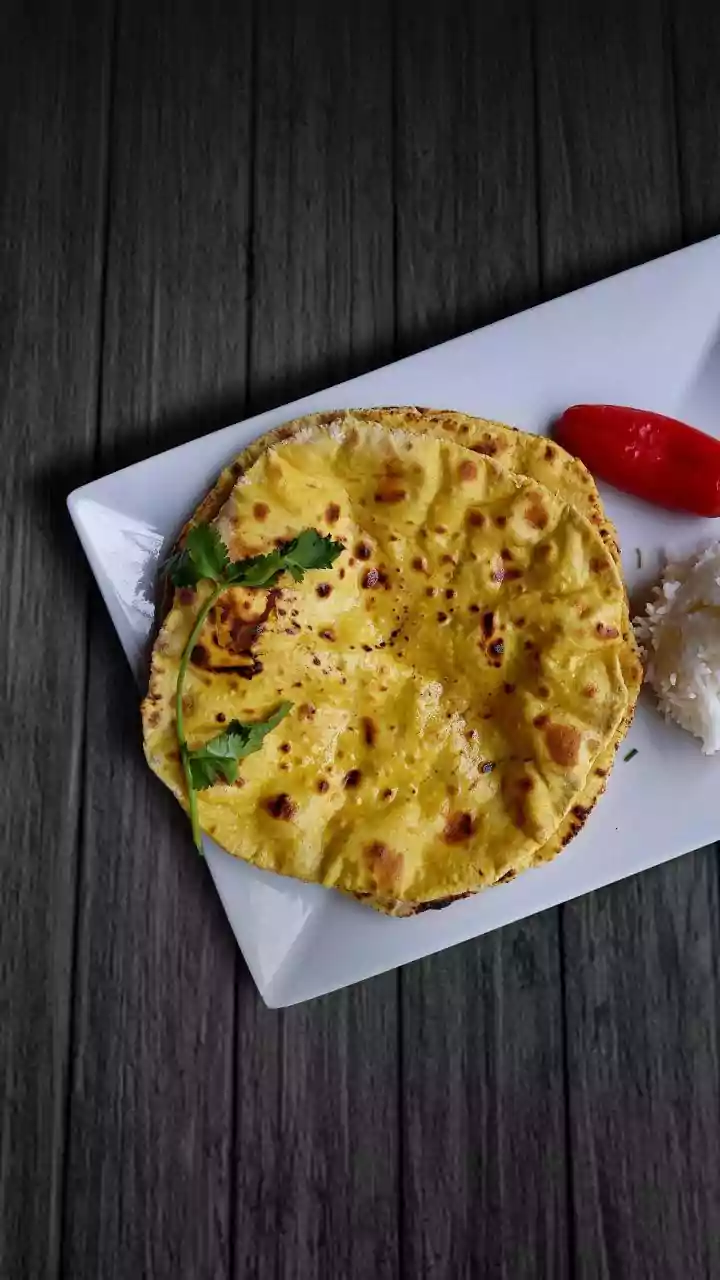
Perhaps the most exciting part of this trend is how brilliantly sourdough discard has been adapted to Indian cuisine. Its inherent tanginess complements the flavour profiles of many traditional dishes. Home cooks are ingeniously adding it to dosa and uttapam batters for a softer texture and complex taste, or kneading it into dough for kulchas and rotis. There are recipes for sourdough discard naan, savoury cheelas, and even masala parathas. This fusion isn't forced; it feels like a natural evolution, enhancing familiar flavours with the unique character of fermented dough.
The Allure of Health and Flavour
Sourdough bread is often seen as a healthier option than its commercially yeasted counterparts because the long fermentation process can make it easier to digest. Some of this health halo extends to the discard. While cooking can reduce some of the probiotic benefits, the discard is still a source of fermented goodness that adds a complex, tangy flavour to dishes without extra effort. This unique taste, similar to buttermilk, can elevate a simple recipe, providing a depth that's hard to replicate. For health-conscious millennials, it's a win-win: reducing waste while adding flavour and perceived nutritional benefits.
Driven by Community and Creativity
Like the sourdough trend itself, the popularity of discard recipes has been fuelled by social media. Platforms like Instagram and YouTube are filled with visually appealing ideas for using up the leftover starter, turning a solitary kitchen activity into a shared community experience. Seeing others transform their discard into golden-brown crackers or fluffy pancakes inspires creativity and reduces the intimidation factor. It’s a trend that’s as much about sharing knowledge and celebrating resourcefulness as it is about the food itself, creating a sense of connection among bakers who are all tackling the same delicious challenge.