



The monsoon brings welcome relief, but the soaring humidity creates a hidden danger for your beloved desert plants. Here’s how to protect your succulents and cacti from the perils of overwatering when the air itself is full of moisture.
Why Humidity is the Real Culprit
Desert plants like
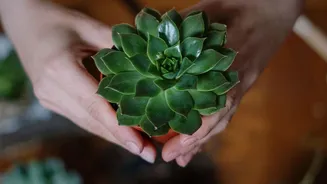
succulents and cacti are masters of survival, adapted to store water in their leaves and stems for long, dry spells. Their downfall is rarely neglect, but rather too much moisture. During the Indian monsoon, the primary threat isn't just the rain itself, but the consistently high humidity. When the air is saturated with water vapour, two things happen. First, water evaporates from the soil at a much slower rate. Second, the plant's own process of releasing water vapour through its leaves, called transpiration, slows down significantly. With less water leaving the soil and the plant, its need to draw water up from the roots decreases dramatically. Continuing to water on a normal schedule in such conditions is the equivalent of overwatering, even if the amounts are small.
Spotting the Danger Signs of Overwatering
The signs of overwatering in a humid climate can be subtle at first. A healthy succulent's leaves are firm and plump. The earliest warning signs include leaves that feel soft, mushy, or squishy to the touch. You might also notice lower leaves turning yellow or translucent, and they may fall off at the slightest touch. In more advanced stages, you may see black or brown spots on the leaves or stem, which are signs of fungal infection or rot setting in. Another telltale sign is the soil itself; if it remains damp for days on end or gives off a sour, musty odour, the roots are suffocating. A wilting appearance can also, confusingly, be a sign of overwatering, as the stressed and damaged root cells can no longer support the plant.
Rethink Your Watering Schedule
The single most important change to make during the monsoon is to abandon a fixed watering calendar. Instead of watering every week, adopt the 'soak and dry' method, but be far more patient. Before even thinking about watering, physically check the soil. Insert your finger or a dry stick about two inches deep. If you feel any moisture at all, do not water. During peak monsoon, many gardeners find they only need to water their succulents once every three to four weeks, or even less. When you do water, do so thoroughly until it runs out of the drainage hole, but make sure the plant never sits in a tray of excess water.
The Critical Role of Soil and Drainage
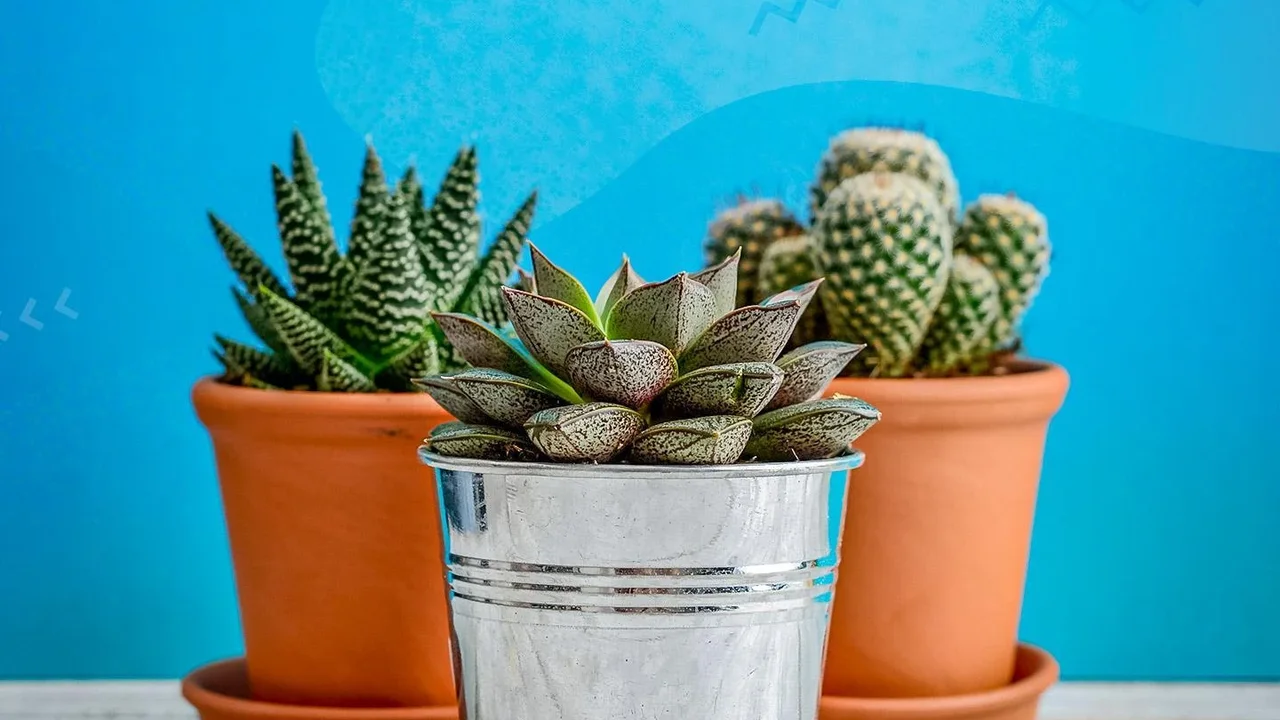
Monsoon is the season when the quality of your potting mix is truly tested. Standard garden soil or even regular potting soil holds too much moisture for succulents and can lead to fatal root rot. Your desert plants need a gritty, fast-draining soil mix. You can buy a pre-made cactus and succulent mix or create your own by adding materials like perlite, pumice, or coarse sand to your soil to improve its drainage and aeration. Just as important is the pot itself. Always use containers with at least one drainage hole. Terracotta pots are an excellent choice as their porous nature allows moisture to evaporate through the sides, helping the soil dry out faster.
Location, Airflow, and Protection
Stagnant, humid air is a primary ally of rot. Improving air circulation around your plants is crucial. If possible, move your plants to a covered but bright and airy spot, like a balcony or patio with an overhang, to protect them from direct rainfall. Avoid clustering pots tightly together; give them space to breathe. If your plants are indoors, placing them near a window you can open or even using a small fan on a low setting for a few hours a day can make a huge difference. Removing dead leaves from the plant and the soil surface is also important, as decaying organic matter holds moisture and can encourage fungal growth.