



The Starch Deception
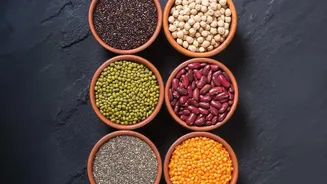
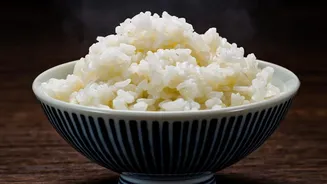
One of the most common reasons a dish 'dries out' is because of its starchy ingredients. Think about potatoes in a curry, lentils in a dal, or even rice in a khichdi. As these ingredients cook, their starch granules absorb a tremendous amount of water,
swelling up and thickening the surrounding liquid. What feels like a dry dish is often just a dish where the starches haven't finished their work, or have done it too well. Instead of adding more water immediately, which can make the final dish bland, give it time. A lower flame and a bit more patience might be all that is needed. If the dish is truly too thick at the end, then you can add a splash of hot water or broth, but often the 'dryness' is just a phase in the cooking process.
The Protein Problem
When it comes to meat and poultry, dryness is almost always a result of overcooking. As meat cooks, its proteins contract and squeeze out moisture. It's like wringing out a sponge. Adding liquid to a pot with dry, tough chicken won't magically make the chicken moist again. The muscle fibres have already tightened and expelled their internal juices; pouring water over them will just create a watery sauce around a dry piece of meat. The solution here is preventative: control your heat. For lean cuts like chicken breast, this means cooking them for less time or at a lower temperature. For tougher cuts with lots of connective tissue, like mutton for a rogan josh, the solution is low and slow cooking, which allows that tissue to break down into gelatin, creating a succulent texture even though the muscle fibres themselves have shed their moisture.
The Fat and Acid Solution
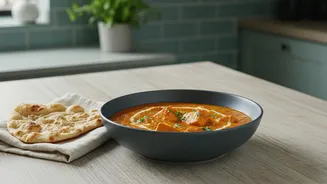
Sometimes a dish doesn’t need more water; it needs a different kind of moisture. This is where fat and acid come in. Fat coats the tongue and provides a sense of richness and lubrication that we perceive as moisture. A dollop of ghee, a swirl of coconut milk, or a spoonful of yogurt can transform a dish that tastes flat and dry into one that feels rich and succulent, without adding any 'water'. Acid, on the other hand, cuts through richness and brightens all the other flavours. A squeeze of lime or a dash of vinegar can make a heavy, one-note dish feel lighter and more vibrant. This brightness can trick our palate into perceiving the dish as less 'dry' and more lively. If your bhuna masala feels a little flat, before adding water, try adding a spoonful of yogurt or a squeeze of lemon.
Diagnose Before You Dilute
The next time a dish seems dry, take a moment to be a detective. Is it a starchy curry that’s still thickening? Let it be. Are the pieces of paneer or chicken tough? You likely overcooked them; make a note on heat management for next time. Does the overall flavour feel dull or heavy? It might not be a lack of water, but a lack of fat for richness or acid for brightness. A classic example is a pan sauce that has evaporated too much. The solution isn't to pour in a cup of water, but to deglaze the pan with a small amount of flavourful liquid—like wine or broth—to scrape up the flavourful browned bits from the bottom. The goal is to identify the root cause of the dryness and apply the correct fix. This is the difference between simply following a recipe and truly understanding how to cook.