








A Long-Awaited Connection
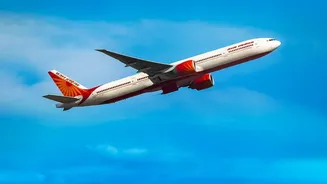
After a hiatus of several years, direct air links between India and China are being steadily restored. The latest milestone is the launch of daily direct flights between New Delhi and Guangzhou by China Southern Airlines, starting September 21, 2026.
This follows the resumption of services by other carriers, like IndiGo's routes from Kolkata and Delhi to Guangzhou which began in late 2025. For years, travellers had to rely on inconvenient and time-consuming connecting flights through hubs like Hong Kong, Singapore, or Bangkok. The new direct route slashes travel time to around five and a half hours, making the journey significantly more efficient for business and leisure travellers alike.
Why Guangzhou Matters for India
Guangzhou is not just any city; it's a powerhouse of Chinese manufacturing and trade, often called the "Commercial Capital of Southern China". As the capital of Guangdong province, it is a crucial hub in the Pearl River Delta, one of the world's most dynamic economic regions. The city is famous for hosting the Canton Fair, the largest trade fair in China, which attracts hundreds of Indian businesses annually looking to source products, find suppliers, and connect with global buyers. For India, which relies on China for a vast array of goods including electronics, machinery, and pharmaceutical ingredients, a direct link to this industrial heartland is a massive logistical advantage.
The Economic Ripple Effect
The resumption of direct flights is expected to provide a significant boost to bilateral trade, which stood at nearly US$136 billion in 2025 despite political tensions. Easier travel lowers costs and shortens logistics times, benefiting key sectors like electronics, pharmaceuticals, and automotive parts. For Indian businesses, direct access means quicker turnarounds for sourcing components and easier face-to-face negotiations with suppliers. This improved connectivity is seen by industry leaders as a crucial confidence-building measure that could improve the overall trade atmosphere and encourage further investment and joint ventures.
More Than Just Business
Beyond the corporate world, the renewed connectivity serves thousands of students, families, and tourists. Before the pandemic, nearly 500 flights a month operated between the two nations, indicating a strong demand for people-to-people exchange. Direct flights make it easier for Indian students to access Chinese universities and for tourists from both countries to explore cultural and heritage sites. This revival of travel is a crucial step in rebuilding the cultural and social bridges that have been strained in recent years, fostering a better understanding between the citizens of the world's two most populous countries.
A Cautious Step Towards Normalcy
While the resumption of flights is a positive development, it's viewed as a pragmatic step driven by economic necessity rather than a complete resolution of underlying geopolitical frictions. Relations between New Delhi and Beijing have been tense, and the restoration of air links is one of several small, cautious steps toward normalizing ties. The move signals a willingness from both sides to pursue constructive engagement where mutual interests align, particularly in trade. Analysts note that while trust won't be rebuilt overnight, the open air corridor provides a vital channel for communication and cooperation, paving the way for more stable, if not fully restored, relations.