


Deconstructing the Trend
So, what exactly is this mouthful of a drink? Let's break it down. 'Single-estate' means the tea leaves come from one specific garden, ensuring a unique flavour profile influenced by its specific soil and climate—much like single-origin coffee or fine
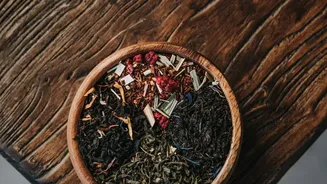
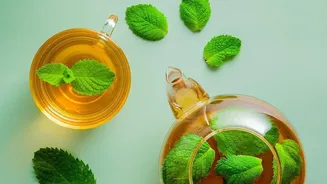
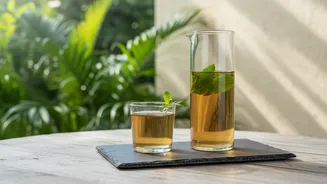
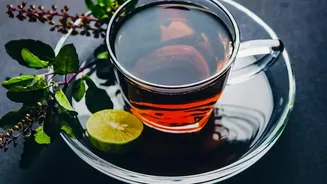
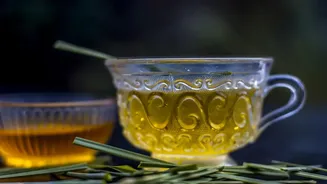
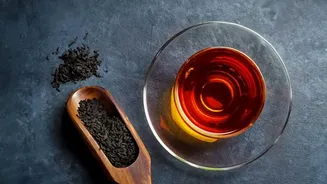
wine. 'Orthodox' refers to the traditional, artisanal method of processing whole tea leaves by hand, a slower practice compared to the mass-produced CTC (Crush, Tear, Curl) tea used in most everyday chai. Then comes the 'cold brew' method. Instead of heat, tea leaves are steeped in cold water for several hours. This slow process extracts less caffeine and fewer tannins, resulting in a smoother, naturally sweeter, and less bitter beverage. Finally, the infusion of 'local botanicals' like hibiscus, tulsi (Holy Basil), rhododendron (buransh), and lemongrass adds a layer of flavour and wellness benefits that are distinctly Indian.
The Search for Healthier Sips
A major driver behind this trend is a collective shift towards healthier living. Urban Indian consumers are increasingly wary of sugary, carbonated drinks and are actively seeking natural alternatives. Cold brew tea fits this demand perfectly. It's naturally low in calories and, because it tastes less bitter, often requires no added sugar. The cold brewing process also helps preserve a higher concentration of antioxidants, which are compounds known for their health benefits. When combined with Ayurvedic and traditional botanicals like stress-relieving tulsi or vitamin C-rich hibiscus, the drink transforms from a simple refreshment into a functional wellness tonic. This aligns with a broader movement where consumers want their food and drinks to offer functional benefits beyond basic nutrition.
A Celebration of Craft and Terroir
In a world of mass production, there's a growing appreciation for authenticity and craftsmanship. The term 'single-estate' guarantees transparency and a direct connection to the source. Consumers are more interested than ever in the story behind their products—where the tea was grown, who picked it, and the unique characteristics of that specific harvest. This focus on 'terroir'—the unique environment of the tea garden—celebrates the diverse flavours of India's famed tea regions, from the muscatel notes of a Darjeeling to the malty strength of an Assam. By choosing single-estate orthodox teas, consumers are not just buying a beverage; they are supporting sustainable practices and preserving the art of traditional tea making.
Reimagining an Age-Old Ritual
While traditional chai remains an undisputed staple of Indian culture, this new wave isn't trying to replace it. Instead, it offers an evolution, attracting a younger, more experimental demographic. Millennials and Gen Z, in particular, are driving the growth of the specialty tea market in India. They are curious consumers who seek novel flavour experiences and modern formats. The cold brew, with its sophisticated, ready-to-drink appeal, fits perfectly into the fast-paced urban lifestyle. It offers a refreshing alternative for hot summer days and serves as a versatile base for non-alcoholic cocktails, making it a staple in trendy cafes and home-brewing experiments alike.
An Explosion of Local Flavours
The infusion of local botanicals is where this trend truly comes alive, creating a sensory experience that is both new and deeply familiar. Brands and cafes are experimenting with a palette of native Indian ingredients. Tangy hibiscus, spicy tulsi, fragrant rose, and earthy rhododendron are being blended to create complex and refreshing flavour profiles. These infusions not only add character to the tea but also tap into a sense of regional pride and natural wellness. From a Kashmiri Kahwa cold brew with notes of saffron and cardamom to a Nilgiri tea infused with lemongrass, the possibilities are endless. This flavour innovation is turning the humble cup of tea into a gourmet experience.