







What Exactly Is Kanji?
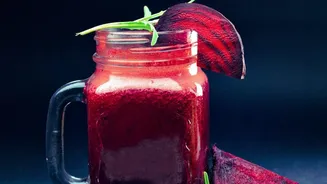
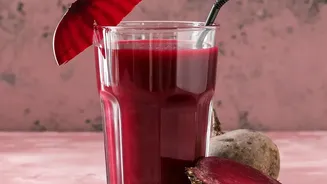
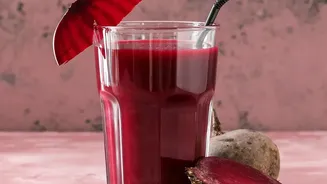
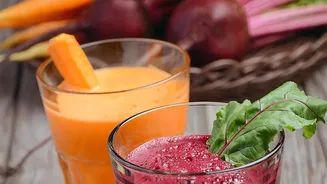
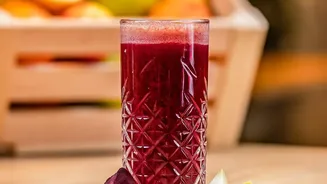
Kanji is a traditional fermented drink, popular for generations in North India, especially during the winter months and the festival of Holi. Its primary ingredient is the 'kali gajar' or black carrot, which gives the drink its characteristic deep purple
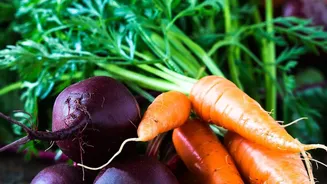
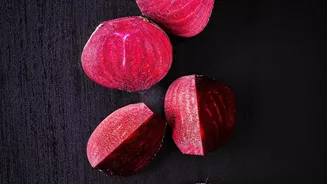
colour. When black carrots aren't in season, a combination of red carrots and beetroot is used to achieve a similar vibrant hue and earthy flavour. The process is simple yet magical: chopped carrots and beets are submerged in water with salt and coarsely ground mustard seeds. This mixture is then left in a glass jar, traditionally in the sun, for several days to ferment, a process driven by the mustard seeds. The result is a savoury, tangy, and pungent drink, teeming with natural probiotics.
A Powerhouse of Health Benefits
The renewed interest in Kanji isn't just about its unique taste; it's deeply rooted in its health benefits. As a naturally fermented beverage, Kanji is a rich source of probiotics, the beneficial bacteria essential for a healthy gut. A healthy gut microbiome is linked to improved digestion, a stronger immune system, and even better skin health. The drink is also packed with antioxidants, thanks to the black carrots and beetroot, which help the body fight inflammation. Low in calories and high in fibre, it aids in hydration and can be a smart addition to a weight management plan. This nutritional profile makes Kanji a formidable wellness tonic, offering a natural way to boost immunity and support overall health.
From Household Staple to Urban Trend
So, why is this age-old drink suddenly resonating with young, urban Indians? The answer lies at the intersection of several modern wellness movements. There is a growing, global shift towards preventive healthcare, with Millennials and Gen Z in India increasingly prioritising their well-being. This generation is actively seeking out natural, functional foods over processed alternatives. Kanji fits this need perfectly. It’s a clean-label, preservative-free drink that aligns with a 'back-to-roots' philosophy, celebrating indigenous ingredients and traditional wisdom. Furthermore, in an age of social media, the drink's stunning colour makes it visually appealing, while its gut-friendly properties are a major talking point in online wellness communities.
The Modern Revival
The Kanji trend is not just happening in home kitchens. Recognizing the growing demand for authentic and healthy beverages, new-age brands are beginning to bottle and market traditional drinks like Kanji, making them convenient for busy urban lifestyles. This revival mirrors a broader trend seen with other fermented products like kombucha and kefir, which have seen explosive growth in Indian cities. Health-conscious consumers are swapping sugary sodas and juices for these functional beverages that offer tangible benefits. Food bloggers and wellness influencers are also playing a significant role, sharing recipes and extolling the virtues of homemade fermentation, encouraging their followers to rediscover these traditional practices.
Making Your Own Kanji at Home
Embracing this trend is surprisingly simple. To make your own Kanji, you'll need about 500 grams of black carrots or a mix of red carrots and one beetroot, washed and cut into finger-length pieces. In a large, clean glass or ceramic jar, combine the vegetables with two litres of water, two tablespoons of coarsely ground mustard seeds, and salt to taste (black salt is often preferred). Cover the mouth of the jar with a muslin cloth and leave it in a sunny spot for three to five days, stirring it once daily with a clean spoon. You'll know it's ready when it develops a tangy, pungent flavour. Once fermented, you can strain the liquid, refrigerate it, and enjoy it chilled. The pickled vegetables left behind are a delicious, tangy snack in their own right.